
sciencedaily.com
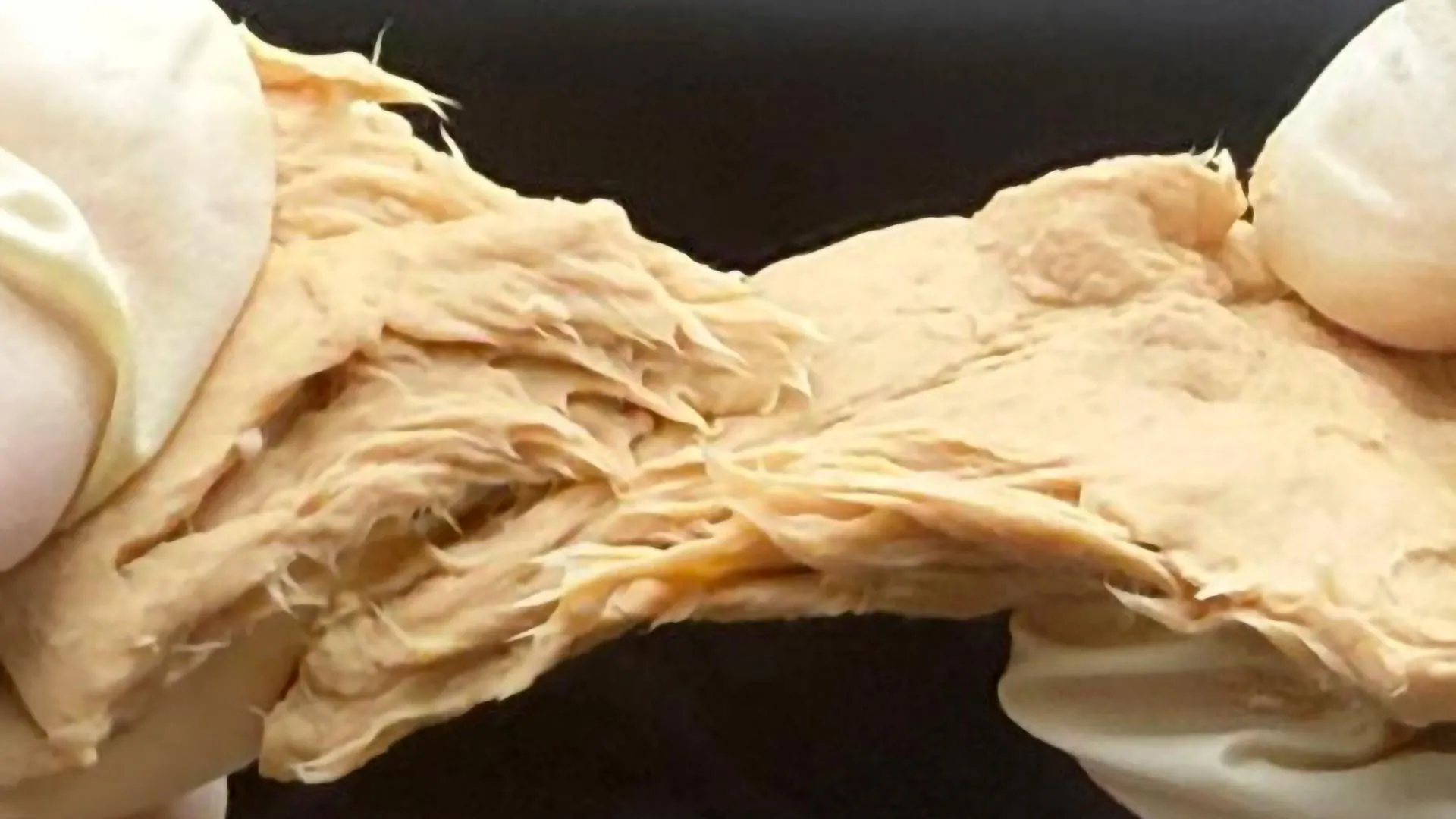
This engineered fungus cuts emissions and tastes like meat
A recent study published November 19 in Trends in Biotechnology reports that scientists used the gen ...View More
This engineered fungus cuts emissions and tastes like meat
A recent study published November 19 in Trends in Biotechnology reports that scientists used the gen ...View More
This engineered fungus cuts emissions and tastes like meat
A recent study published November 19 in Trends in Biotechnology reports that scientists used the gen ...View More
This engineered fungus cuts emissions and tastes like meat
A recent study published November 19 in Trends in Biotechnology reports that scientists used the gen ...View More
This engineered fungus cuts emissions and tastes like meat
A recent study published November 19 in Trends in Biotechnology reports that scientists used the gen ...View More
This engineered fungus cuts emissions and tastes like meat
A recent study published November 19 in Trends in Biotechnology reports that scientists used the gen ...View More
This engineered fungus cuts emissions and tastes like meat
A recent study published November 19 in Trends in Biotechnology reports that scientists used the gen ...View More
This engineered fungus cuts emissions and tastes like meat
A recent study published November 19 in Trends in Biotechnology reports that scientists used the gen ...View More
This engineered fungus cuts emissions and tastes like meat
A recent study published November 19 in Trends in Biotechnology reports that scientists used the gen ...View More
This engineered fungus cuts emissions and tastes like meat
A recent study published November 19 in Trends in Biotechnology reports that scientists used the gen ...View More