
sciencedaily.com
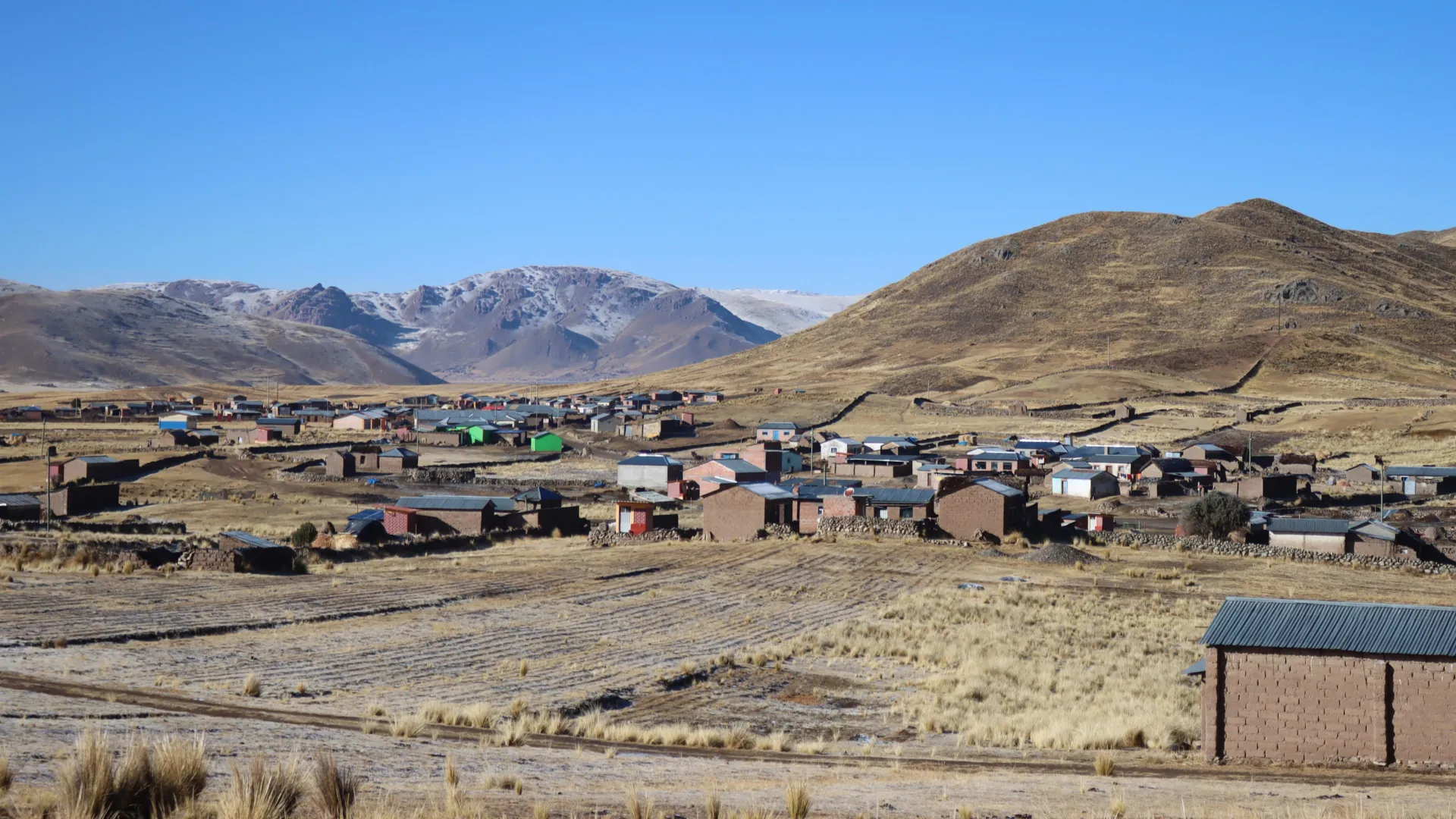
Farming without famine: Ancient Andean innovation rewrites agricultural origins
In the Andes, the rise of agriculture to replace foraging was not the result of hardship and resourc ...View More

This team tried to cross 140 miles of treacherous ocean like stone-age humans—and it worked
When and where the earliest modern human populations migrated and settled in East Asia are relativel ...View More
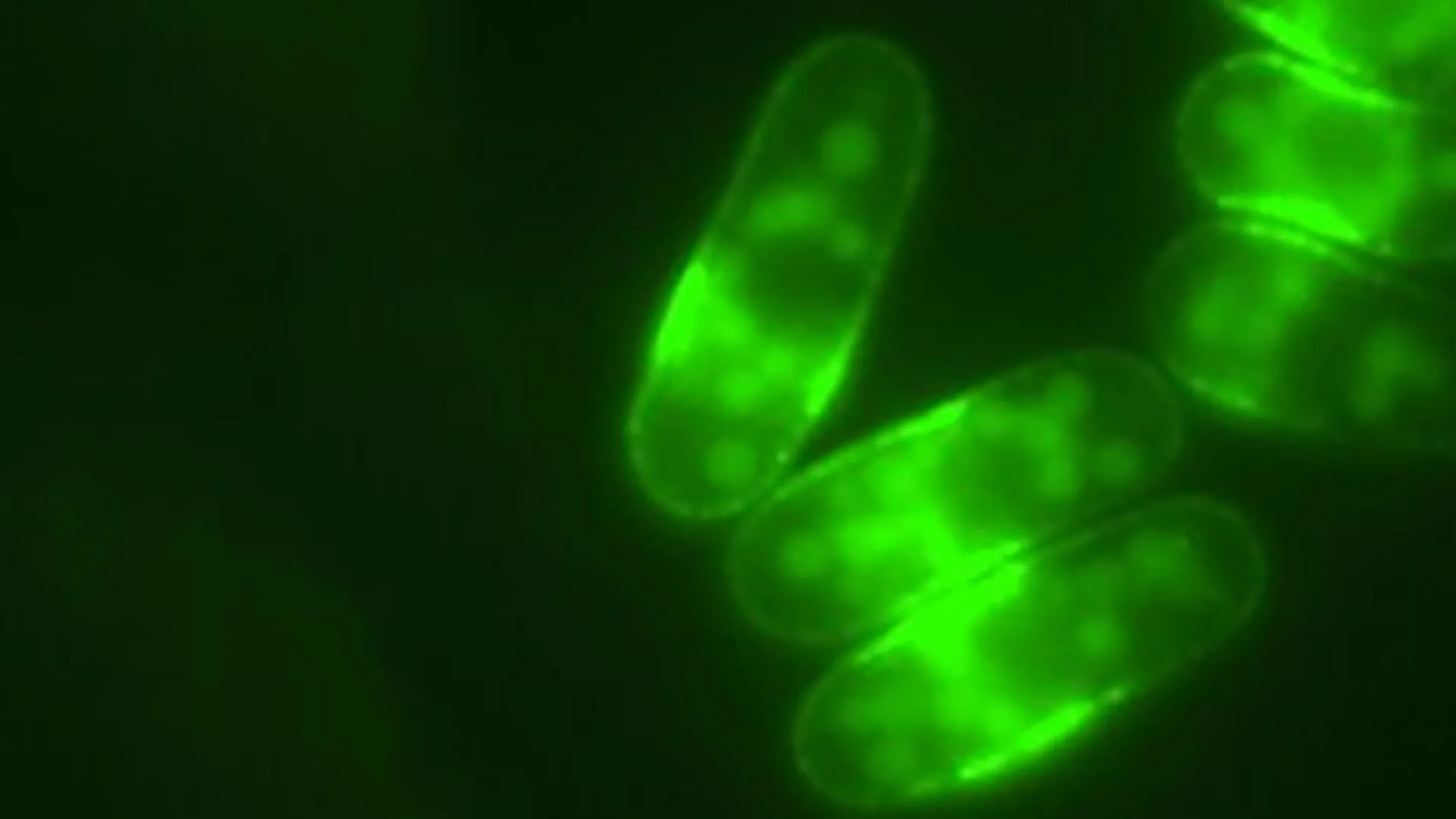
Scientists reveal your morning coffee flips an ancient longevity switch
A new study from the Cellular Ageing and Senescence laboratory at Queen Mary University of Lond ...View More

Ancient carbon ‘burps’ caused ocean oxygen crashes — and we’re repeating the mistake
New research from the University of California, Davis, the Chinese Academy of Sciences and Texas A&a ...View More
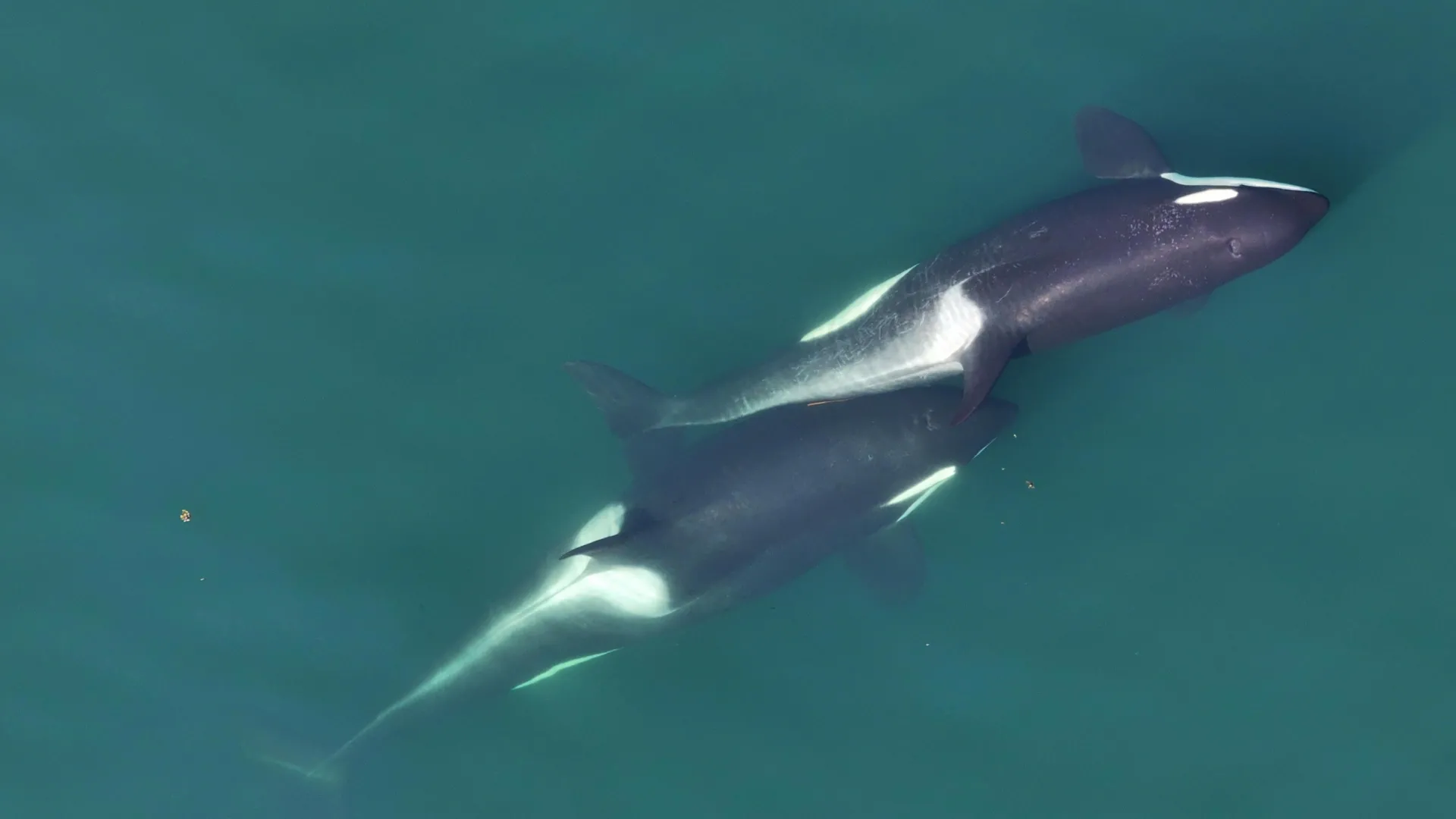
Killer whales use seaweed tools in never-before-seen grooming behavior
Primates, birds, and elephants are all known to make tools, but examples of tool use among marine an ...View More
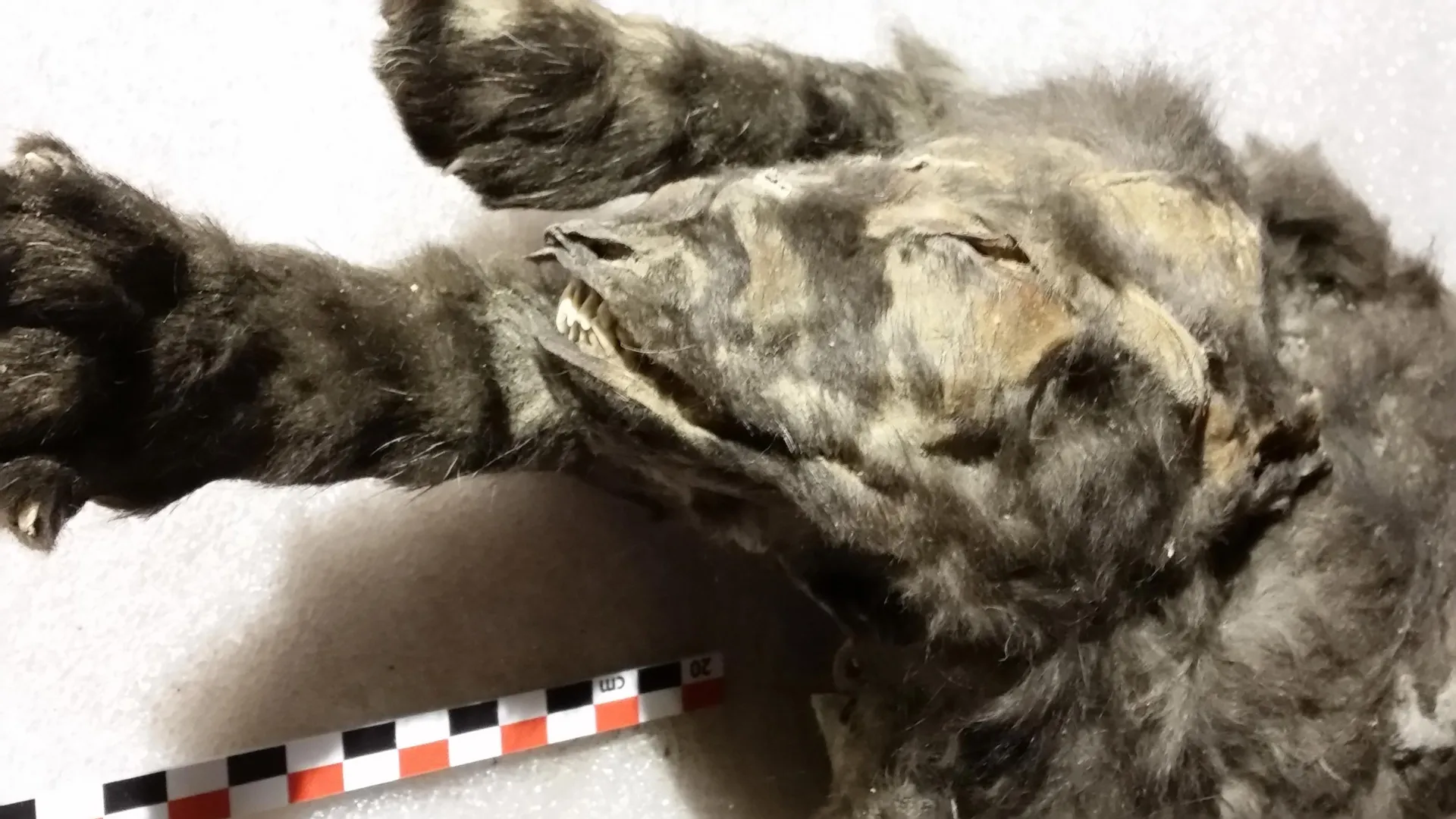
These frozen wolf cubs ate a woolly rhino—and changed what we know about dogs
New analysis of the remains of two 'puppies' dating back more than 14,000 years ago has shown that t ...View More
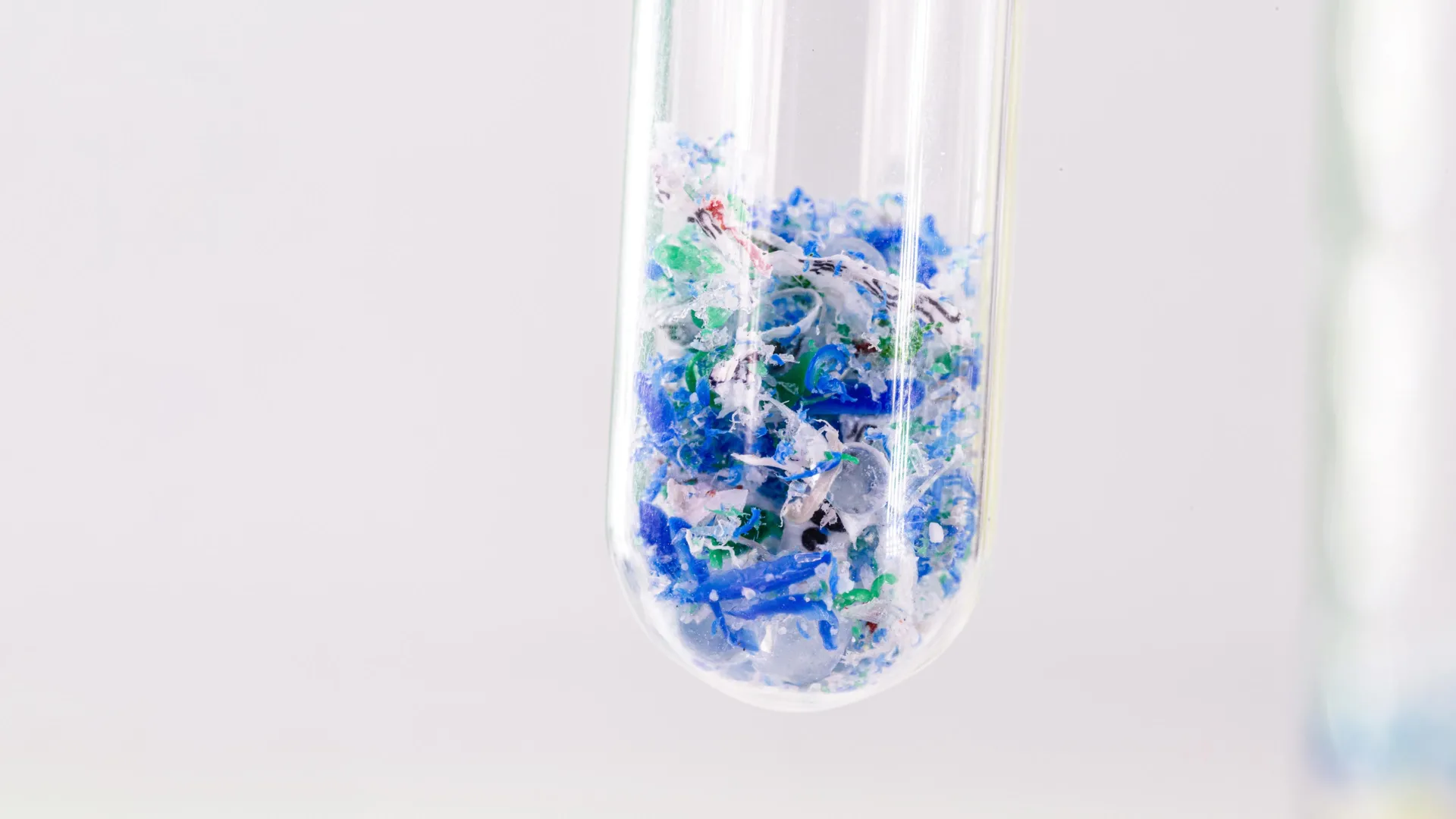
Recycled plastic is a toxic cocktail: Over 80 chemicals found in a single pellet
A single pellet of recycled plastic can contain over 80 different chemicals. A new study with resear ...View More

Half of today’s jobs could vanish—Here’s how smart countries are future-proofing workers
Artificial intelligence is spreading into many aspects of life, from communications and advertising ...View More

Zapping aging cells: The fast, label-free test that could transform research
Researchers from Tokyo Metropolitan University have created a new way of telling "aged" human cells ...View More
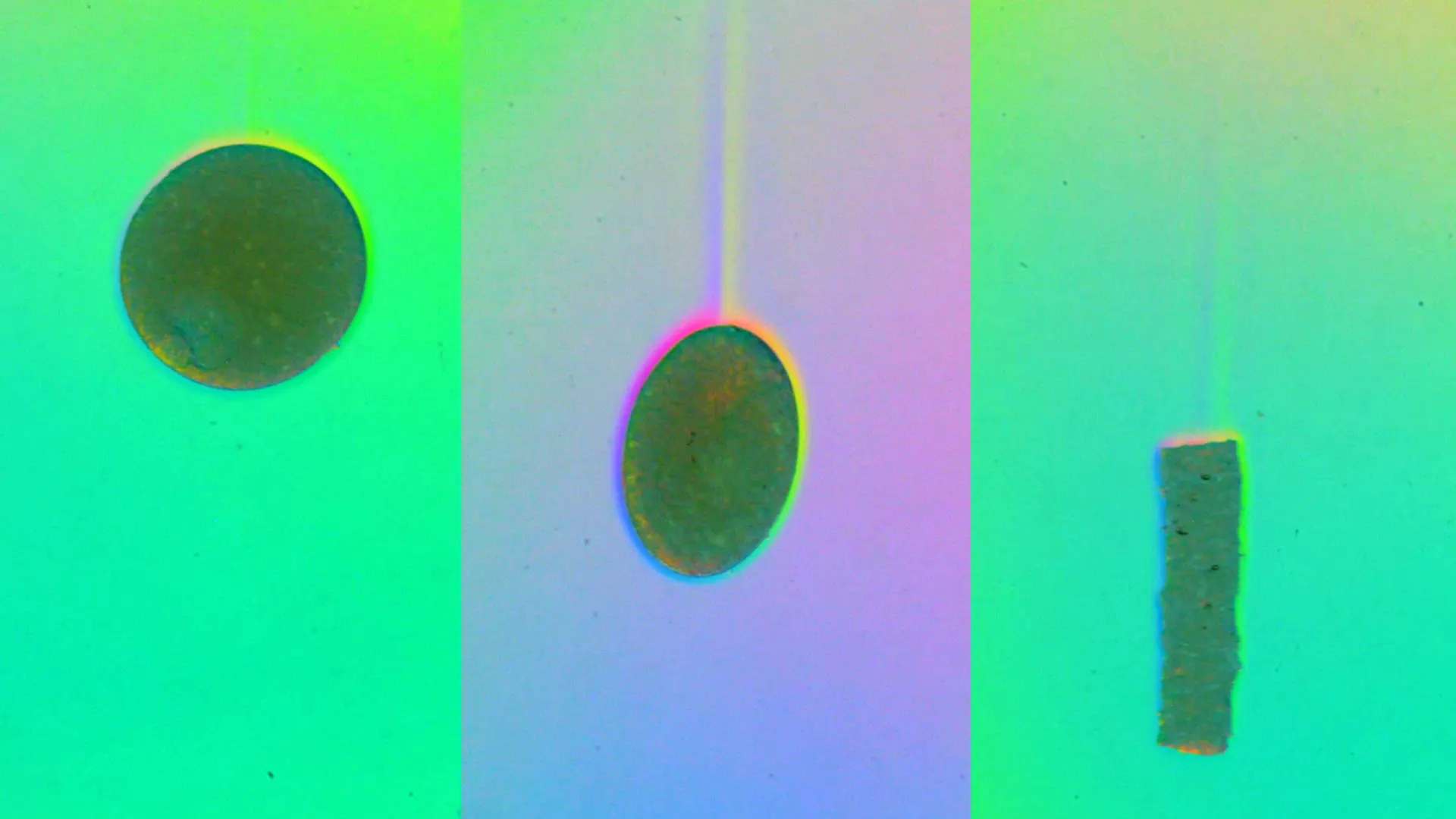
Gravity, flipped: How tiny, porous particles sink faster in ocean snowstorms
The deep ocean can often look like a real-life snow globe. As organic particles from plant and anima ...View More