
If you’ve ever wanted to enjoy a bird's-eye view of the world, drones are the easiest way to soar above the Earth. Most drones are all about the cameras, and are designed for capturing sublime aerial photos and videos, but many models have unique features and characteristics that make them suitable for different uses.
If you’d like to capture high-quality photos and videos of wildlife, landscapes, seascapes or archaeological sites, a camera drone is best for you. Want to capture yourself? A selfie drone will have you covered. If you’re looking for the most immersive flight experience and video possible, look no further than an FPV drone. Whatever your drone ambitions, we have you covered.
We put drones through rigorous testing during which our experts test all features and functionality in real-world situations. Of course, the specs are important, but we also look at how drones perform in a range of situations to assess their suitability for all types of drone pilots.
The quick list
The best drones we recommend in 2025
Why you can trust Live Science Our expert reviewers spend hours testing and comparing products and services so you can choose the best ones for you. Find out more about how we test.
Best overall
Image 1 of 5
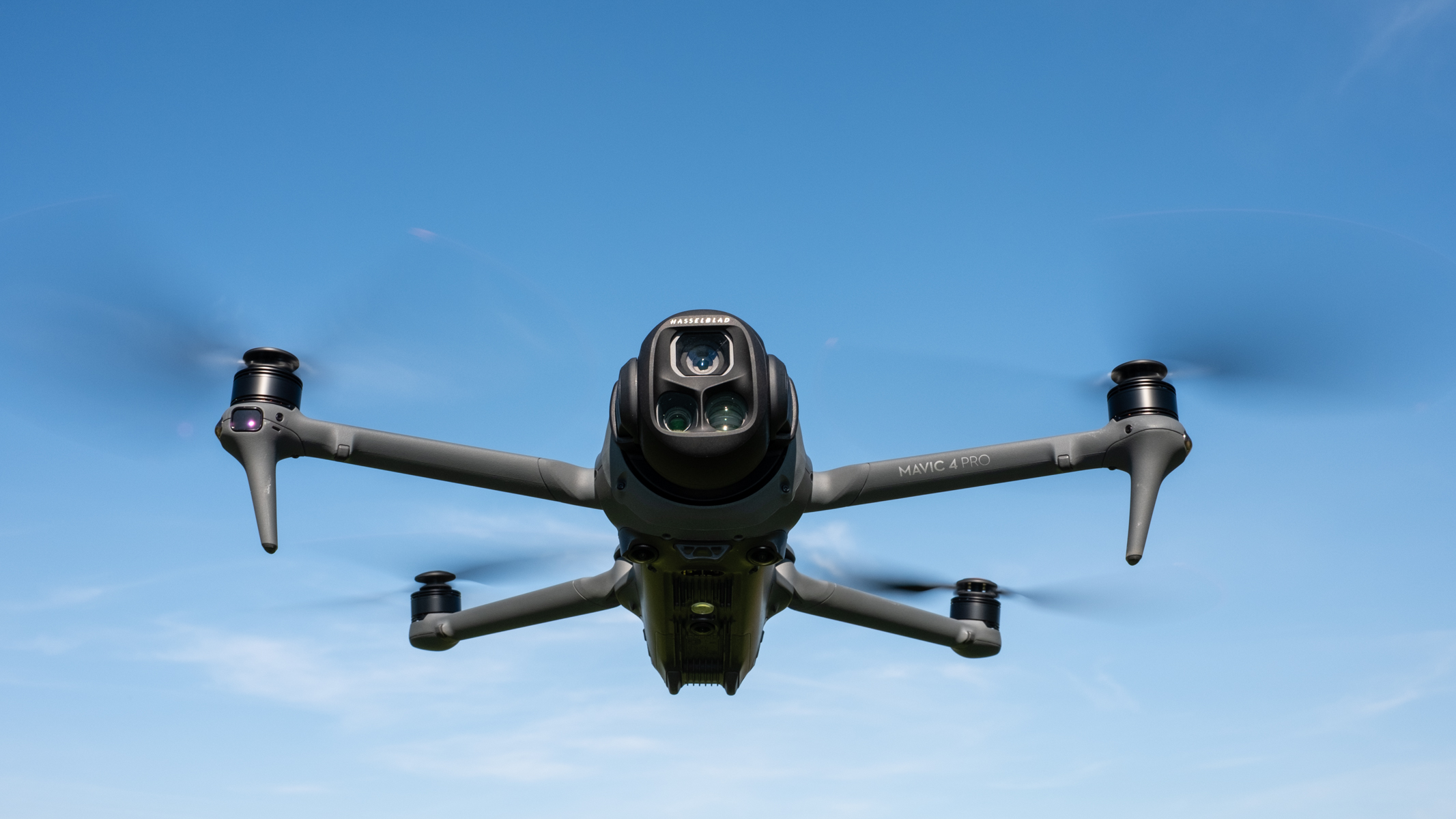
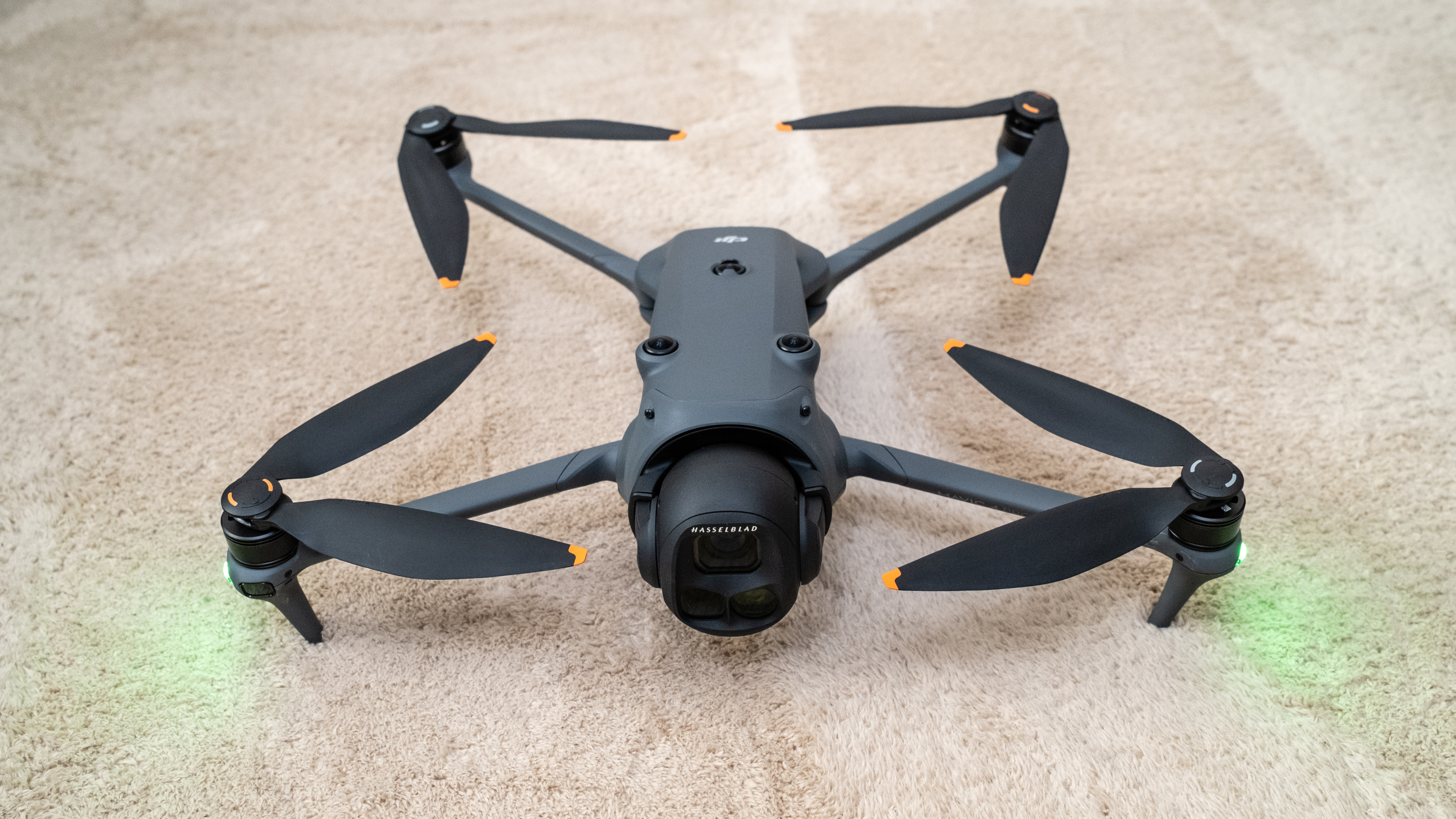
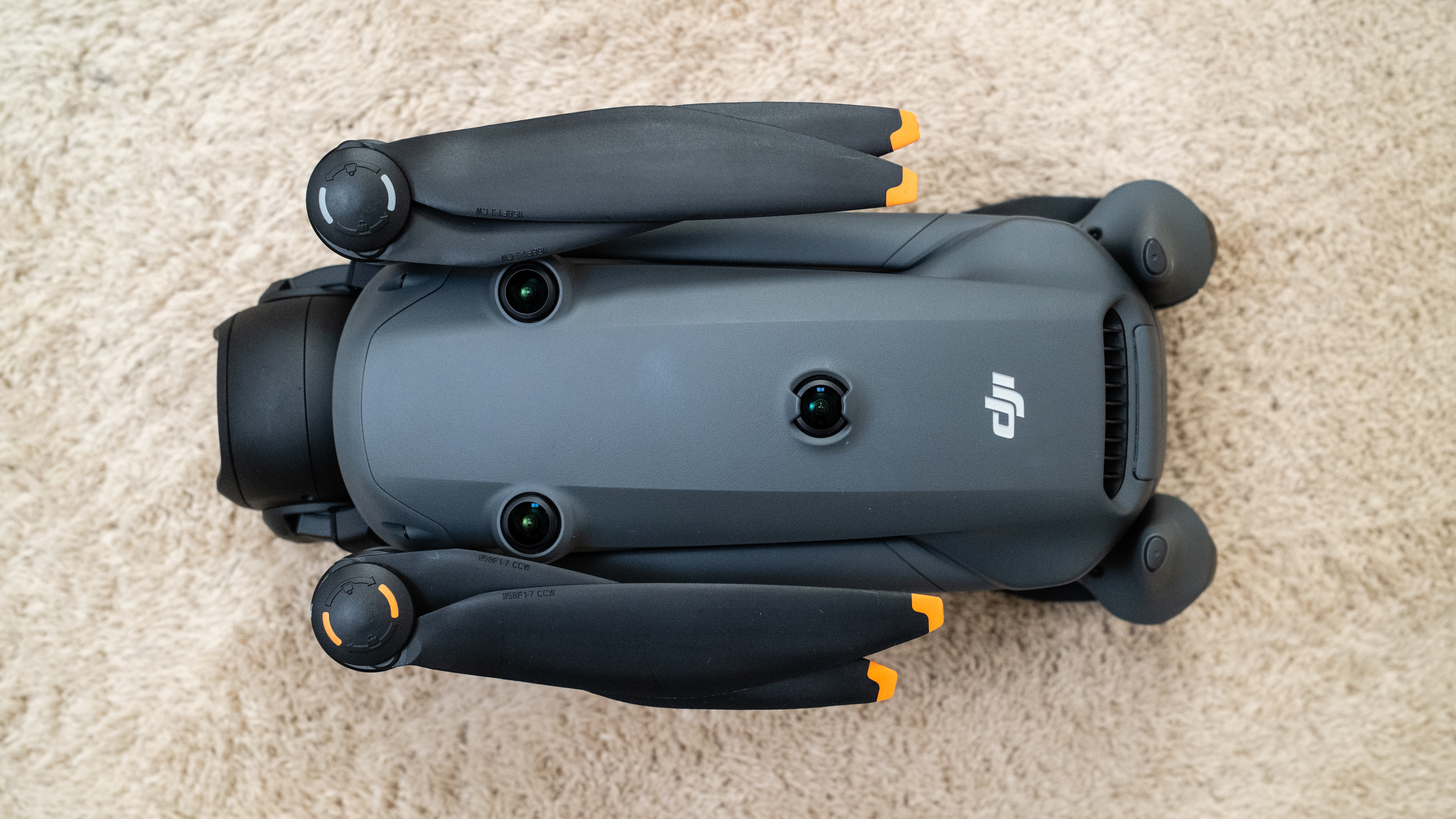
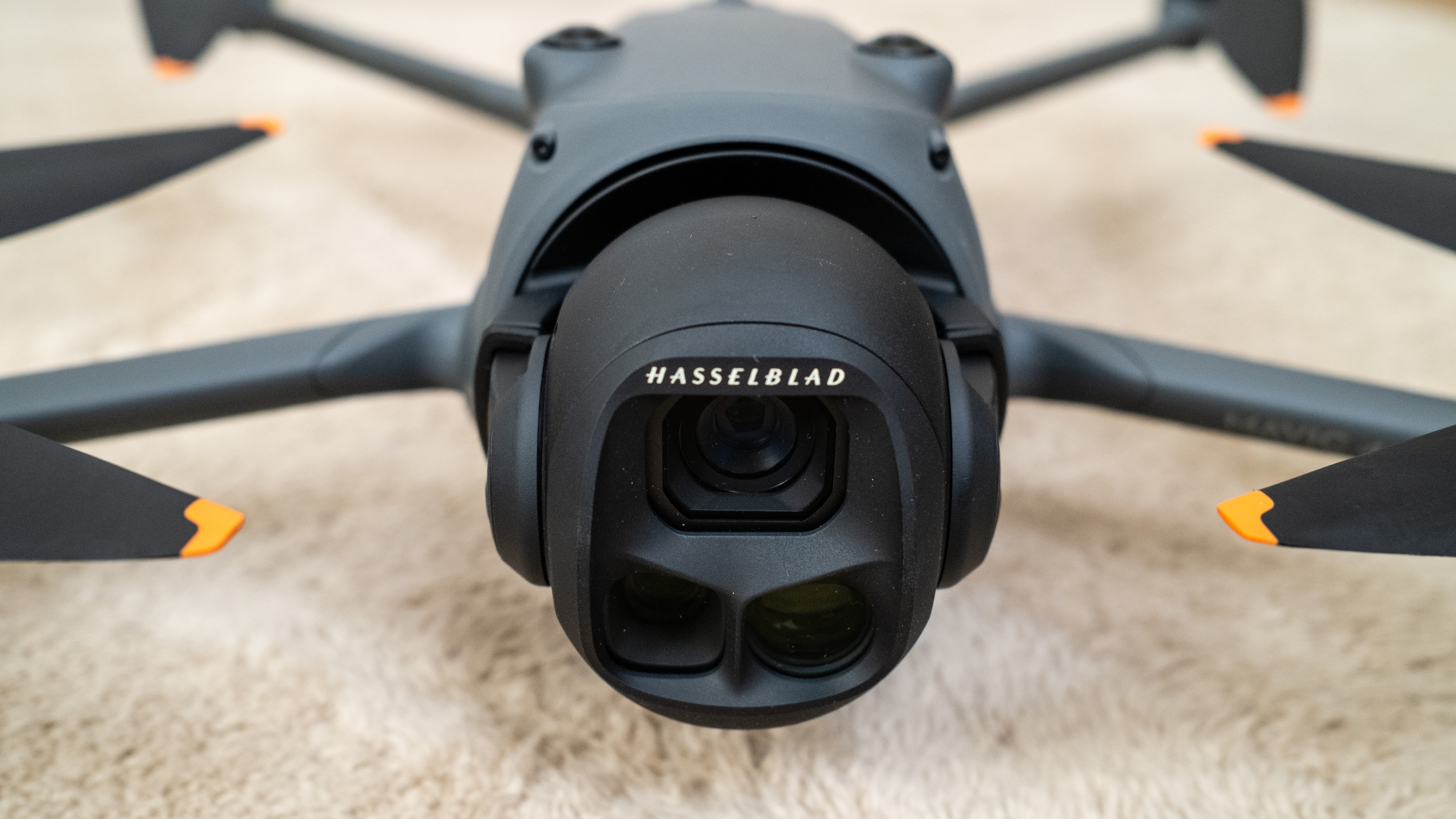
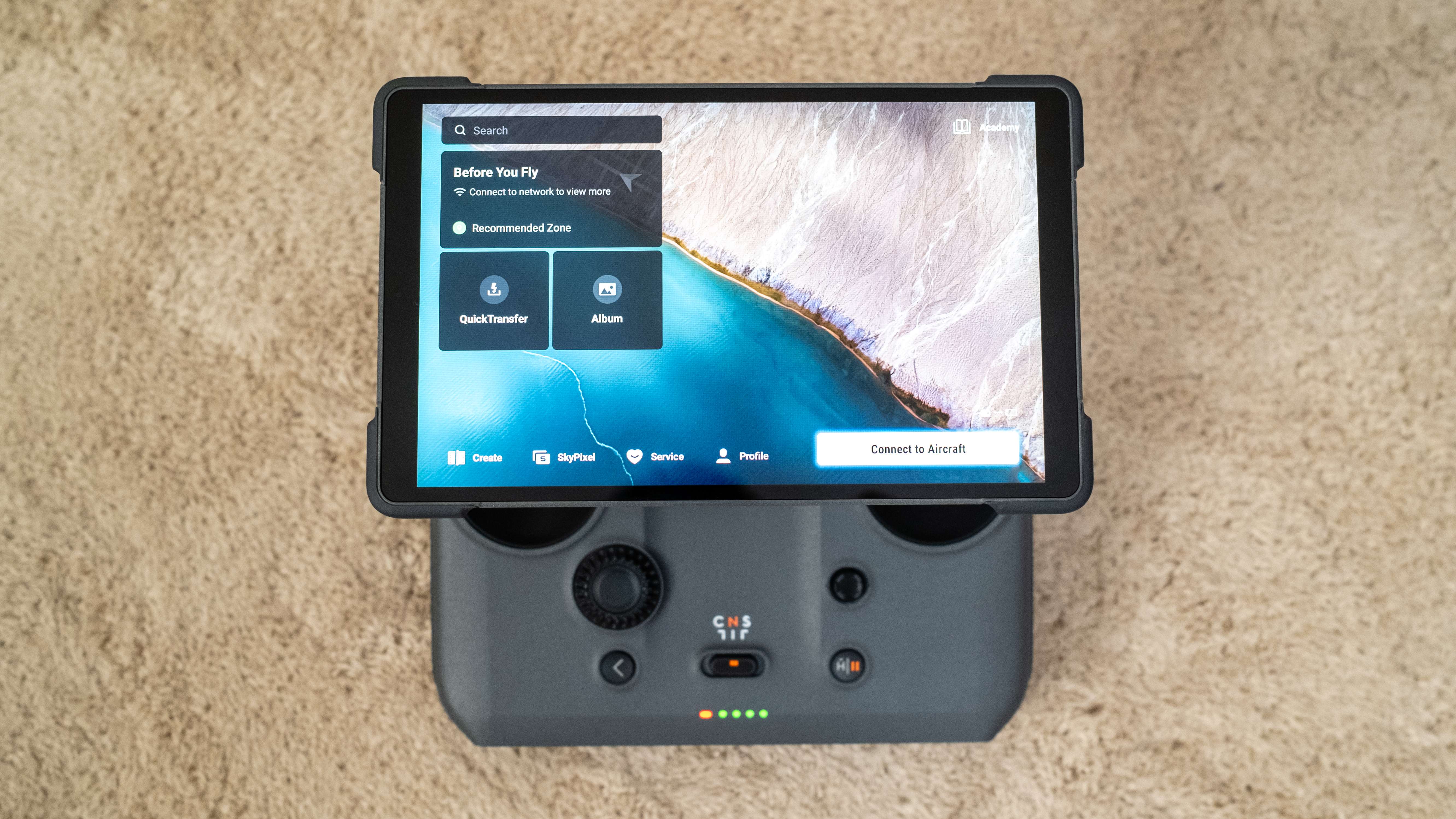
The DJI Mavic 4 Pro is a flagship drone model that combines one Hasselblad wide-angle camera with two telephoto cameras to offer huge creative potential. This feature-packed drone is also competitively priced despite the advanced technology it offers, but it is a high-end model that many drone pilots may not need.
This drone features DJI’s folding design to reduce its size for transportation and storage. It also turns on automatically when unfolded to help you get up and in the air quickly. The Mavic 4 Pro features a new aerodynamic design with large propellers that help it to achieve impressive speeds, while the gimbal can be rotated to almost any angle thanks to a unique new camera and gimbal design.
This drone offers an impressive top speed of 60.4 mph (97 km/h) in Sport mode, while subject tracking tops out at 40.3 mph (65 km/h). Image quality across the three cameras is excellent, although it’s the main Four Thirds camera with an adjustable aperture that produces the best image quality of all. Video can be captured up to 6K, while photos can be captured at 25MP and 100MP with the main camera.
The Mavic 4 Pro features a 0.1-Lux Nightscape Omnidirectional Obstacle Sensing System, including lidar. There’s also a greatly improved Return to Home function, where the drone can take off and return without a GPS signal, and advanced subject tracking functionality for cars.
Attributes | Notes |
|---|---|
Design: | Excellent design and build with innovative design elements. |
Performance: | Excellent flight and camera performance. |
Functionality: | Advanced features and functionality across the board. |
Best sub-250g
Image 1 of 5
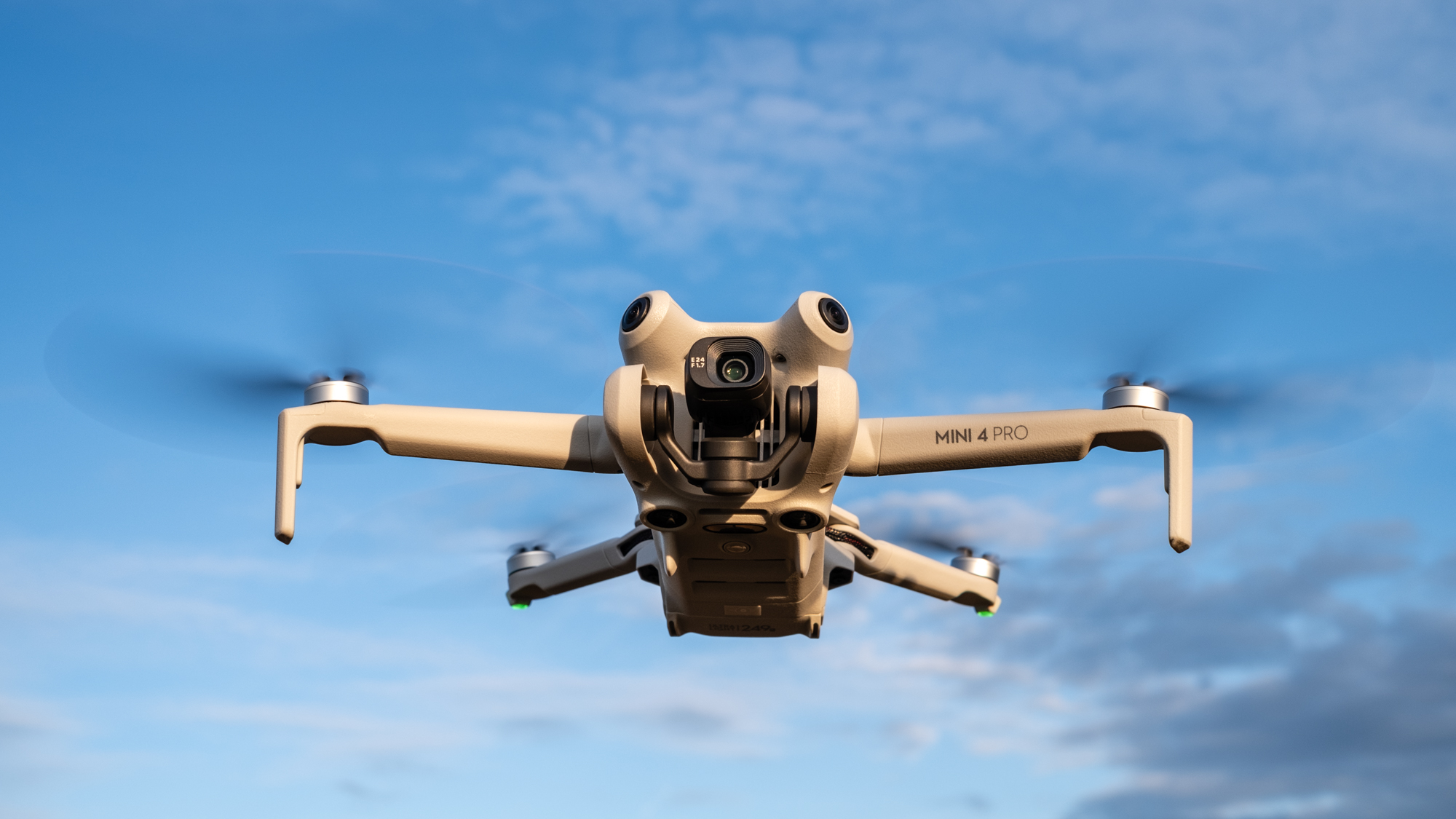
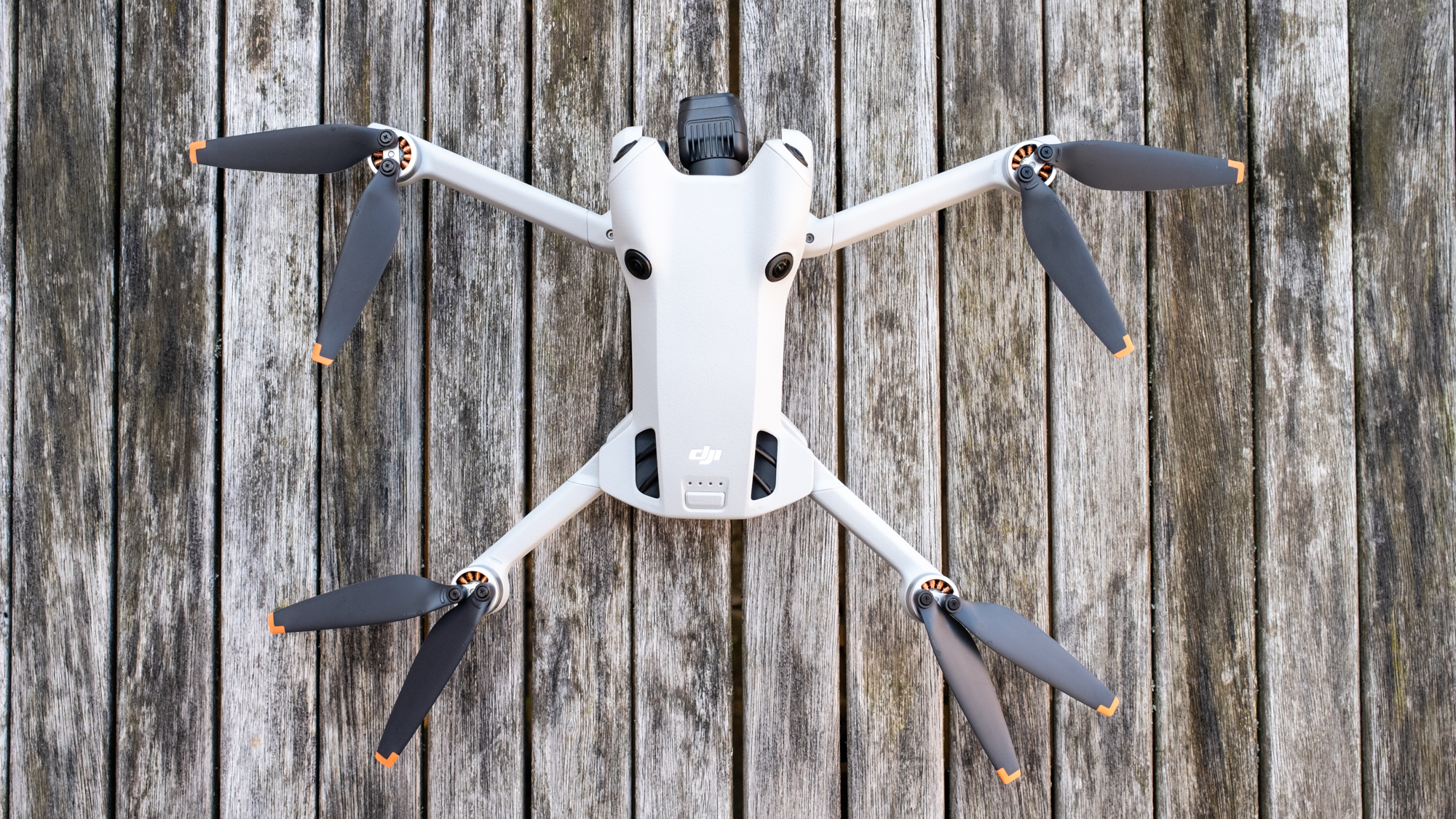
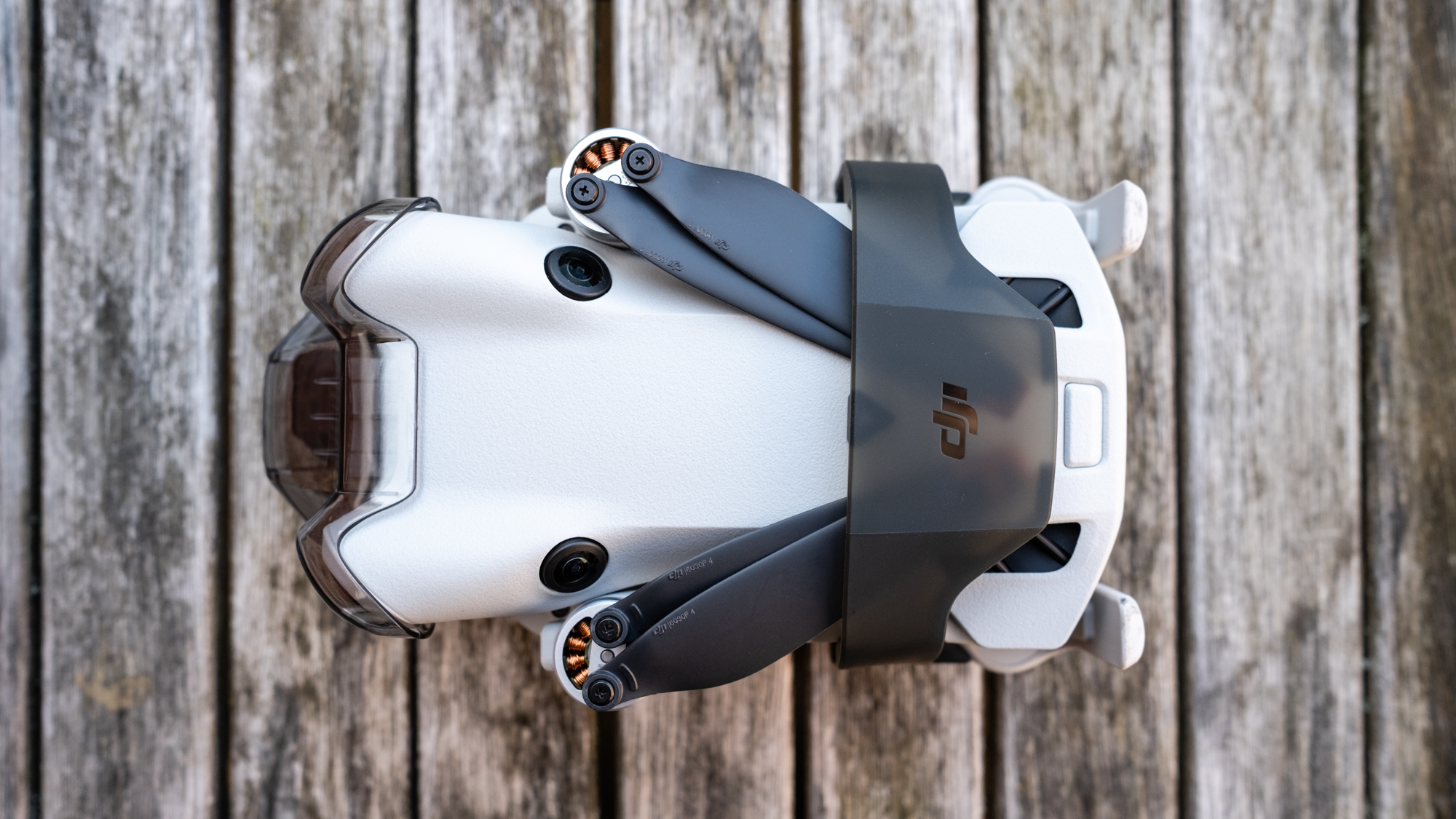
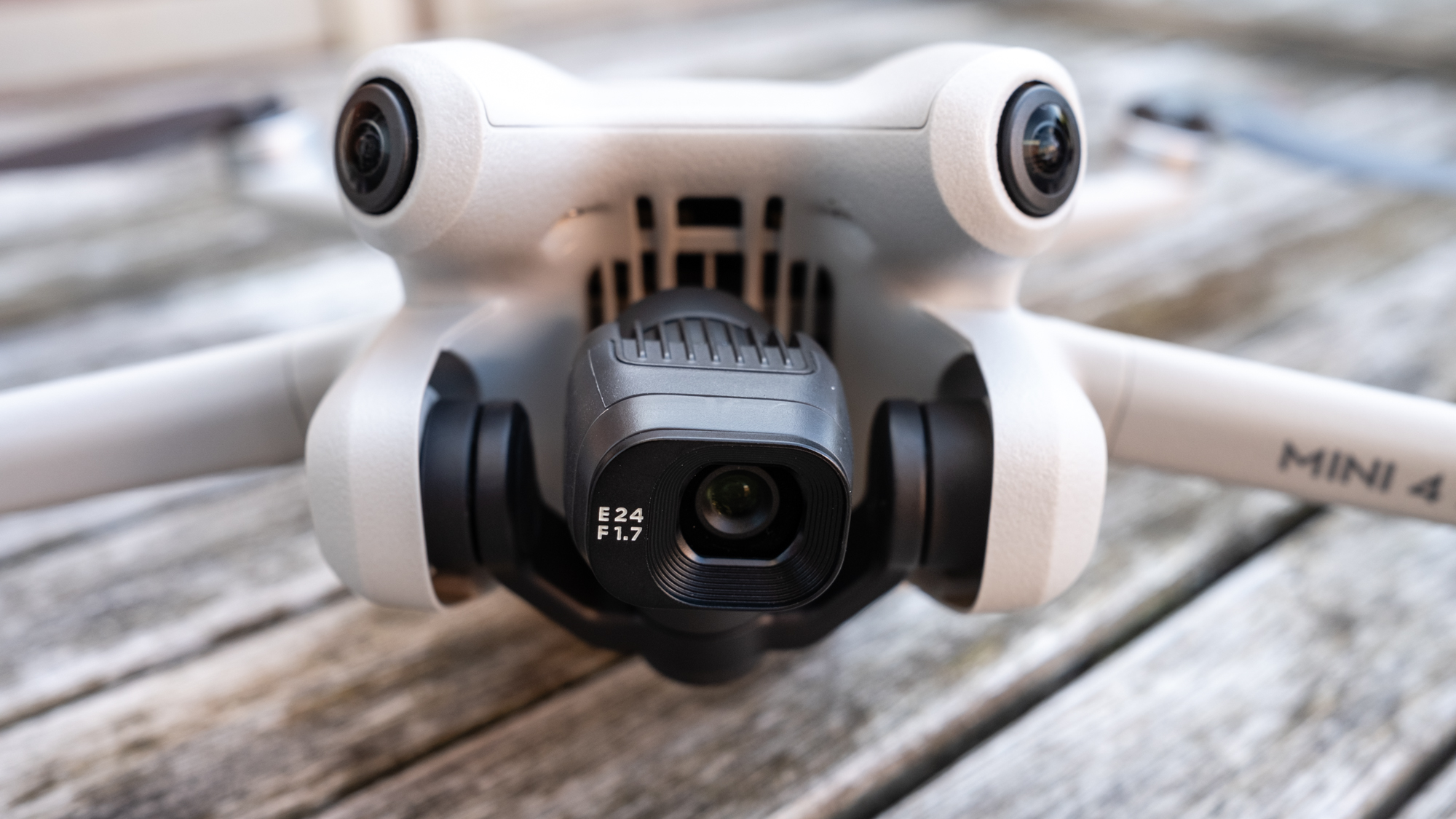
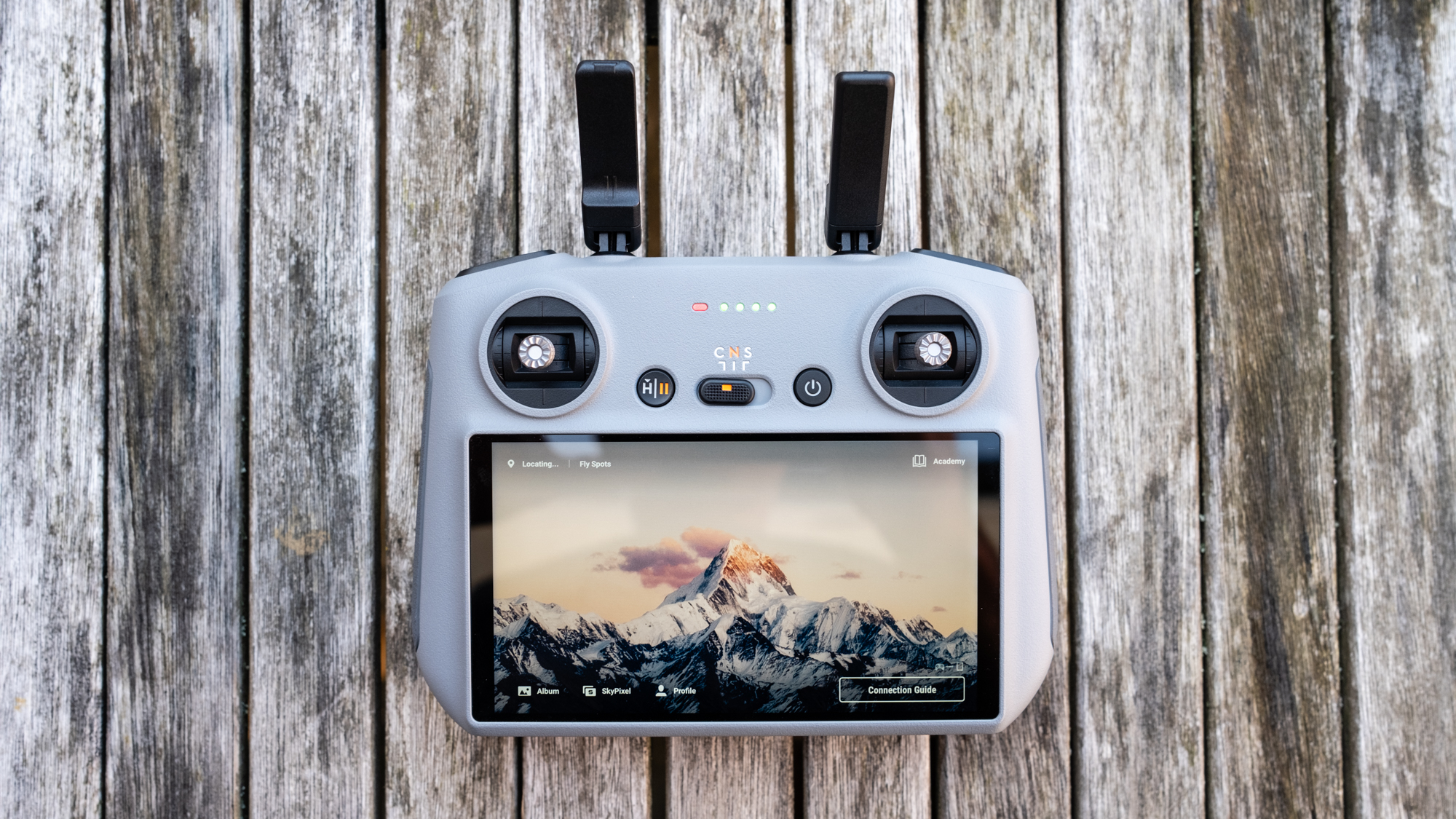
While most sub-250g drones are aimed at newbies, the DJI Mini 4 Pro is, as the name suggests, much more than a beginner's drone despite its compact size and light weight. But it's a great option for novices, too, so don’t be put off by its more advanced credentials and higher price than the competition — there isn’t another sub-250g drone like it.
The Mini 4 Pro features the usual DJI folding design, which makes the drone extremely compact for travel and storage. Plus, at 249 g, it’s extremely lightweight and is much less restricted than larger and heavier drones, and you won't need to register it. One feature we love is the ability to rotate the camera 90 degrees, allowing photo and video capture in both landscape and portrait (upright) formats.
The image quality produced by the Mini 4 Pro is impressive overall. 4K video up to 100 fps is available, while 1080p can be captured at up to 200 fps. Video can be captured in Normal, HLG (HDR) and the flat D-Log M color profiles, while photos can be captured in both Raw and JPEG formats.
The Mini 4 Pro features Omnidirectional Collision Avoidance and Advanced Return to Home functionality, which puts it on a level with larger and more advanced DJI drones. Other features include Hyperlapse, MasterShots, Quickshots, Digital Zoom and QuickTransfer, for transferring photo and video files to a phone without having to switch on the controller.
Attributes | Notes |
|---|---|
Design: | Well-built, compact and lightweight folding design. |
Performance: | Great image quality and plenty of creative camera options. |
Functionality: | Advanced features more commonly seen on flagship models. |
Best budget
Image 1 of 5
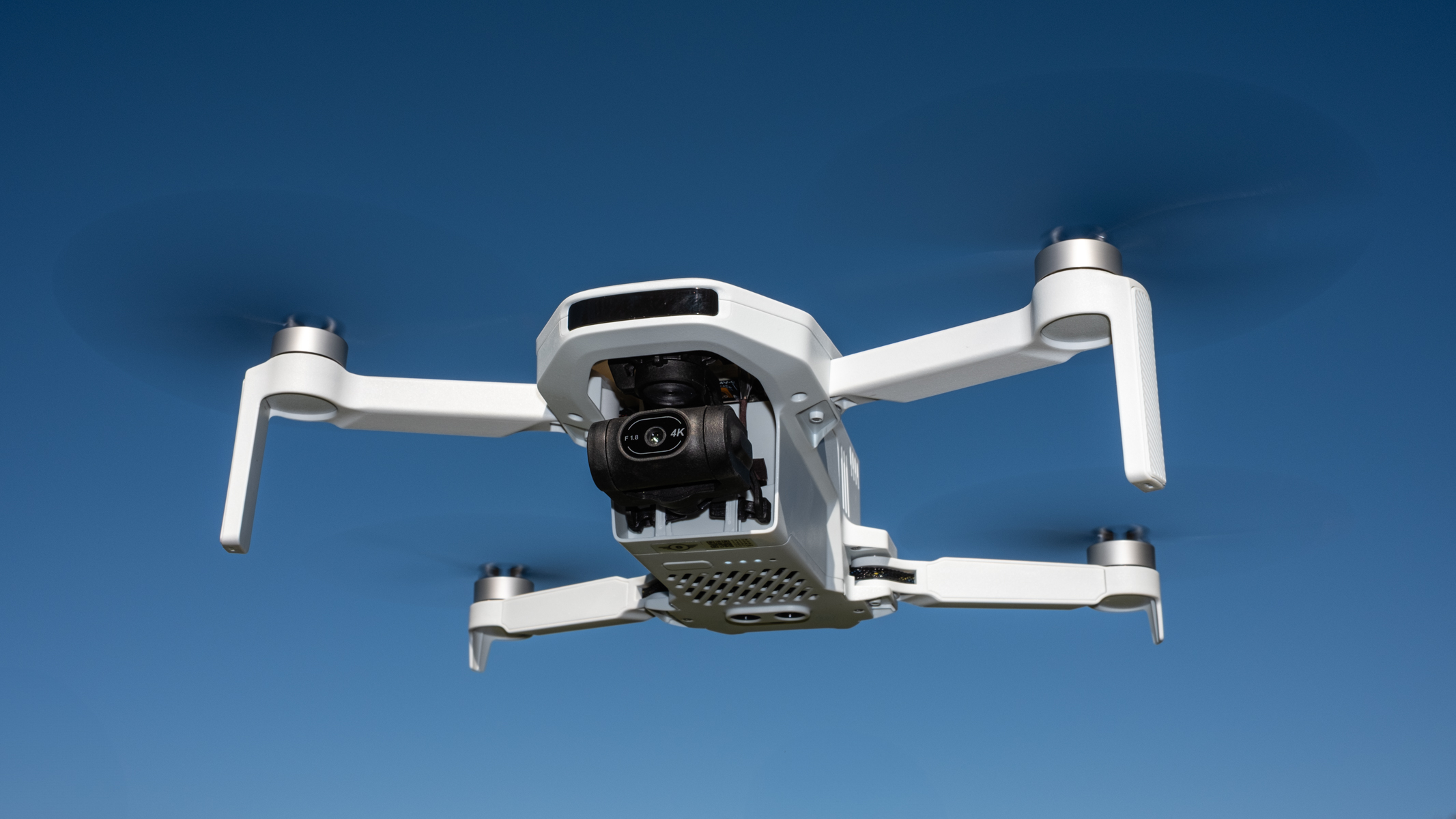
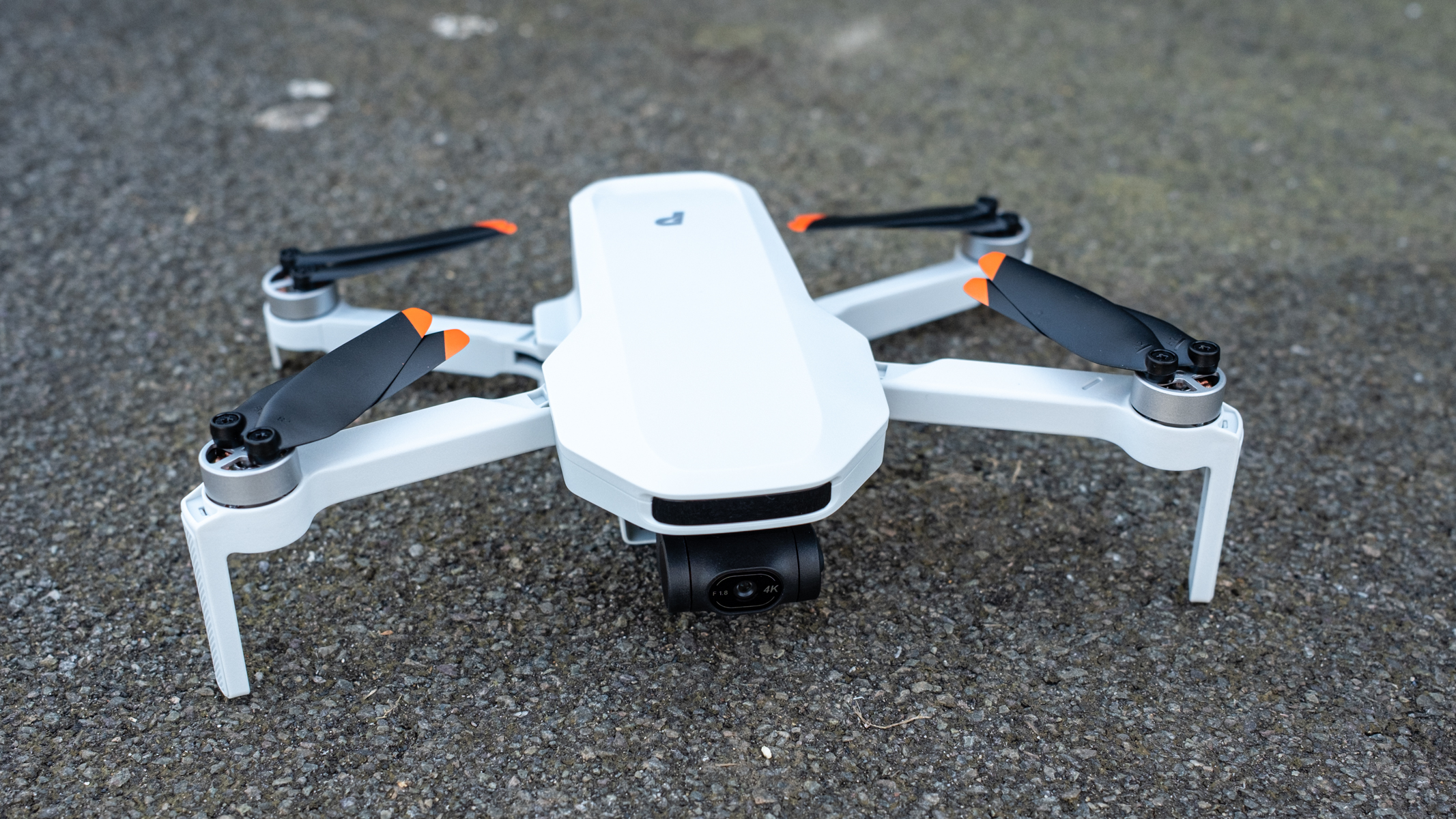
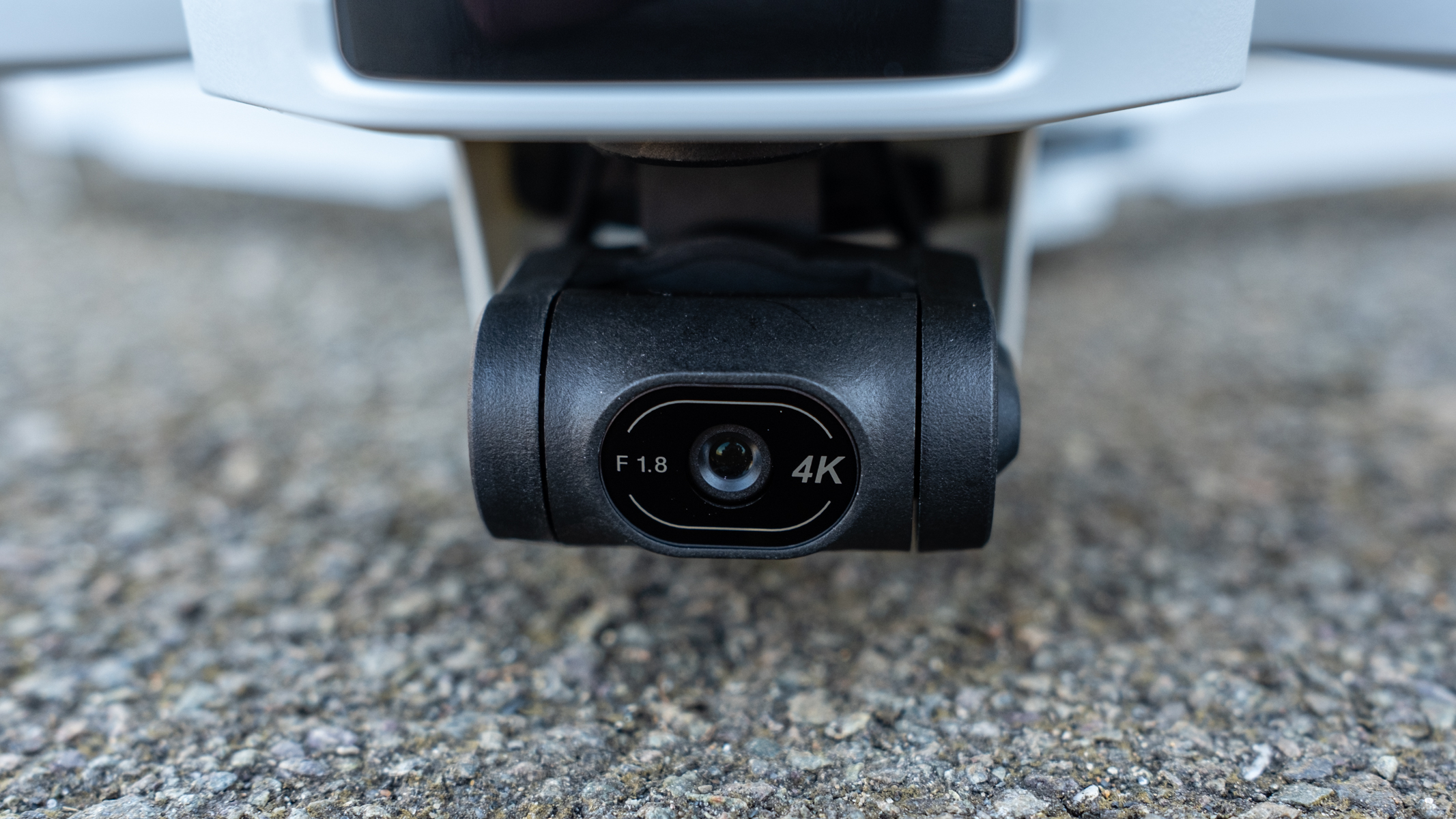
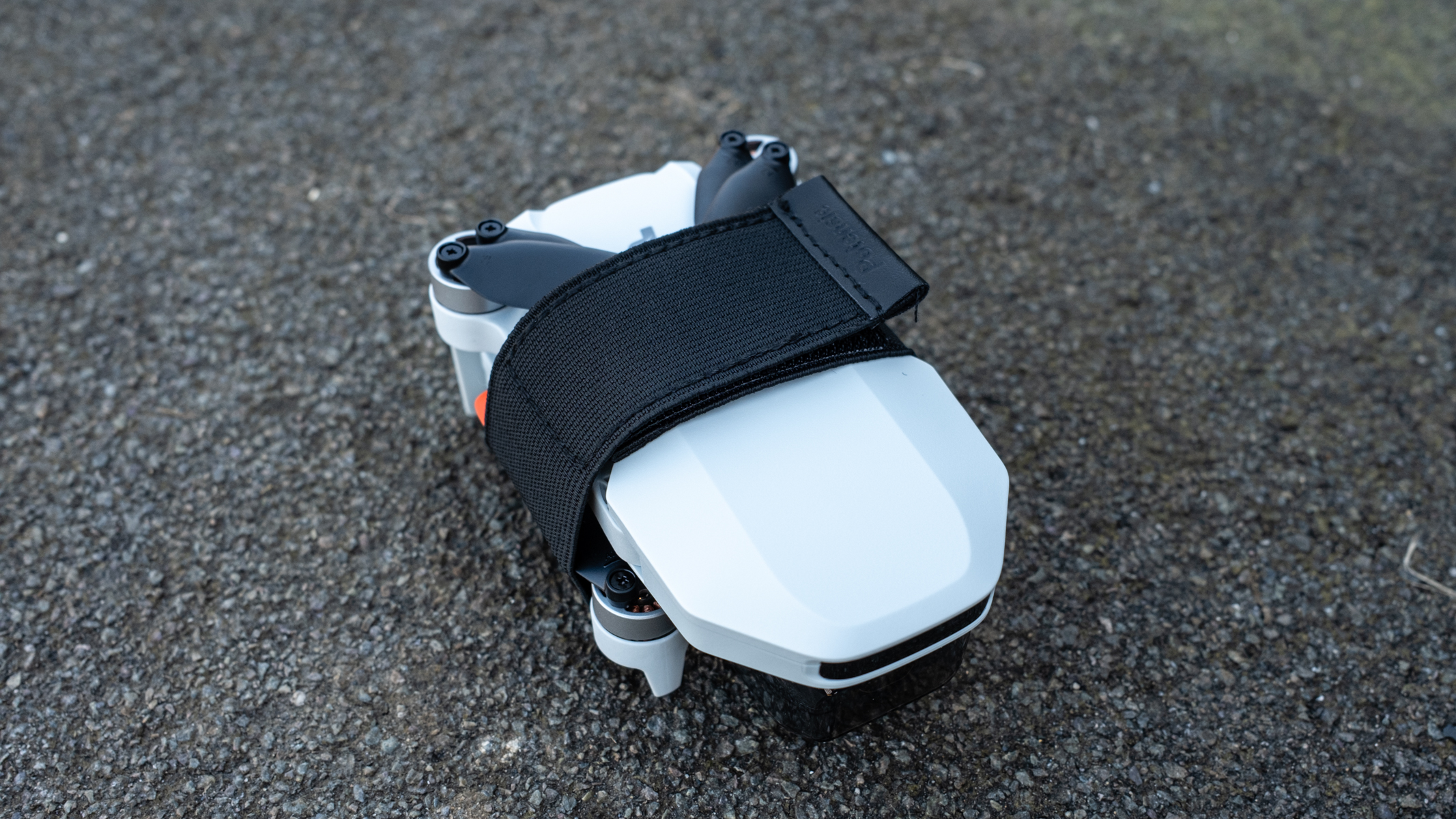
The Potensic Atom 2 may be a beginner's sub-250g drone, but it’s packed with features and functionality that make it much more advanced than its price suggests. What’s more, some new features are due for release in future firmware updates, including the new P-Log flat color profile for capturing video that can be color-graded in a professional video workflow.
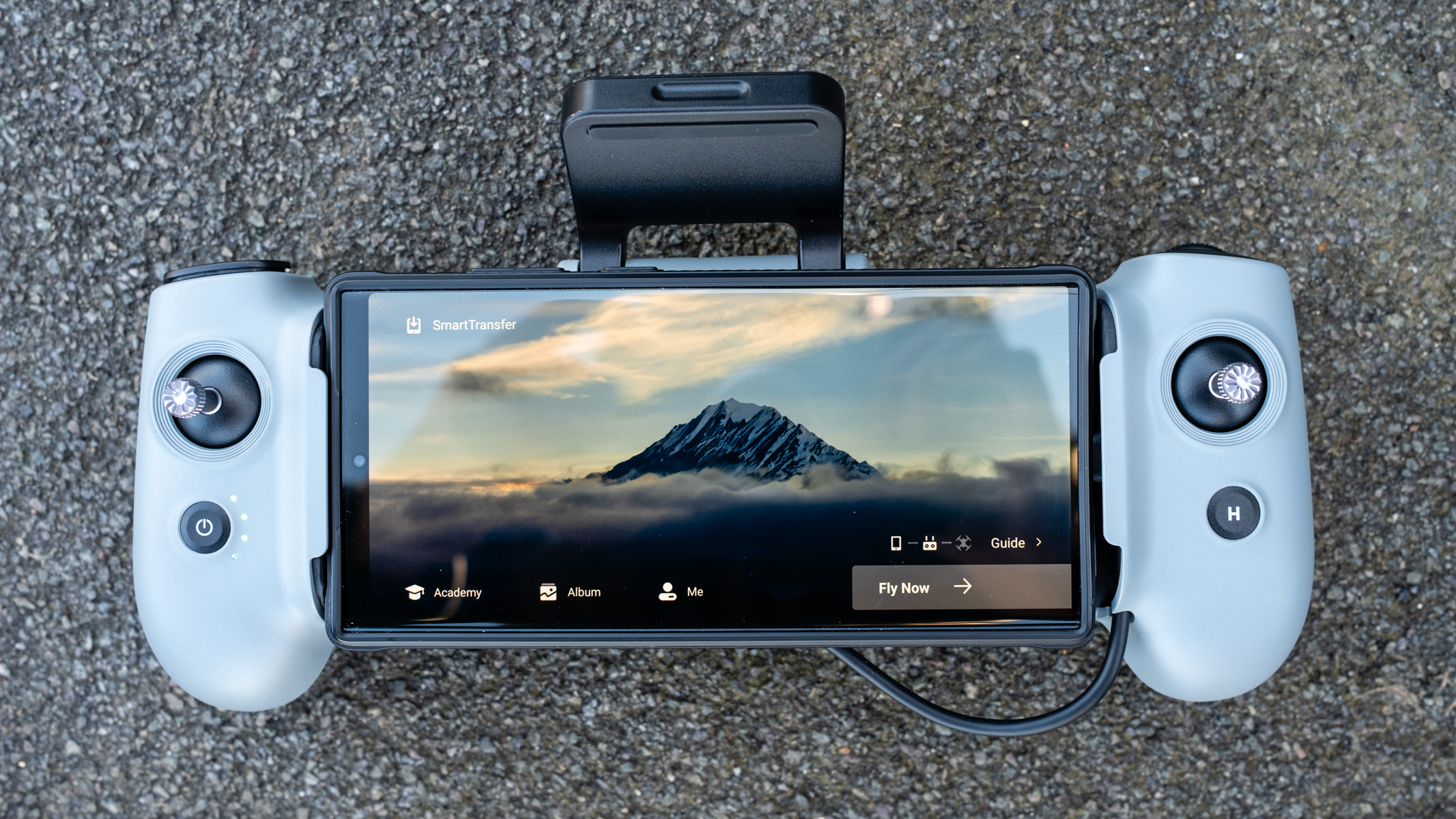
The Atom 2 is a compact and lightweight folding drone with excellent build quality. The controller breaks from the norm with its central smartphone holding position that makes it look and feel more like a smart controller, despite not actually being one. The fast-charging hub is also mains-powered, so battery charging is impressively fast.
Image quality is excellent, although RAW files do require manual vignette removal. 12MP and 48MP photo capture is also available, although the higher-resolution option is only available in JPEG format. Hopefully, a firmware update will make this available for RAW capture, too. Video can be captured at up to 4K, with slow-motion video also available.
Flight performance is excellent and reasonably fast. Useful features include Dynamic Home Point, which brings the drone back to the controller location rather than the take-off point when Return to Home is initiated, AI subject tracking, time-lapse and Quickshots automated flight patterns, among others.
Attributes | Notes |
|---|---|
Design: | Excellent build quality with a unique and impressive controller. |
Performance: | Great image quality with more features to come with firmware updates. |
Functionality: | Impressive flight performance and features for the price. |
Best beginners
Image 1 of 5
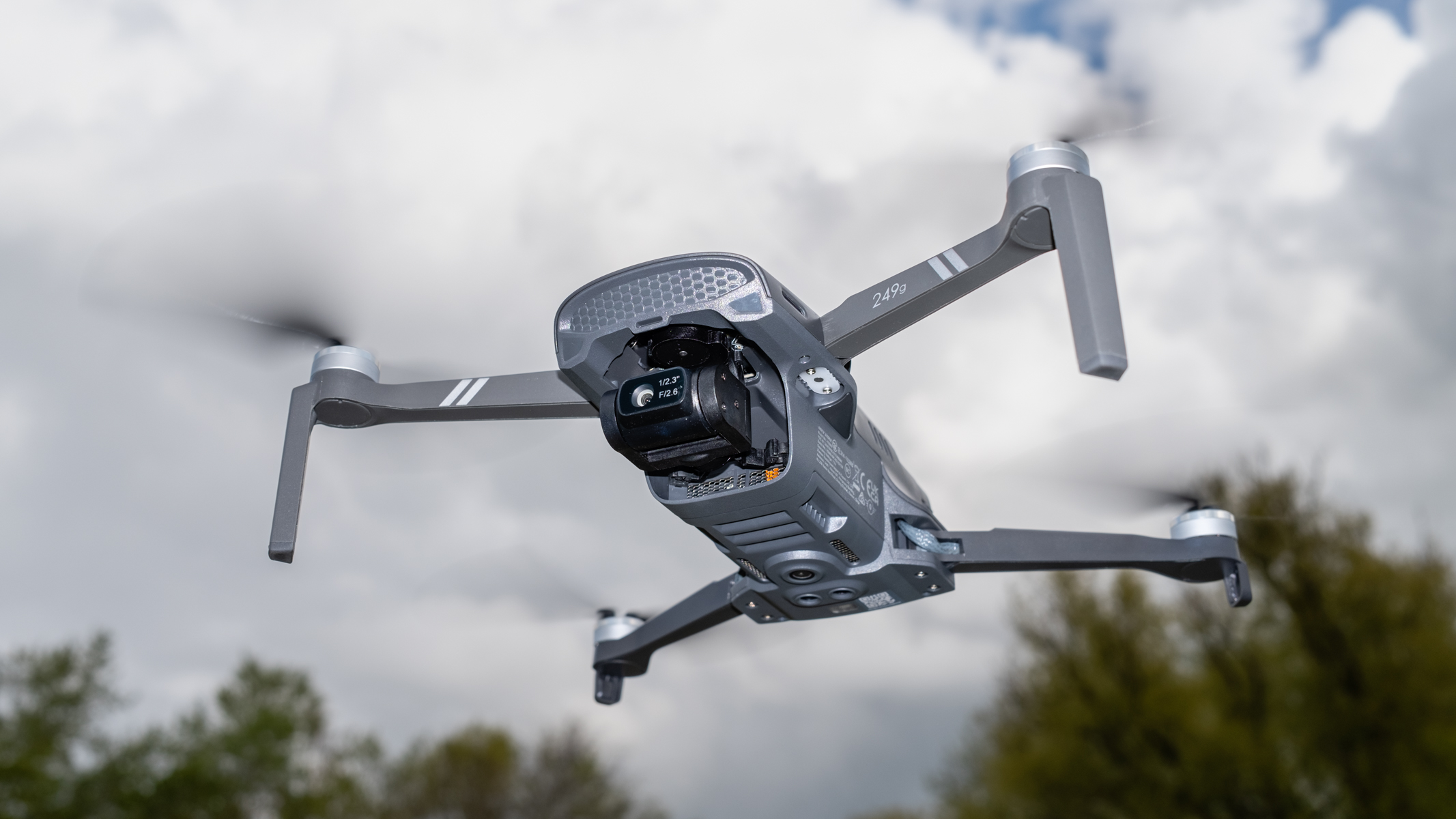
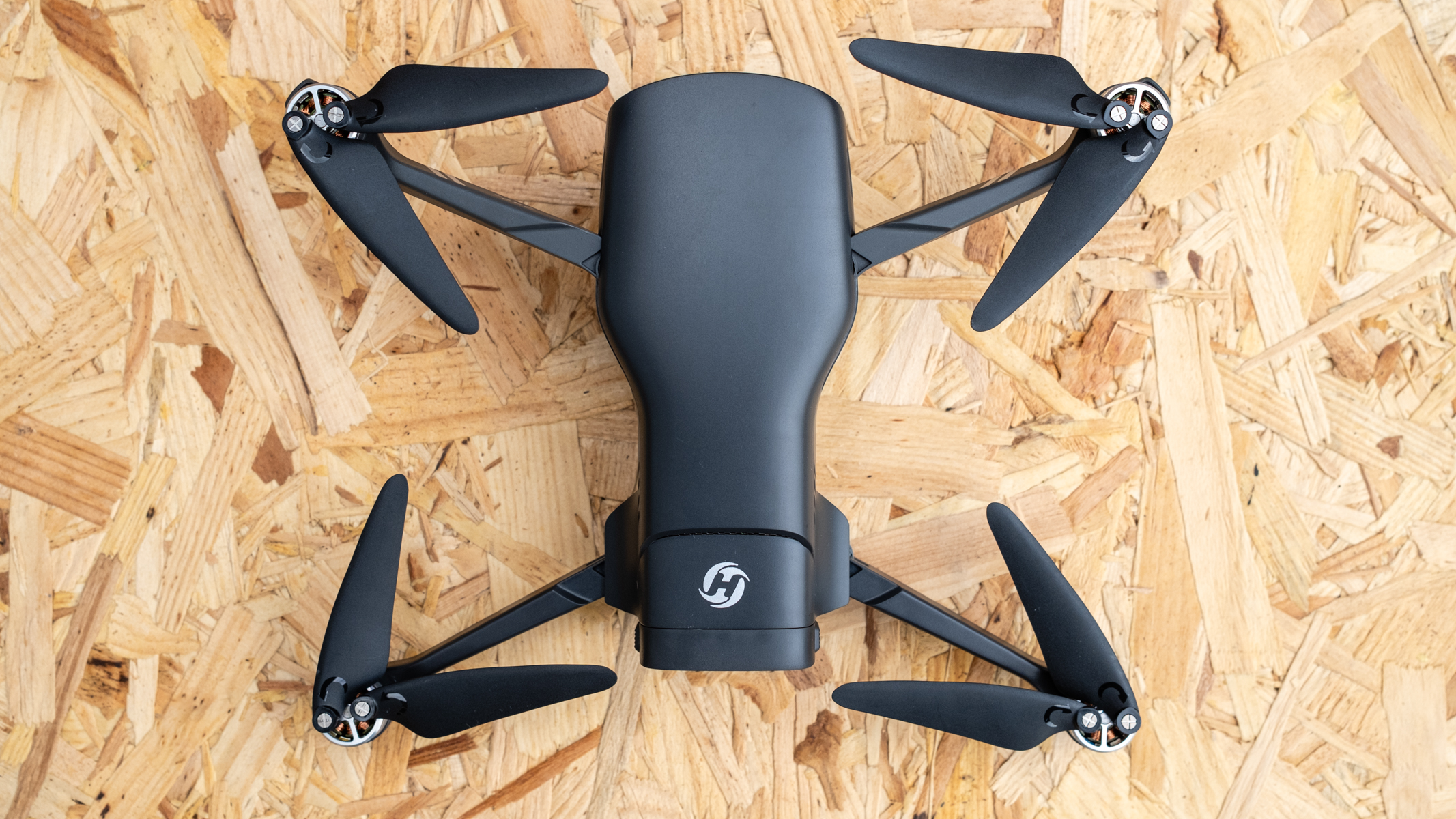
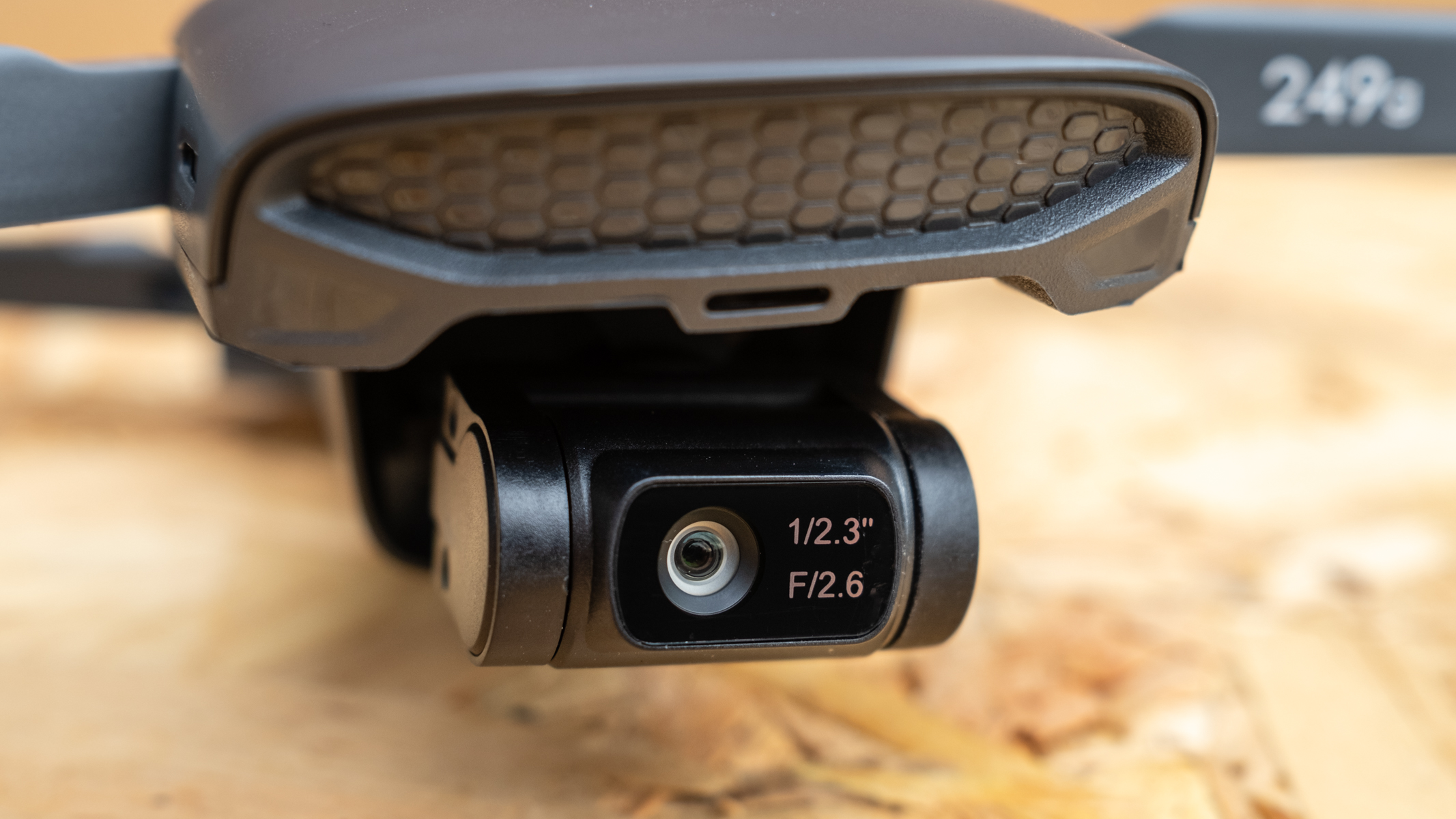
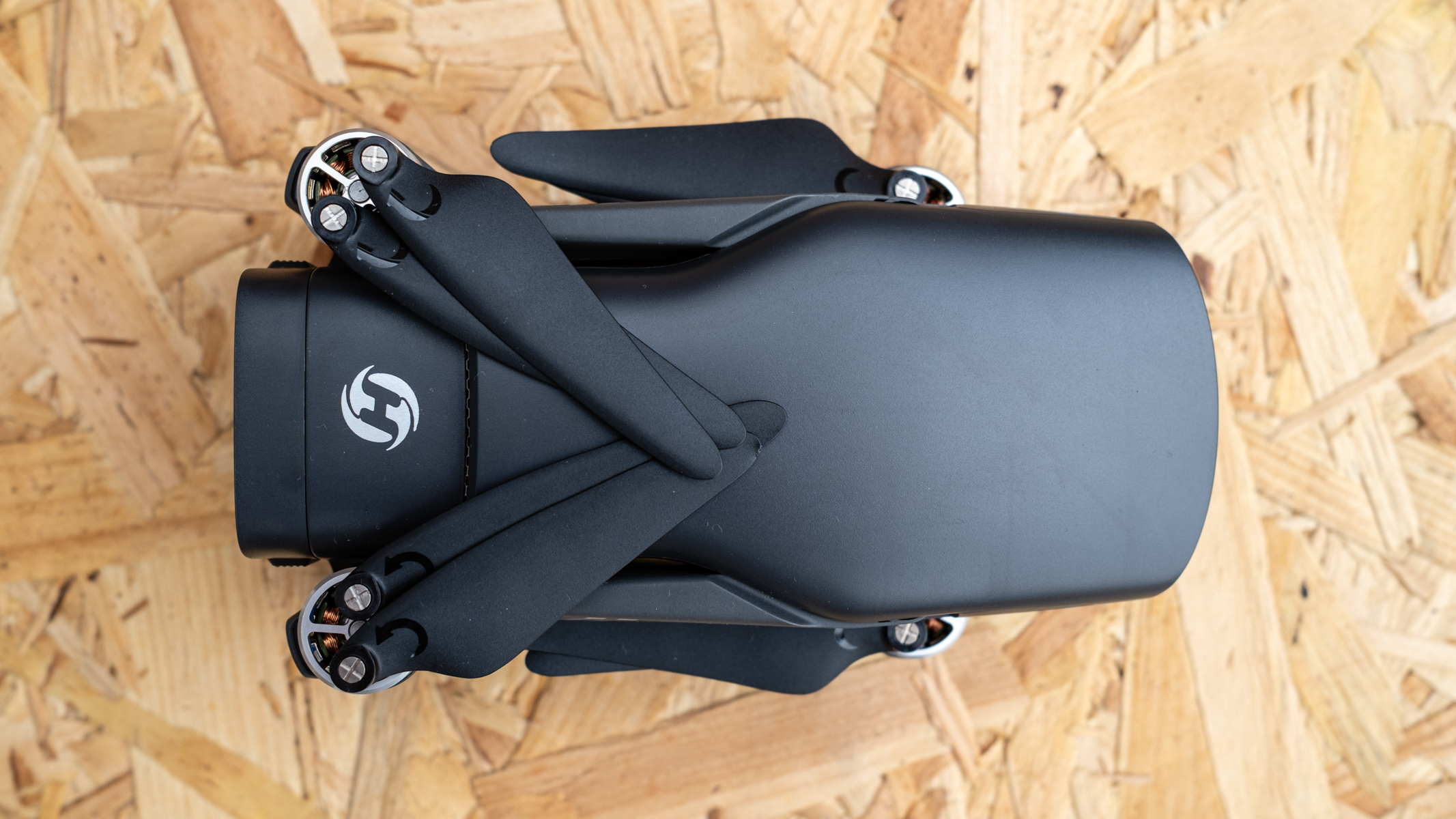
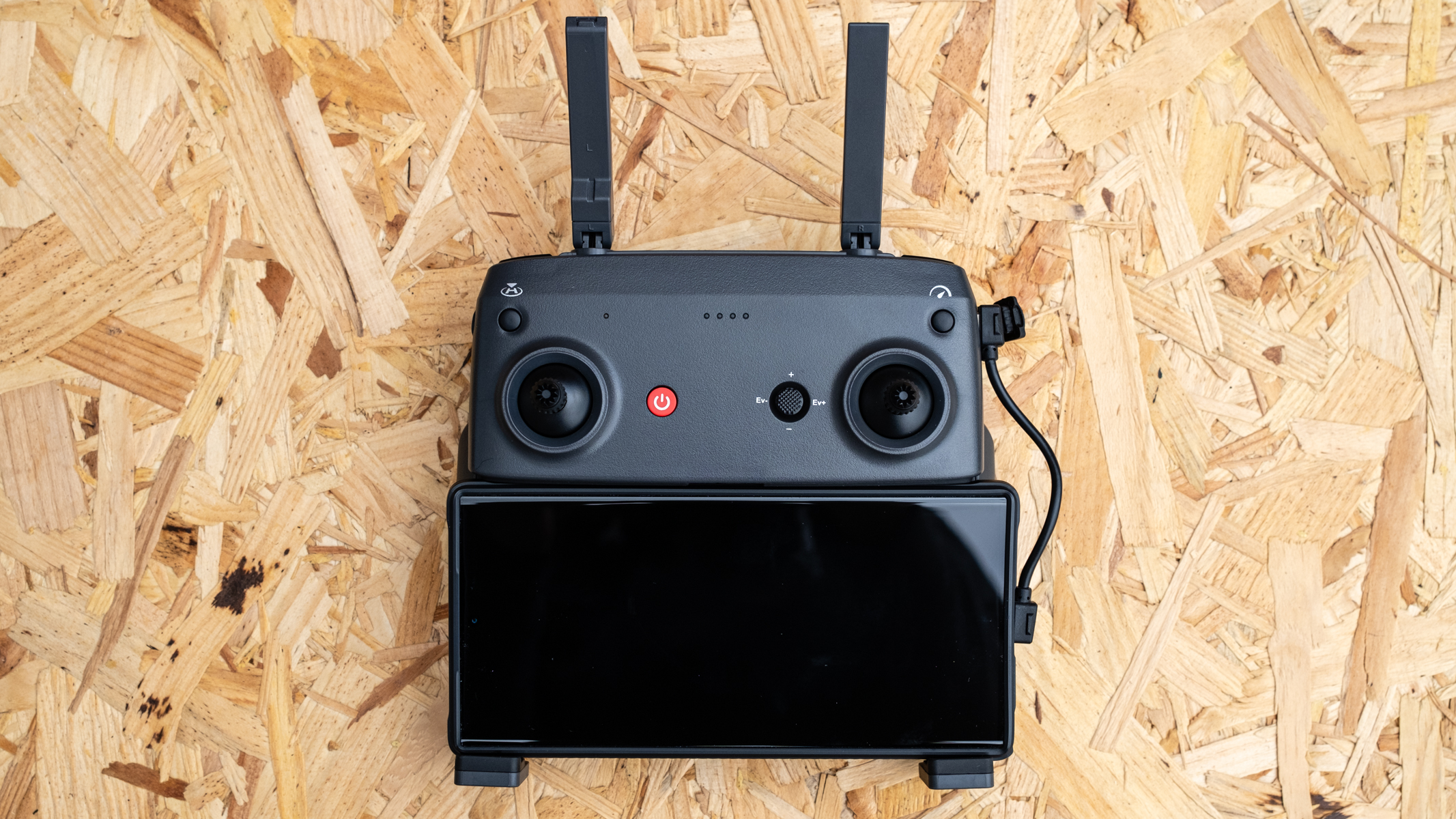
The Holy Stone HS900 is Holy Stone’s finest drone to date and one that competes well against other sub-250g models. Some of the features available aren’t typically seen on budget/beginner models like this, and although image quality isn’t perfect, it’s still very good and more than adequate for beginners. Design: With its folding design and great build quality, the HS900 follows a tried and tested design that works. Flight times typically average around 22 minutes in moderate to gusty winds, while the 2250 mAh batteries take just over an hour to charge in the drone via USB-C, which is good. This approach also allows for charging on location using a USB power bank.
The camera features a Sony 1/2.3 in 48MP CMOS sensor with a fixed focus f/2.6 lens, and image quality is good with sharp photos and videos. White balance is a little quirky and could benefit from adjustments in a future firmware update. The white balance presets are also a little off what you would expect, with Auto providing the best, yet not always perfect results.
The HS900 offers Level 5 wind resistance, which equates to wind speeds up to 24 mph (39 km/h). Features that you might normally only expect on more expensive drones include subject tracking, cruise control and time-lapse capture. There is, however, no collision avoidance, so beginners will have to take greater care when flying in the vicinity of obstacles such as trees.
Attributes | Notes |
|---|---|
Design: | Well made, with a convenient folding design. |
Performance: | Image quality is good but white balance could be better. |
Functionality: | Impressive features for a beginner drone. |
Best FPV
Image 1 of 5
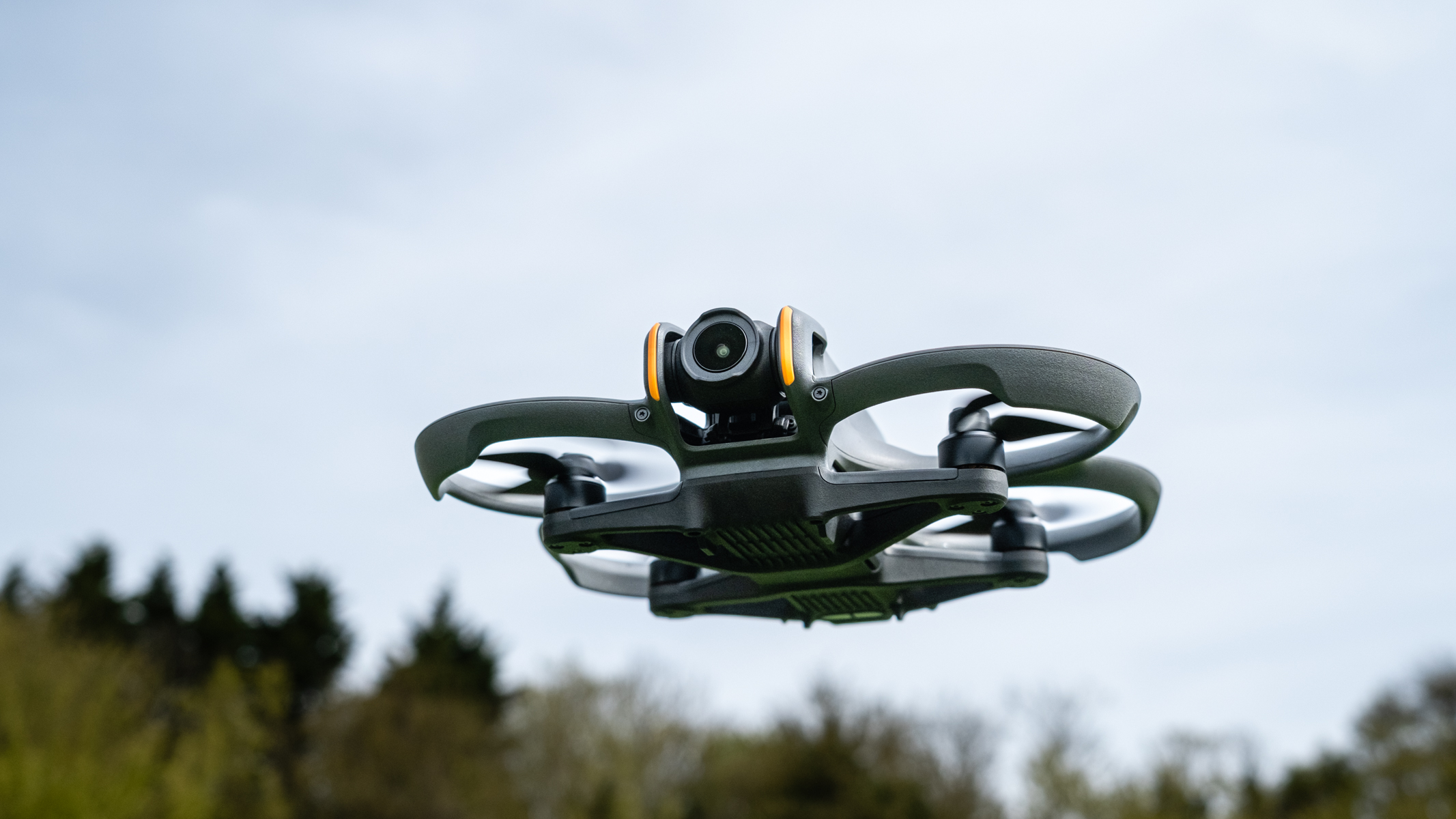
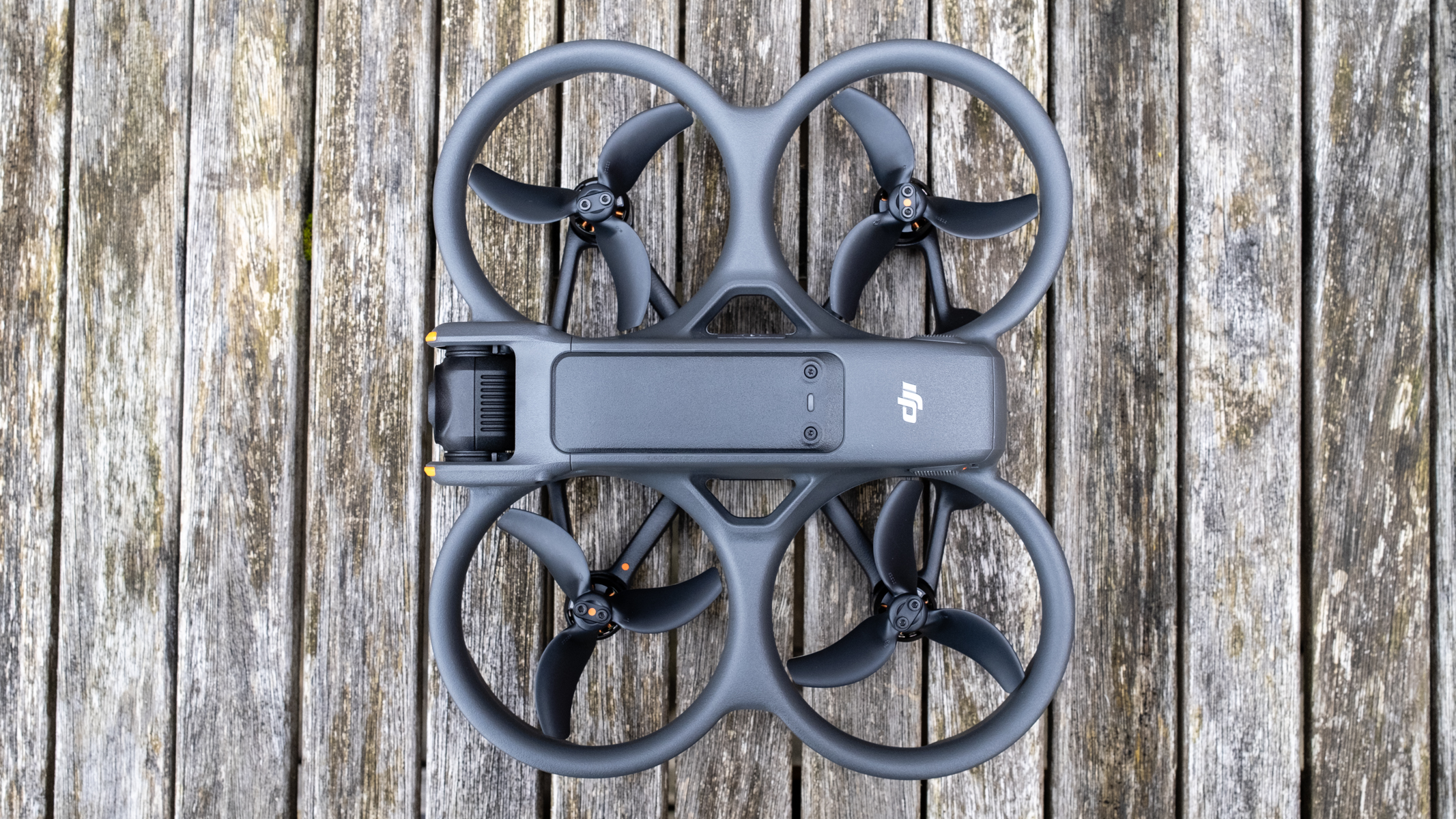
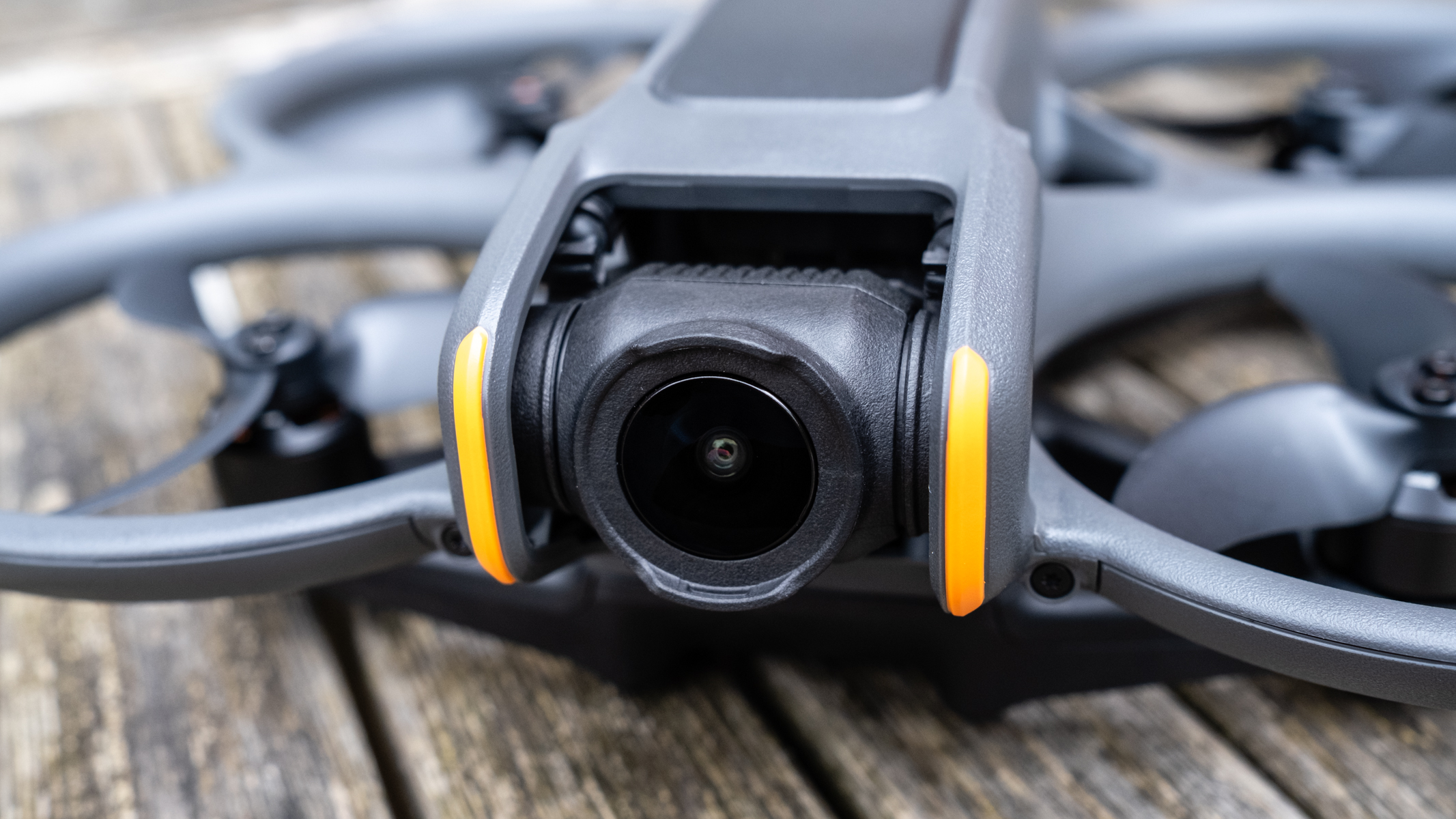
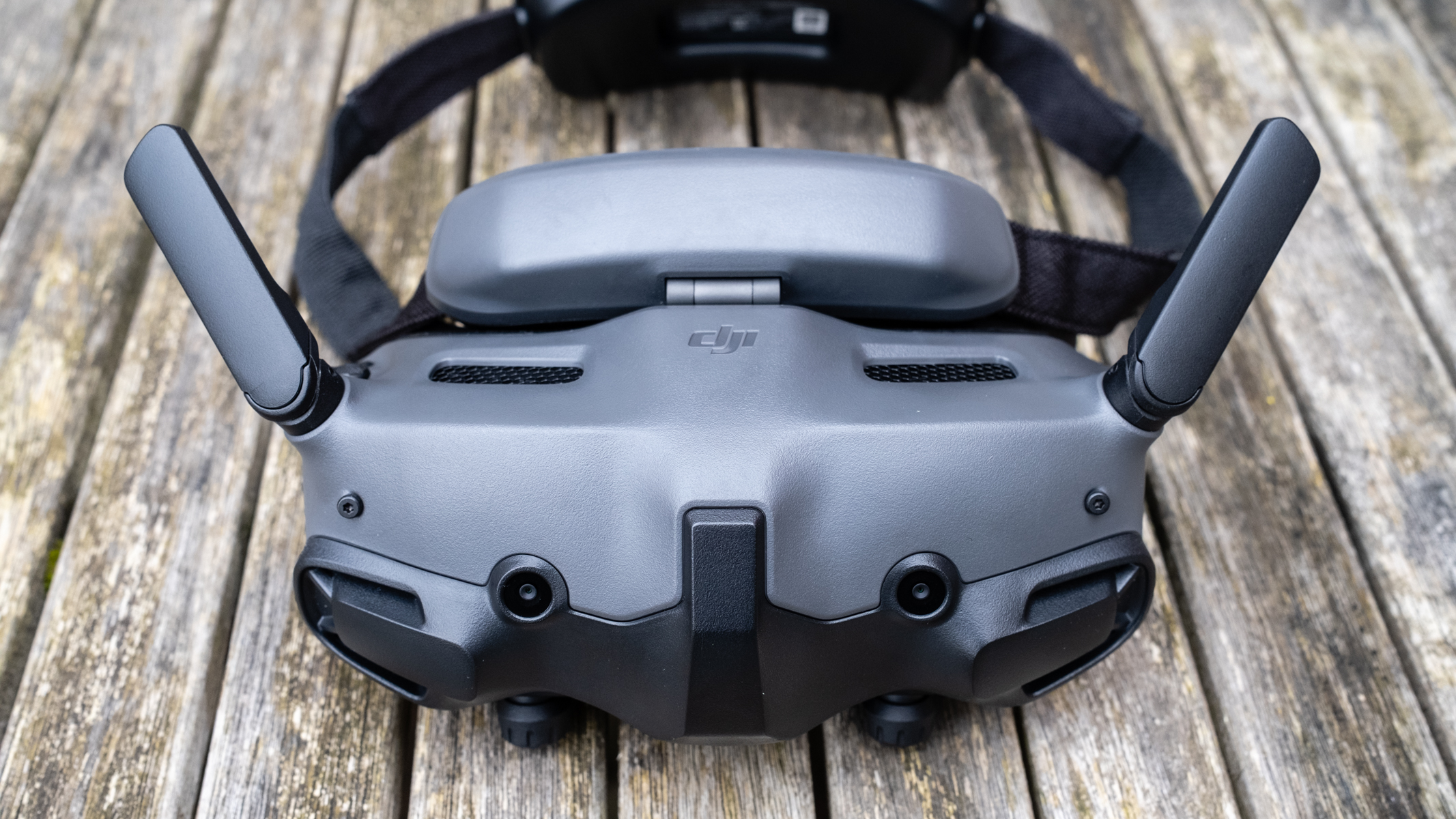
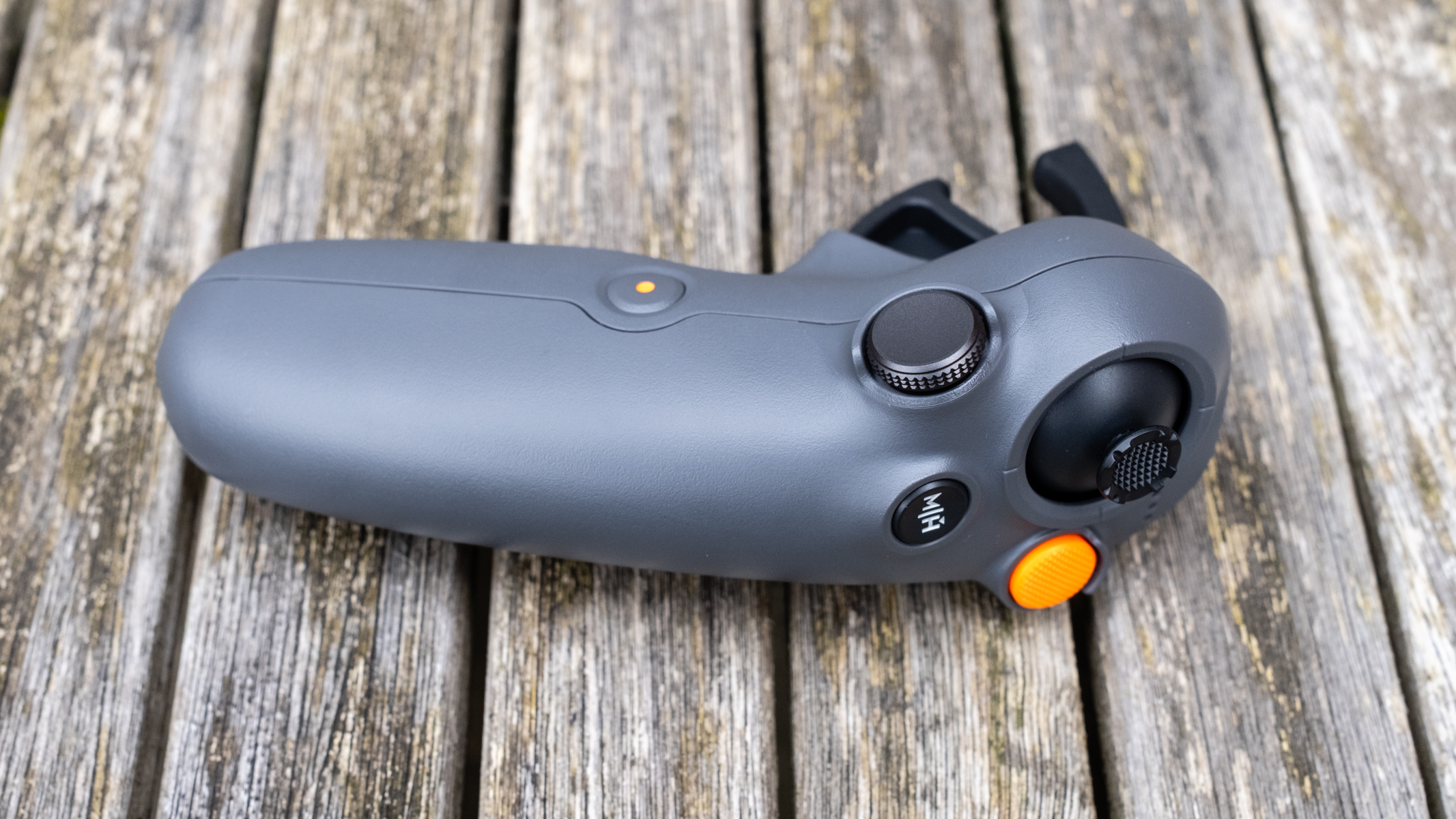
FPV drones are traditionally difficult to fly, but bucking this trend is the DJI Avata 2, which can be flown by absolute beginners and professional FPV pilots alike. It’s a huge amount of fun to fly, and the kit comes with everything you need, including DJI Goggles 3.
The Avata 2 follows the CineWhoop-style design, with guards around the propellers to protect them and any nearby objects in the event of a crash. The camera is mounted at the front of the drone on a two-axis gimbal paired with highly effective Electronic Image Stabilization, with both the goggle view and video recording being captured by the same camera.
Video can be captured in 4K at up to 60 fps, with 2.7K and 1080p offering frame rates up to 120 fps for slow-motion capture. Color profiles include Normal for straight-out-of-camera footage and the D-Log M flat profile for color grading and professional use. The drone can capture photos in JPEG format, but this is not really a drone for taking pictures.
The Avata 2 is all about immersive flight, but it can be controlled in two ways. With the intuitive DJI Motion 3 Controller, even absolute beginners can take flight with ease. Experienced pilots, on the other hand, can fly in manual/acro mode using the DJI FPV Remote Controller 3, which is available separately.
Attributes | Notes |
|---|---|
Design: | CineWhoop-style design with built-in propeller guards. |
Performance: | Great 4K video capture with 2.7K and 1080p slow motion available. |
Functionality: | Incredibly easy to use and fly with the Motion 3 Controller. |
Best selfie
Image 1 of 5
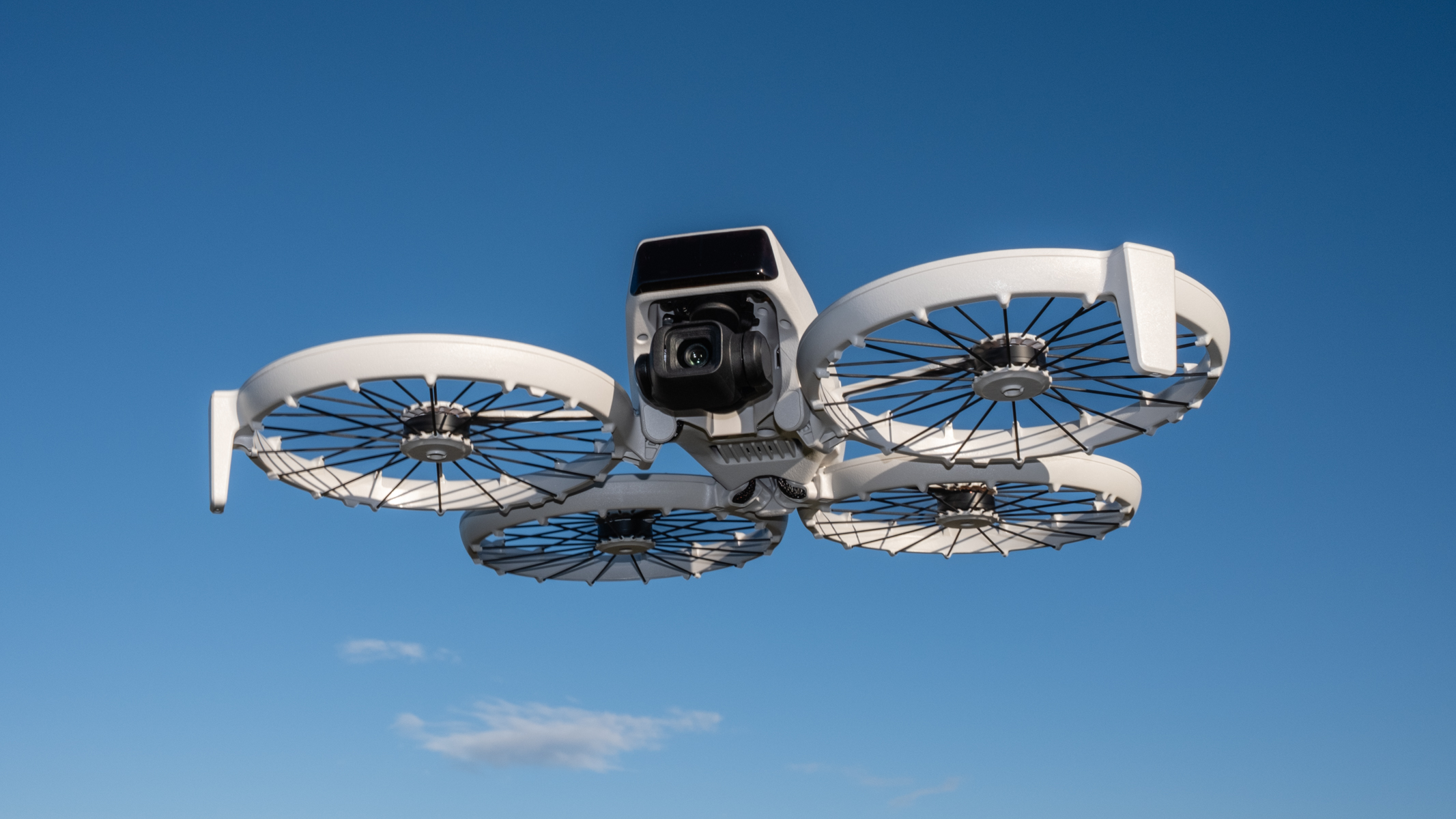
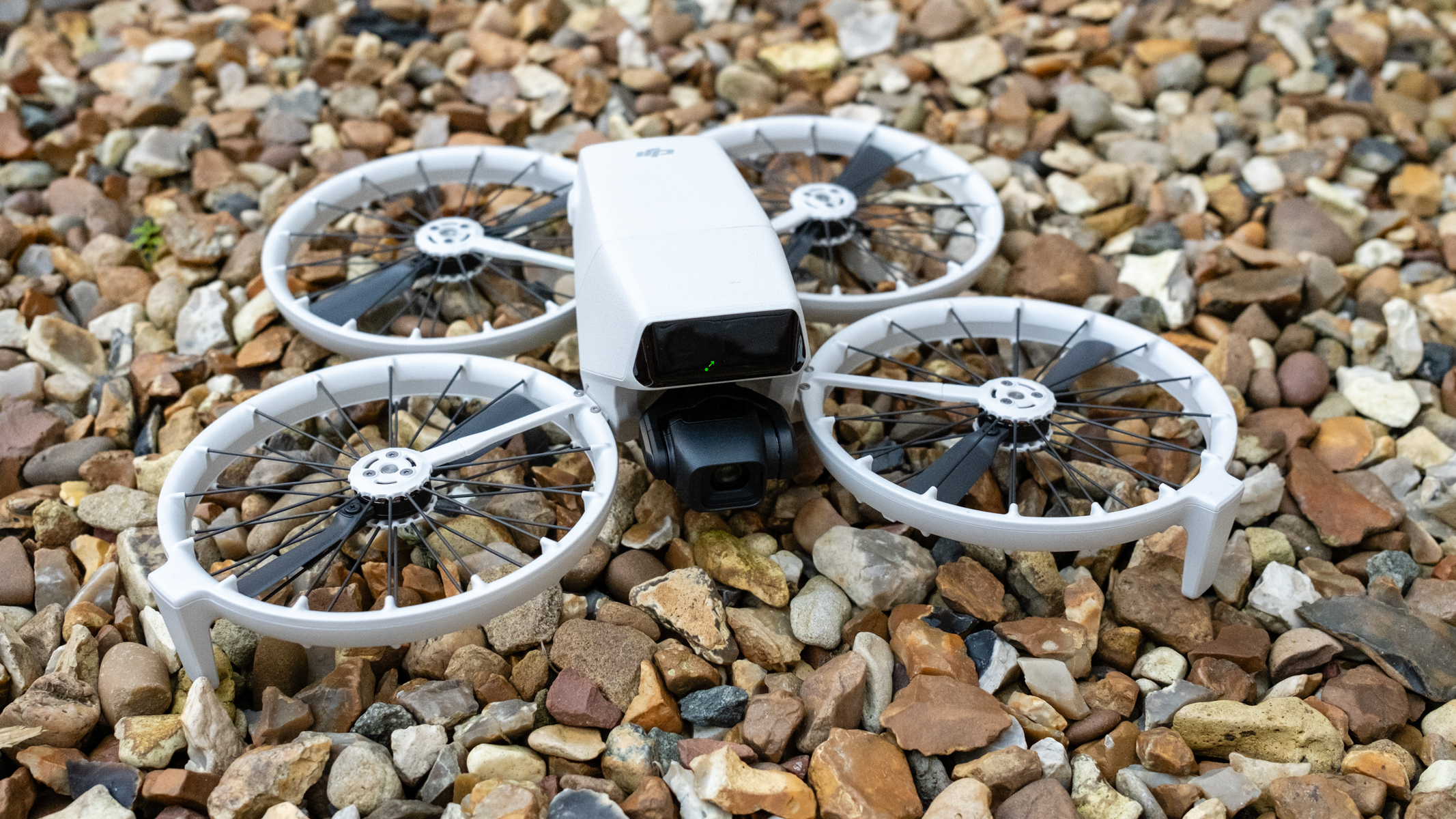
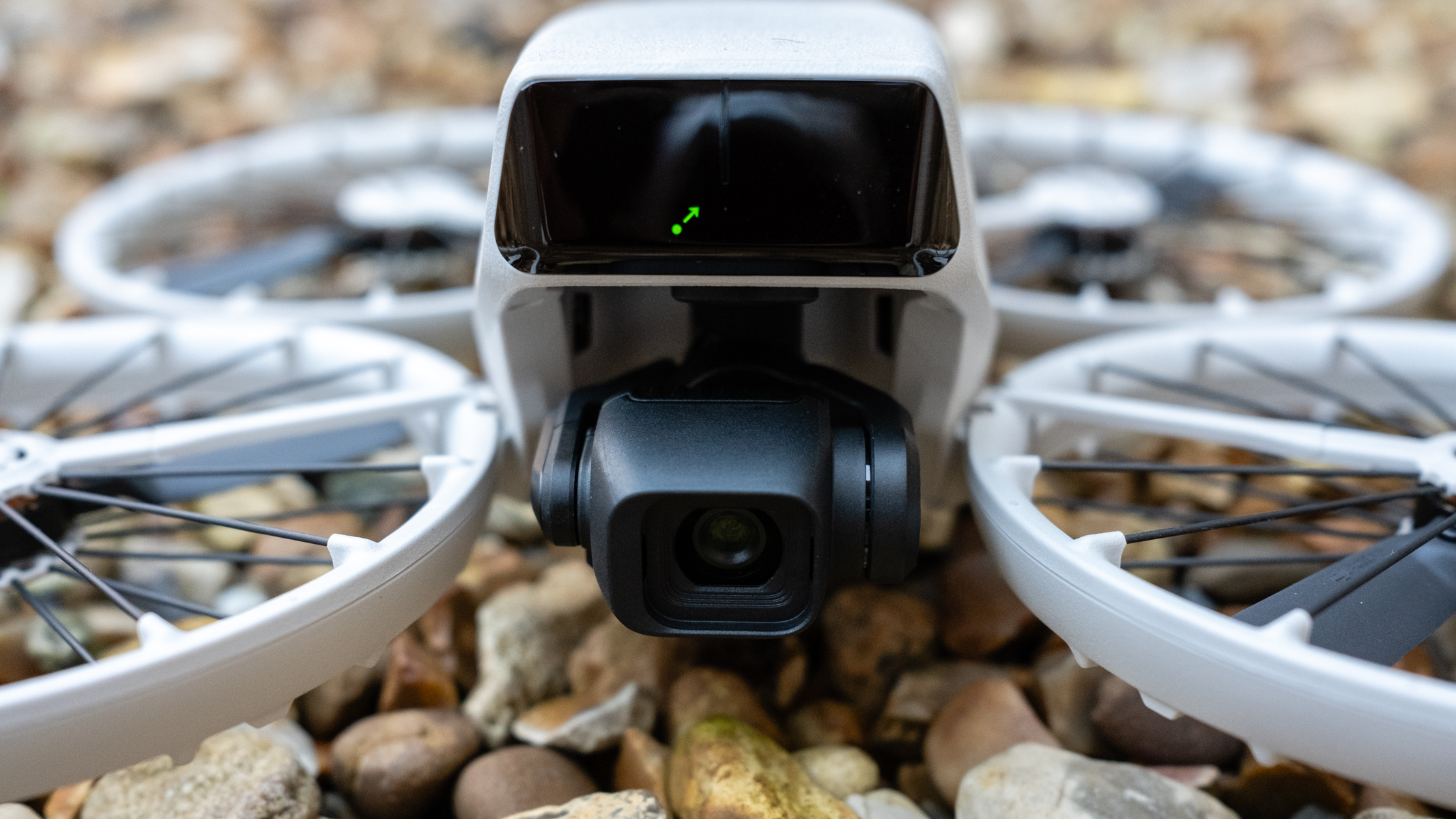
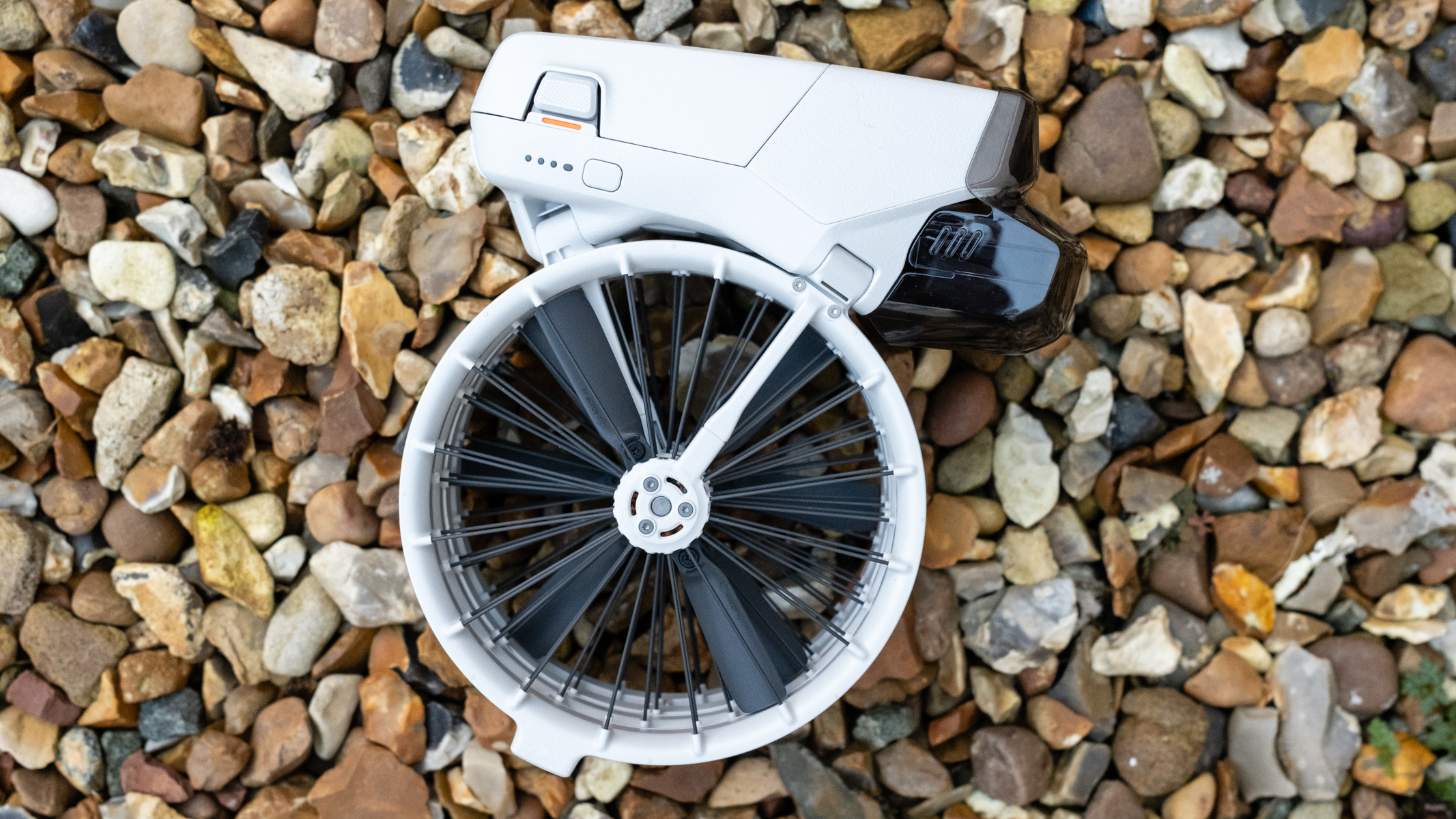
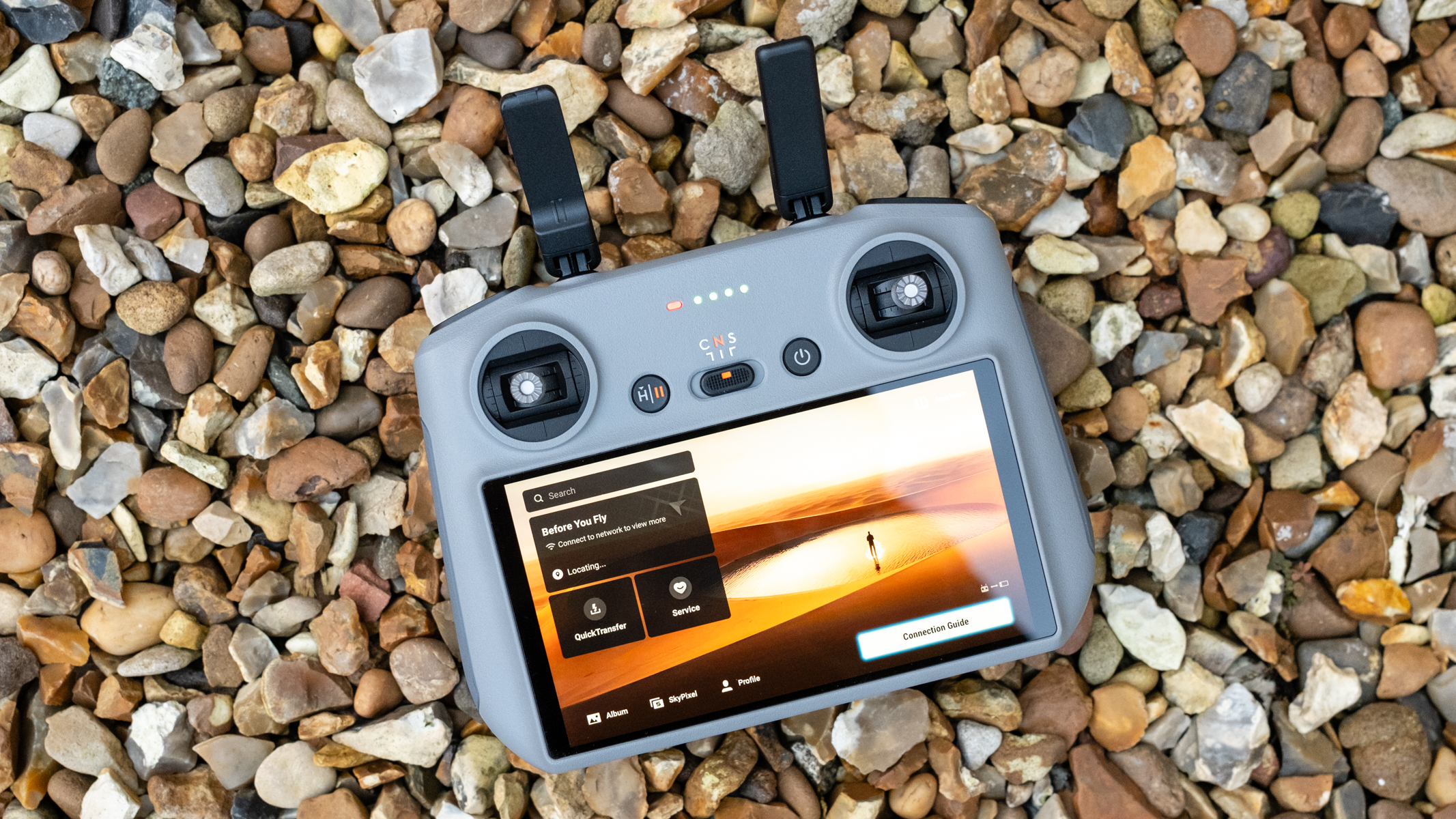
The DJI Flip stands out from the crowd, even from other DJI drones, thanks to its unique design and intelligent multi-use functionality. The Flip can’t quite do everything that all drones are capable of, but it does an impressive job of covering multiple bases.
The Flip features a unique new folding design where four propeller guards fold out from beneath the airframe. The propeller guards help to protect both the drone and people during subject tracking. The drone is quite large for a sub-250g model, but with this low, regulator-friendly weight, U.S. pilots won’t need to register the drone with the FAA for recreational flights.
The Flip features a three-axis mechanical gimbal for smooth footage, while the camera offers a 24 mm equivalent focal length alongside a 12MP/48MP 1/1.3-inch Quad Bayer 4-in-1 sensor. Video can be captured in up to 4K at up to 60 fps in Normal and the 10-bit D-Log M flat color profile, while photos can be captured in Raw and JPEG formats.
The jewel in the Flip’s crown has to be its intelligent flight modes with AI subject tracking. Palm take-off and landing alongside vlogging and camera drone capabilities make it one of the most versatile drones currently available. What’s more, with multiple flight control options, you can approach flights in the best way for your desired outcome.
Attributes | Notes |
|---|---|
Design: | Unique folding design with enclosed propellers. |
Performance: | Good image quality, but it’s not the best for DJI. |
Functionality: | Intelligent flight modes with AI subject tracking. |
Best drones: Frequently Asked Questions
What’s the best size drone?
Keeping things simple, drones typically fall into two main categories: sub-250g models and above.
Larger drones, such as the DJI Mavic 4 Pro have the best cameras and most advanced features, but sub-250g models are much smaller, lighter and less restricted than larger models. What’s more, they often have excellent cameras, even if they’re not as advanced as larger drones.
Which drones are best for beginners?
DJI drones are so easy to use that even more advanced models can be easily flown by absolute beginners. But for many beginners, it will be sub-250g drones that are the best option because they’re the least restricted in most regions.
You could also consider a selfie drone, which has intelligent subject tracking capabilities, as well as the ability to be used as a camera drone.
Should I buy a Fly More bundle?
DJI's Fly More bundles/combos usually include an extra two batteries, additional spare propellers, a battery charging hub and a carry bag or case for the drone. So for many people, what's included is extremely useful and the extra batteries will keep you flying for longer. Bundles are also usually less expensive than buying the included items separately, so you can’t go wrong.
Can drones capture 4K video?
Most modern consumer and prosumer drones can capture 4K video. Some are able to capture up to 6K, but 4K will be plenty for most people. Video file sizes are huge when you go above this, and they can be difficult to manage outside of an expert video workflow.
Many drones can also capture photos in RAW format alongside JPEG, so budding photographers have plenty of scope for editing.
How can I learn about drone laws?
Your drone flights must remain safe and legal to ensure the safety of yourself and others. Plus, breaking the rules could land you with a hefty fine.
All regions' drone laws are slightly different, but checking the website of your country’s aviation authority will provide you with all the information you need. In the U.S., that means the FAA (Federal Aviation Authority), while in the U.K. it’s the CAA (Civil Aviation Authority).
Did the USA ban DJI drones?
The US has not officially banned DJI drones. However, there are ongoing discussions and proposed measures that could potentially lead to a ban in the near future. While there is currently no nationwide prohibition on the sale or use of DJI drones, the US government has implemented restrictions on their use due to national security concerns.
What happens if I fly a drone without a license?
You can get into trouble with the FAA for flying an unregistered drone and have to pay a hefty fine. Always check the rules and restrictions in your area before flying a drone, even if your drone weighs under 250 g.
Do I need to register my drone?
All drones weighing over 250 g need to be registered with the FAA (USA) or the CAA (UK). Ensure you read up on drone laws before you fly.
How high can a drone fly?
It varies, but most recreational drones are limited to a maximum altitude of 400 feet (122 m) above ground level due to FAA regulations.
How long does a drone battery last?
The battery life of most drones typically ranges from 15 to 30 minutes. However, certain high-end models can fly for over an hour. The actual flight time depends on factors such as battery size, drone design and flight conditions.
How we tested the best drones
How we test the best drones

Drones are tested by our expert staff and freelance contributors who have a wealth of drone, photography and video knowledge and experience. Every drone test follows strict real-world testing, where every feature and all functions are tested to assess overall performance, and to fact-check the marketing hype.
For camera performance and image quality, a wide variety of test photos and videos are captured to assess sharpness, color rendition and ISO handling. All testing is conducted within the context of the type of drone being reviewed to ensure fairness, since higher-end drones will always be the best (although that doesn’t mean they’re necessarily the best option for you).
With complete editorial independence, Live Science is here to ensure you get the best buying advice on drones, whether you should purchase one or not and which model might be best for you. This makes our buying guides and reviews reliable and transparent.