
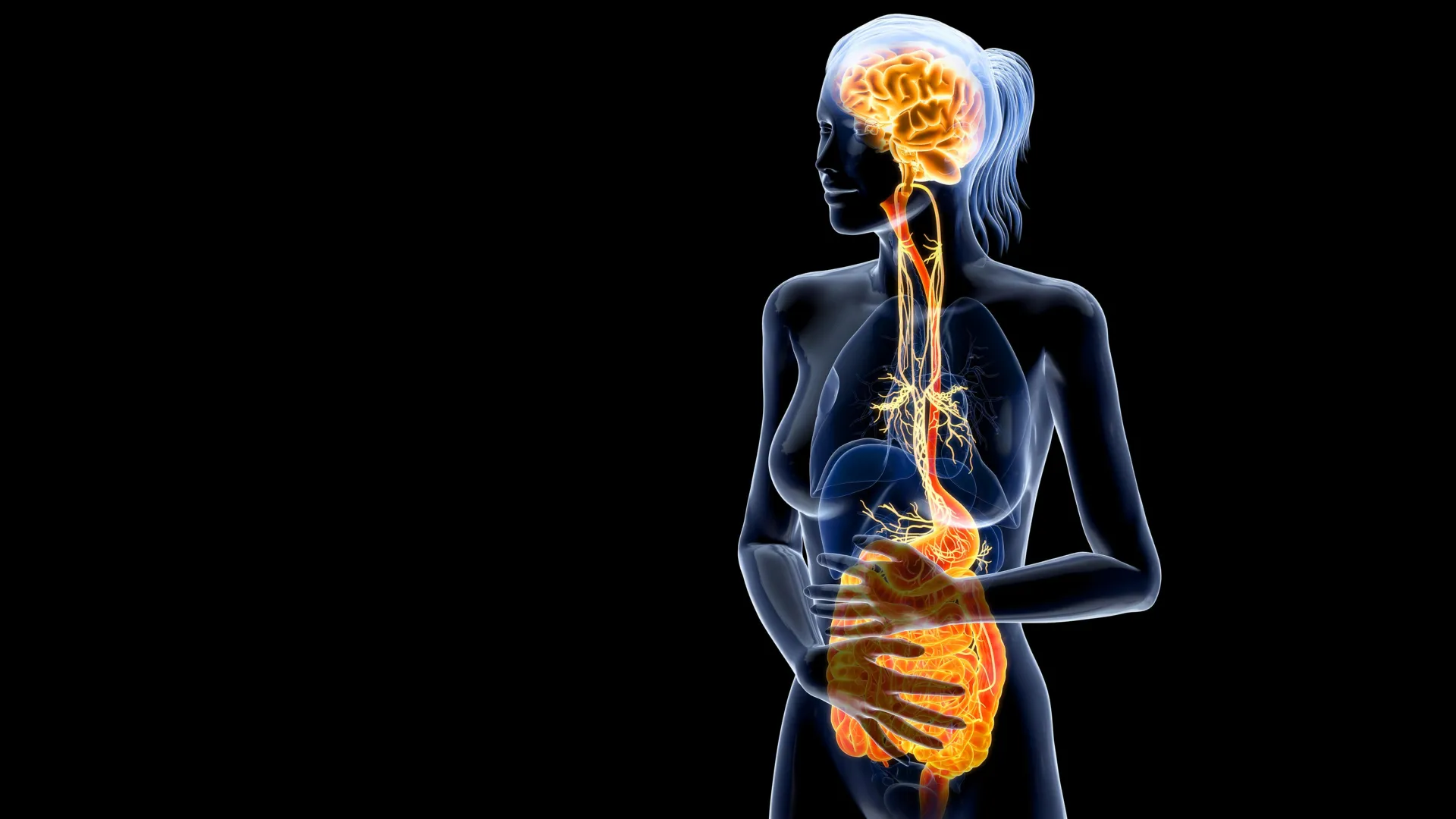
A new international study confirmed a significant post-pandemic rise in disorders of gut-brain interaction, including irritable bowel syndrome (IBS) and functional dyspepsia, according to the paper published in Clinical Gastroenterology and Hepatology.
Building on prior research, investigators used Rome Foundation diagnostic tools to analyze nationally representative samples from both 2017 and 2023 -- offering the first direct, population-level comparison of disorders of gut-brain interaction prevalence before and after the COVID-19 pandemic.
Key findings:
- Overall disorders of gut-brain interaction rose from 38.3% to 42.6%.
- IBS jumped 28%, from 4.7% to 6%.
- Functional dyspepsia rose by nearly 44%, from 8.3% to 11.9%.
- Individuals with long COVID were significantly more likely to have a disorder of gut-brain interaction and reported worse anxiety, depression, and quality of life.
This is the first population-level study to directly compare rates of disorders affecting gut-brain interaction before and after the pandemic, using a consistent methodology. It adds weight to growing calls for updated care models and more research into the gut-brain axis in the post-COVID era.
Irritable bowel syndrome
Irritable bowel syndrome (IBS) is a chronic gastrointestinal disorder that affects the large intestine, characterized by a group of symptoms that commonly include abdominal pain, bloating, and changes in bowel habits such as diarrhea, constipation, or both. Although it does not cause permanent damage to the intestines or lead to more serious conditions, IBS can significantly impact quality of life. The exact cause is not fully understood, but contributing factors may include gut-brain axis dysregulation, altered gut motility, intestinal inflammation, changes in gut microbiota, and heightened sensitivity to certain foods or stress. Diagnosis is typically based on clinical criteria (such as the Rome IV criteria), and treatment often involves dietary modifications, stress management, and symptom-targeted medications.
Functional dyspepsia
Functional dyspepsia is a common chronic disorder that affects the upper digestive tract, causing symptoms such as persistent or recurring pain or discomfort in the upper abdomen, early satiety (feeling full quickly), bloating, and nausea, without an identifiable structural or biochemical cause on standard diagnostic tests. It is considered a disorder of gut-brain interaction, where altered gastrointestinal motility, visceral hypersensitivity, psychosocial factors, and possibly low-grade inflammation contribute to symptom generation. Functional dyspepsia is diagnosed based on clinical criteria, such as the Rome IV guidelines, after ruling out other conditions like peptic ulcers or gastroesophageal reflux disease (GERD). Management typically includes dietary and lifestyle modifications, psychological therapies, and medications such as proton pump inhibitors, prokinetics, or antidepressants, depending on symptom profile and severity.