
While we have a list of the best fitness trackers around, it would be fair to say there’s no ‘one-size-fits-all’ offering, particularly if you’re new to using a smartwatch for tracking your fitness goals.
With every brand having a whole host of models, and there being dozens of brands to choose from in the first place, it’s not always easy to establish where to start. Then there’s the dilemma of price — an all-singing, all-dancing Garmin or Apple Watch model might be the best on paper, but they don’t come cheap.
Thankfully, we’re here to take some of the confusion out of the equation, offering our best fitness trackers for beginners as well as what makes an ideal first model for newcomers to running, visiting the gym, or just step-tracking.
The quick list
See the quick list below for a short overview of our favorite fitness trackers for beginners, and look further below on this page to find a deeper dive into each.
The best fitness trackers for beginners we recommend in 2025
Why you can trust Live Science Our expert reviewers spend hours testing and comparing products and services so you can choose the best ones for you. Find out more about how we test.
Best beginner-friendly fitness tracker for iOS users
Image 1 of 1
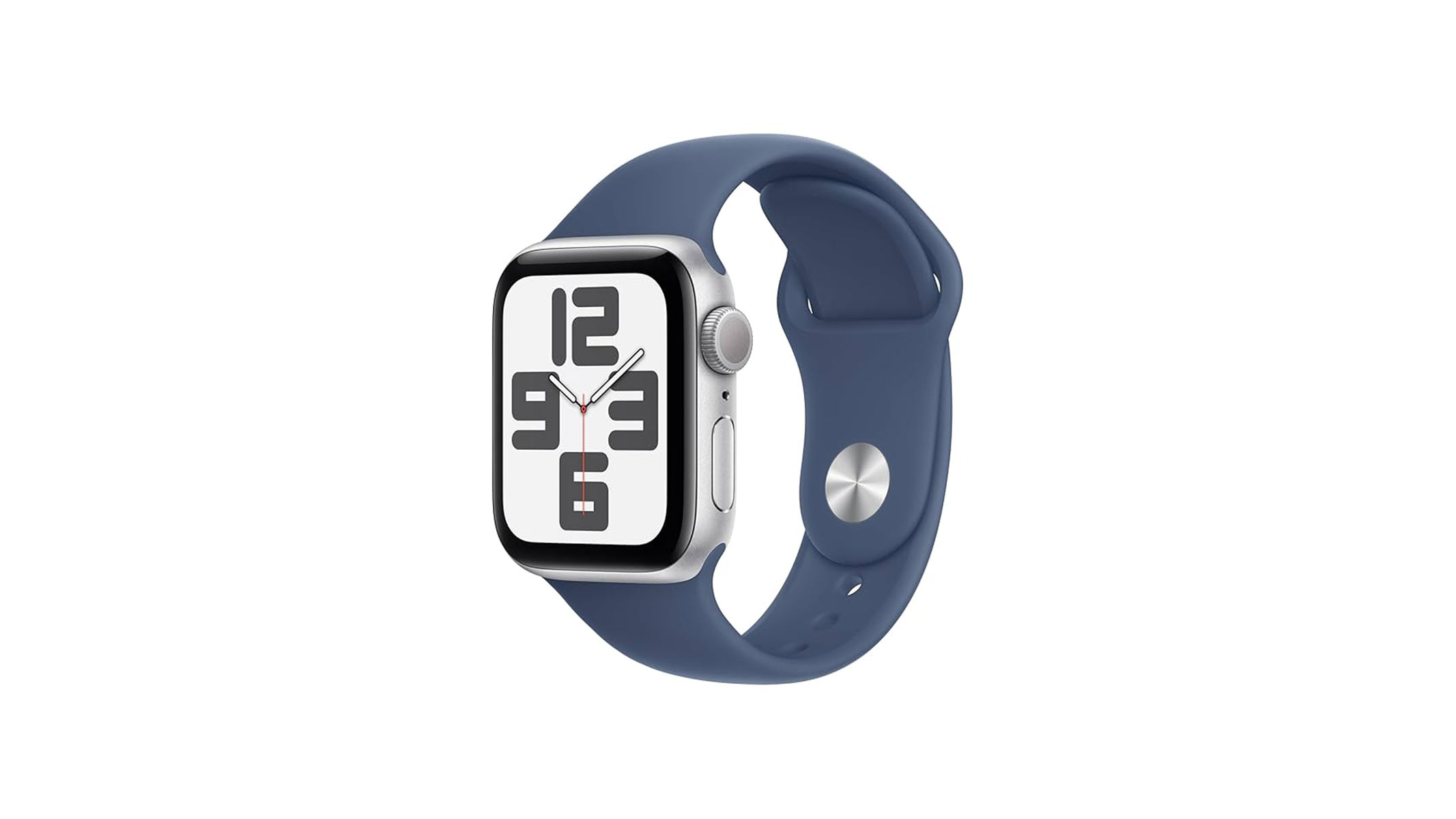
We’ll start with an Apple Watch because if you’ve got an iPhone, it’ll naturally be of interest (more on OS compatibility later), but it’s also worth noting that the 2nd generation Apple Watch SE is currently almost three years old and seemingly due for an update.
In any case, it’s a comfortable watch that has access to a whole host of apps thanks to watchOS, which lets it run the likes of Strava and other apps natively, while also being light and easy to wear all day.
It’s worth noting that Apple Watch models are less fitness trackers and more smartwatches (and there is a difference). Apple Watch SE 2nd Gen is able to run a whole host of apps, but that comes at the cost of battery life.
So, while it can deal with sleep tracking and counting your steps, it will need to be charged at the end of each day. If you’re looking for something more focused on health and wellbeing, which doesn’t need more advanced features, another option on this list might be more appropriate.
Best budget smartwatch for beginners
Image 1 of 6
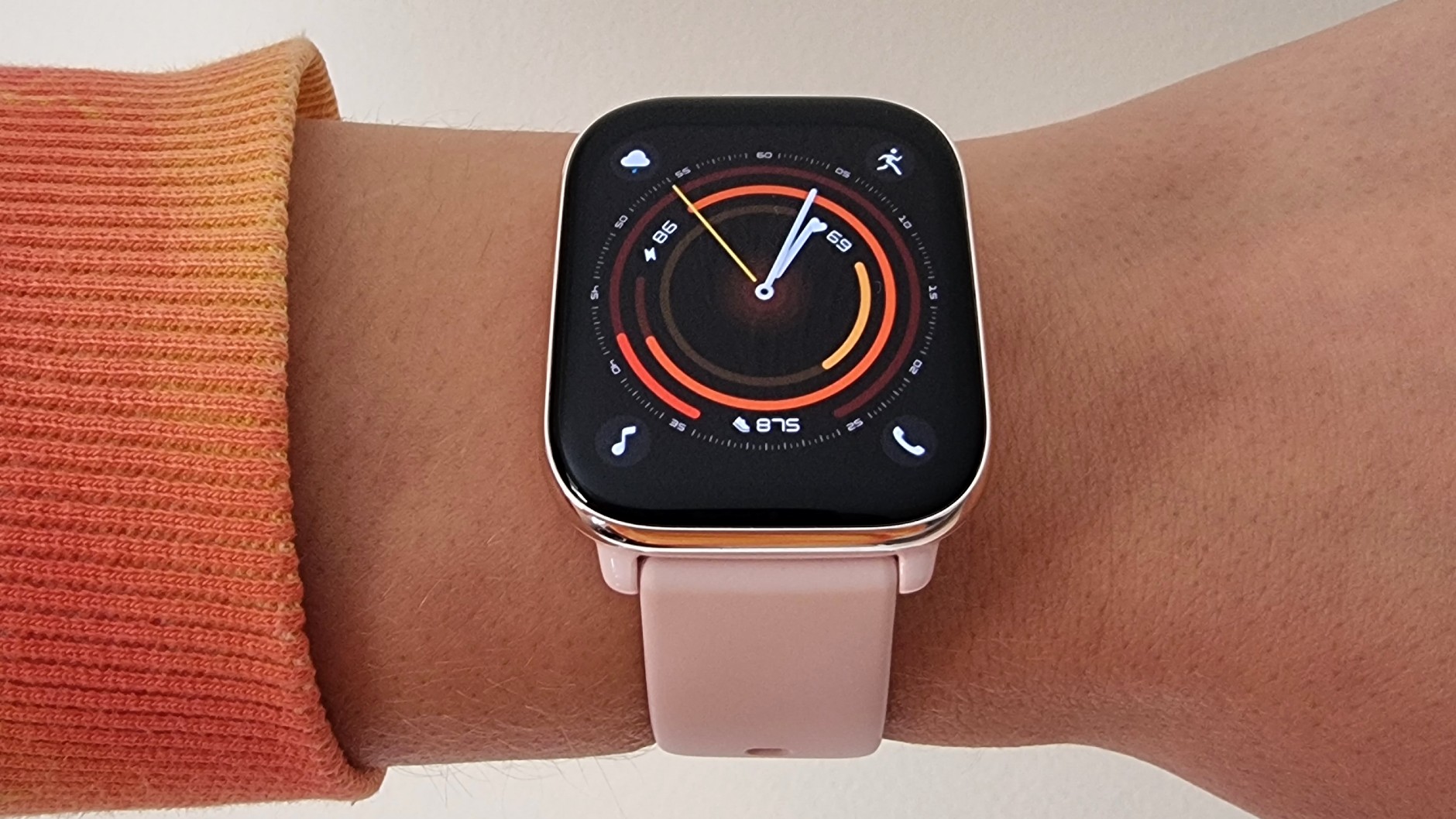
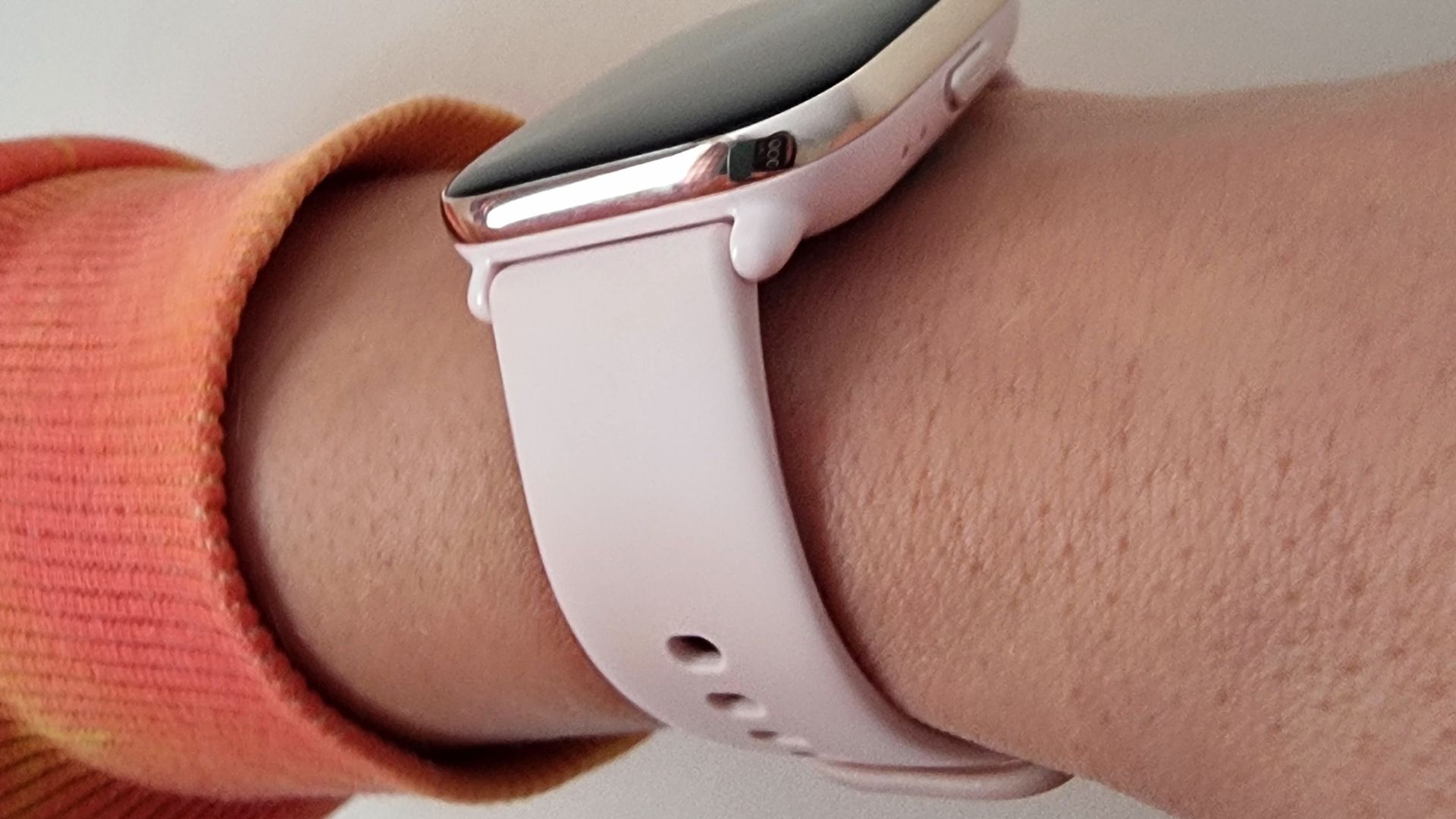
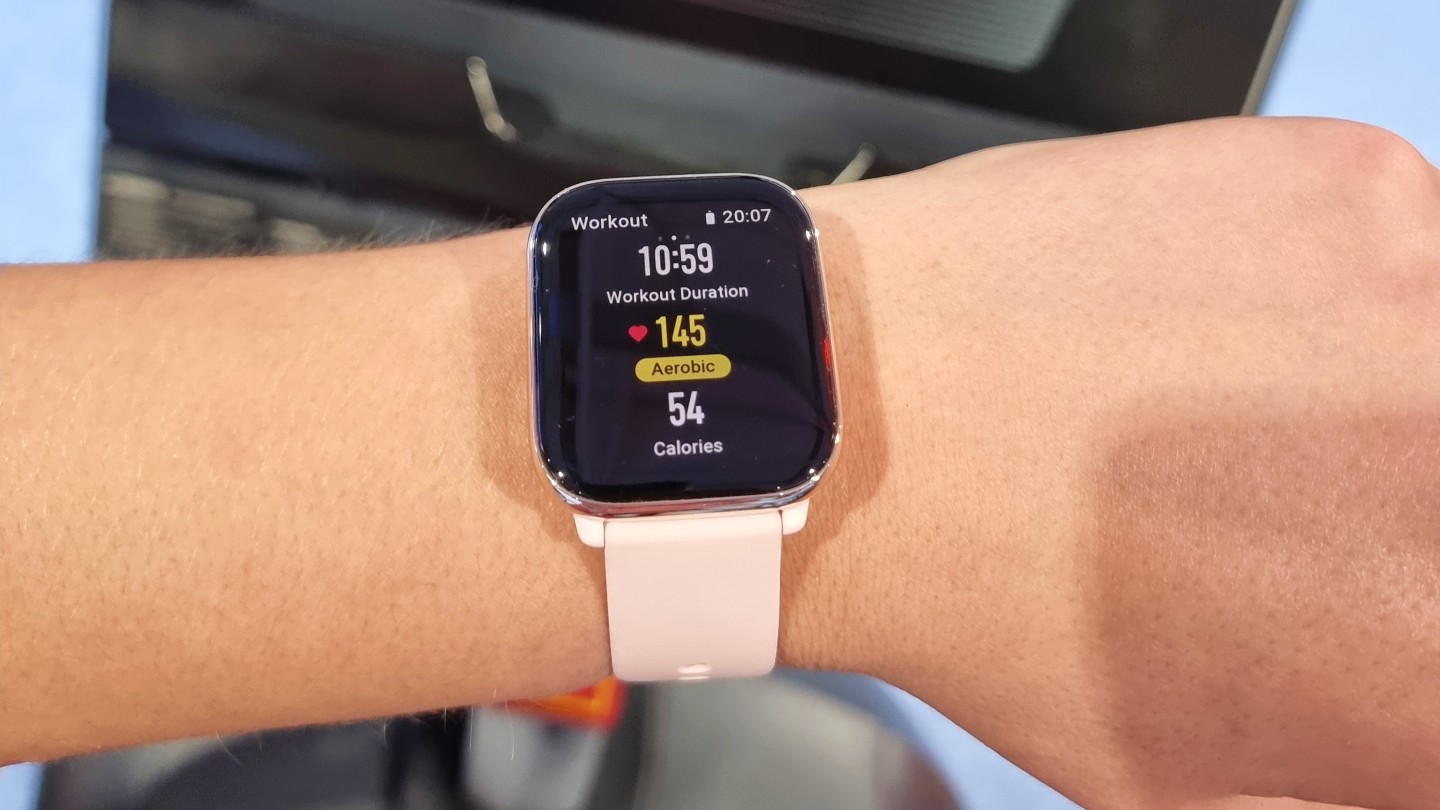
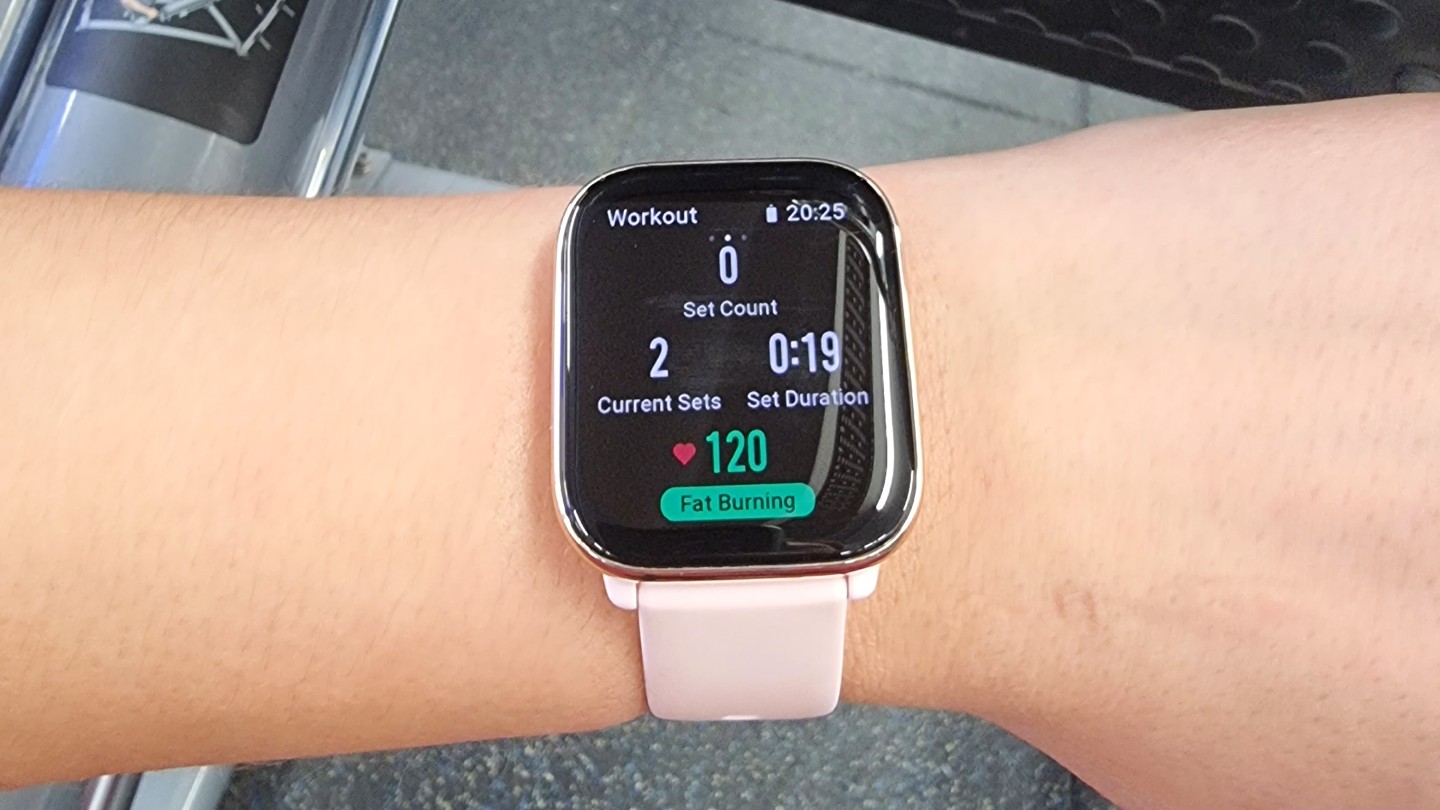
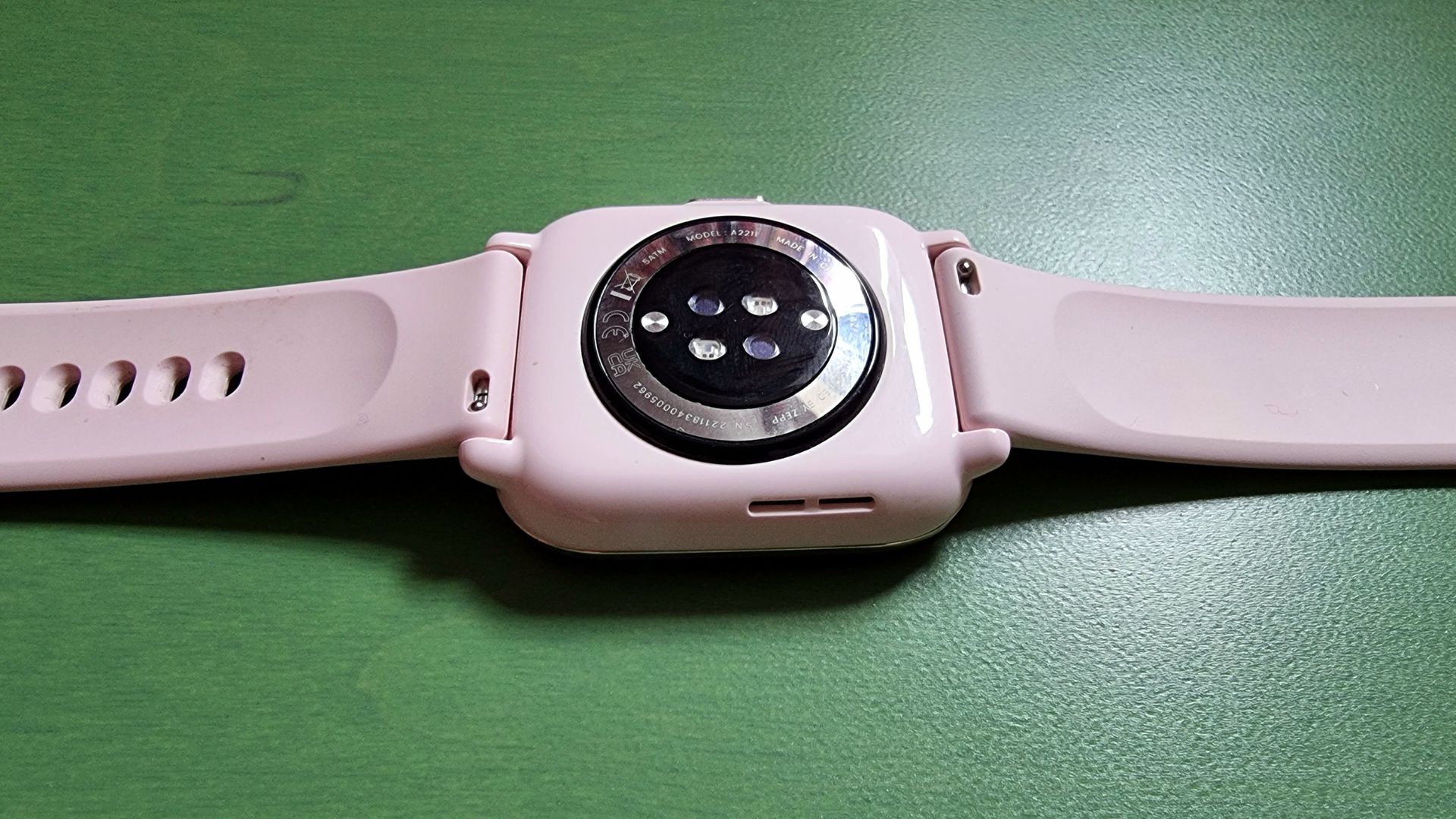
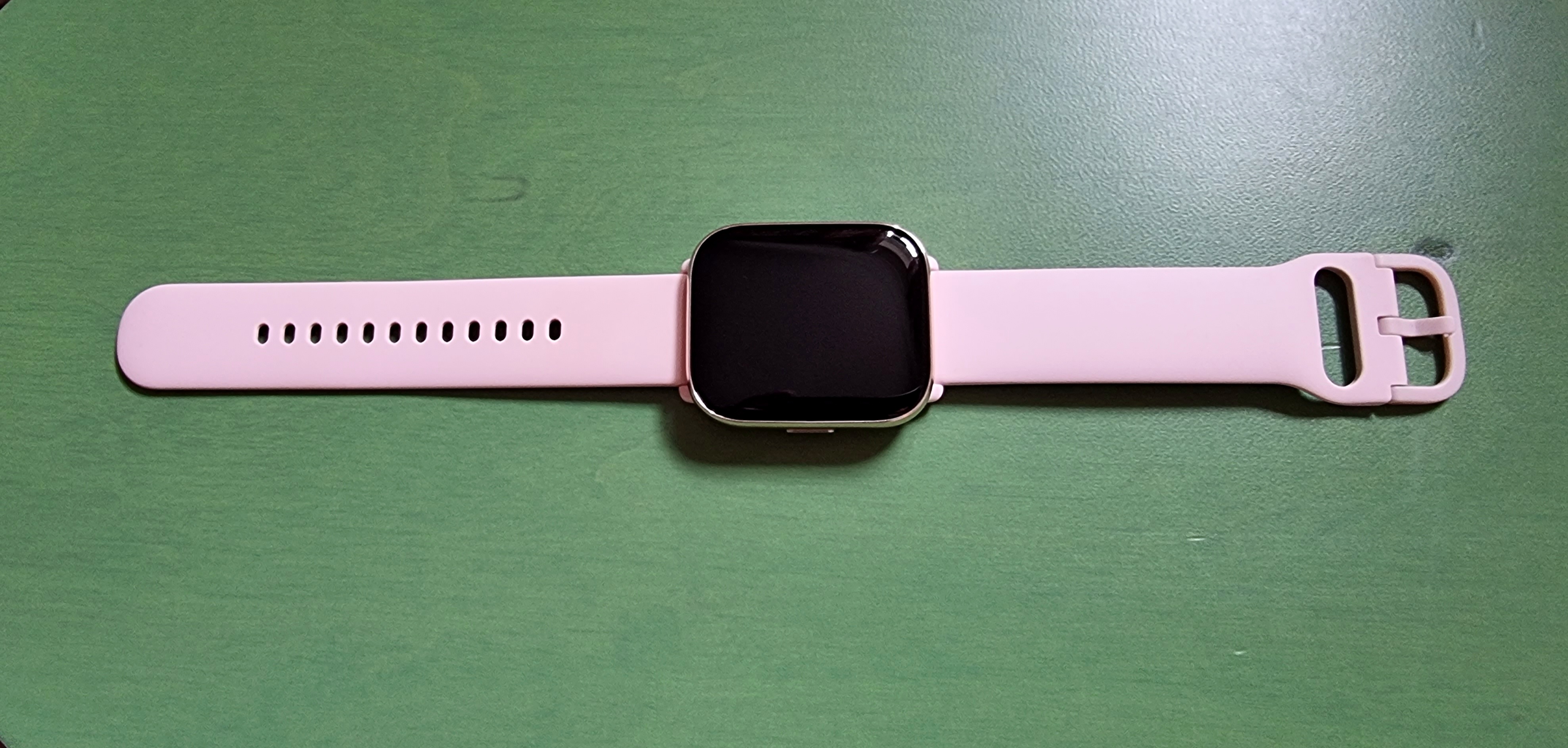
We’re following up with the Amazfit Active because, at quick glance, you could be forgiven for thinking it’s an Apple Watch at a massively reduced price.
It has much better battery life, too, running for a whole month before needing a charge, it’s light as a feather, and it’s a very accurate tracker, too. The design is perhaps a little cheap to the touch, but that’s perhaps to be expected at this price point.
It’s easy to set up, and comes in much cheaper than many of its rivals on this list, but it’s worth considering that cheaper construction if you’re planning to run a more intense trail. If you were to fall, or you’re expecting tougher conditions, you might find the materials used don’t stand up to scrutiny.
Read more: Amazfit Active review
Best affordable Garmin watch for beginners
Image 1 of 7
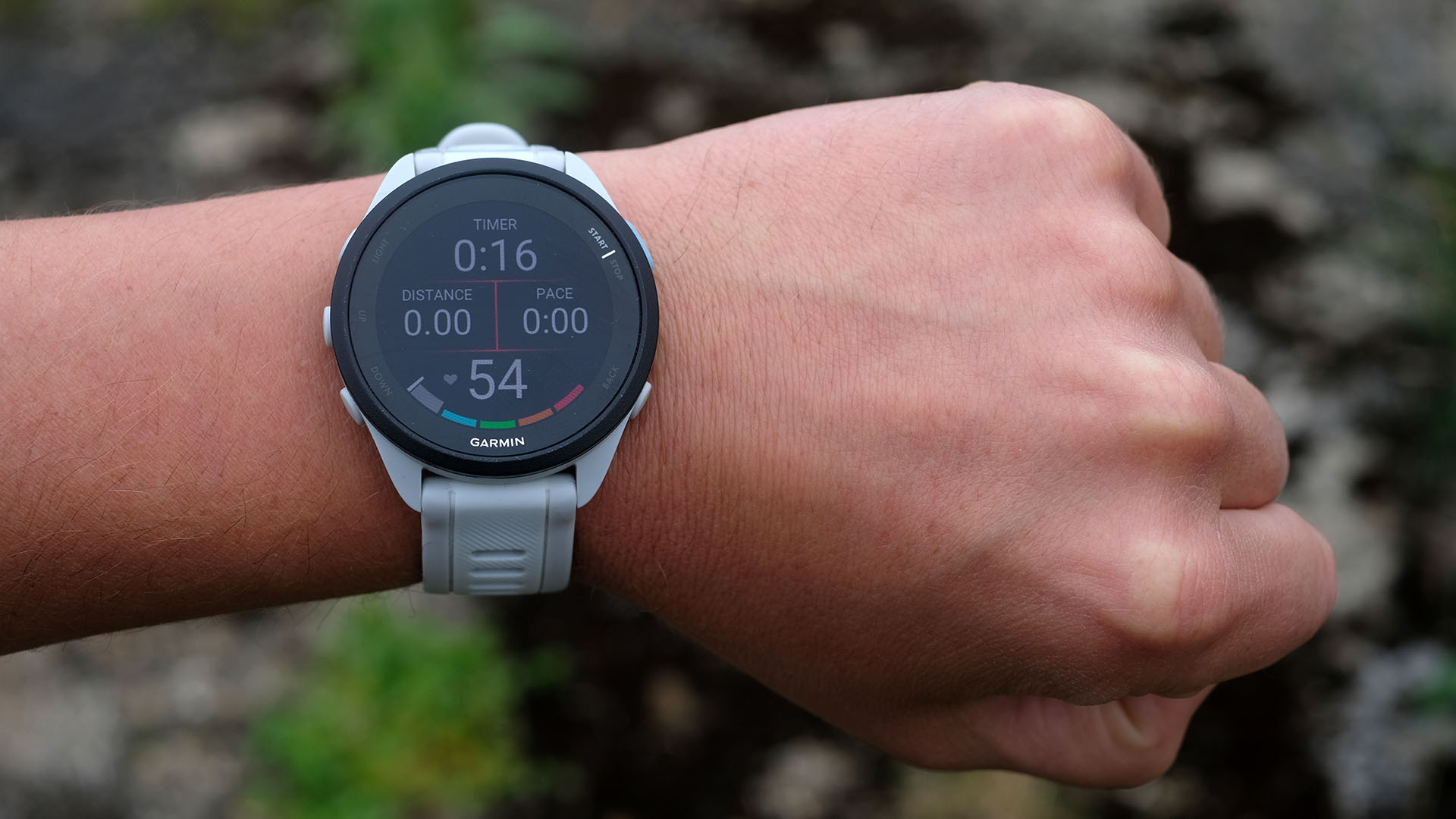
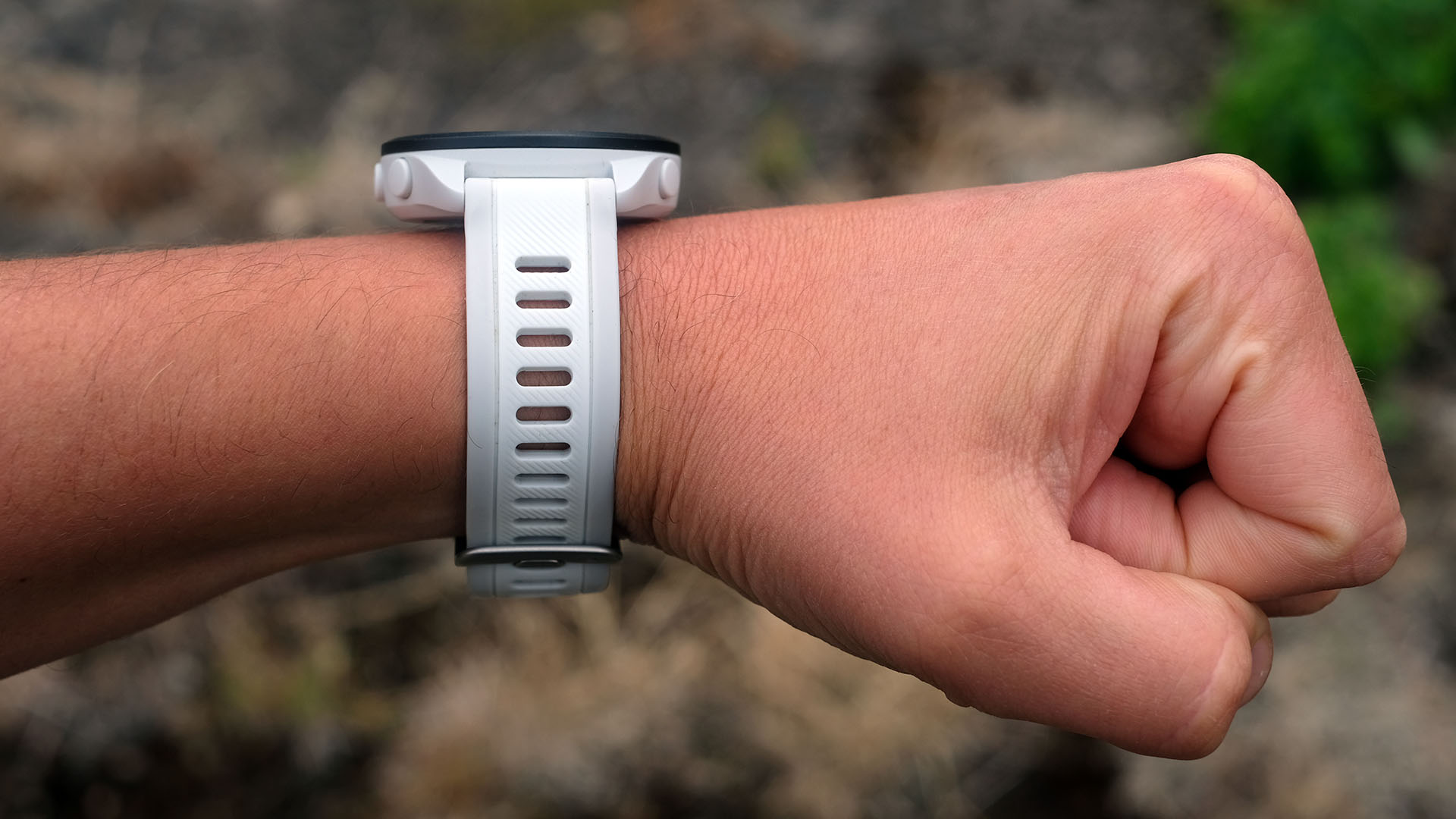
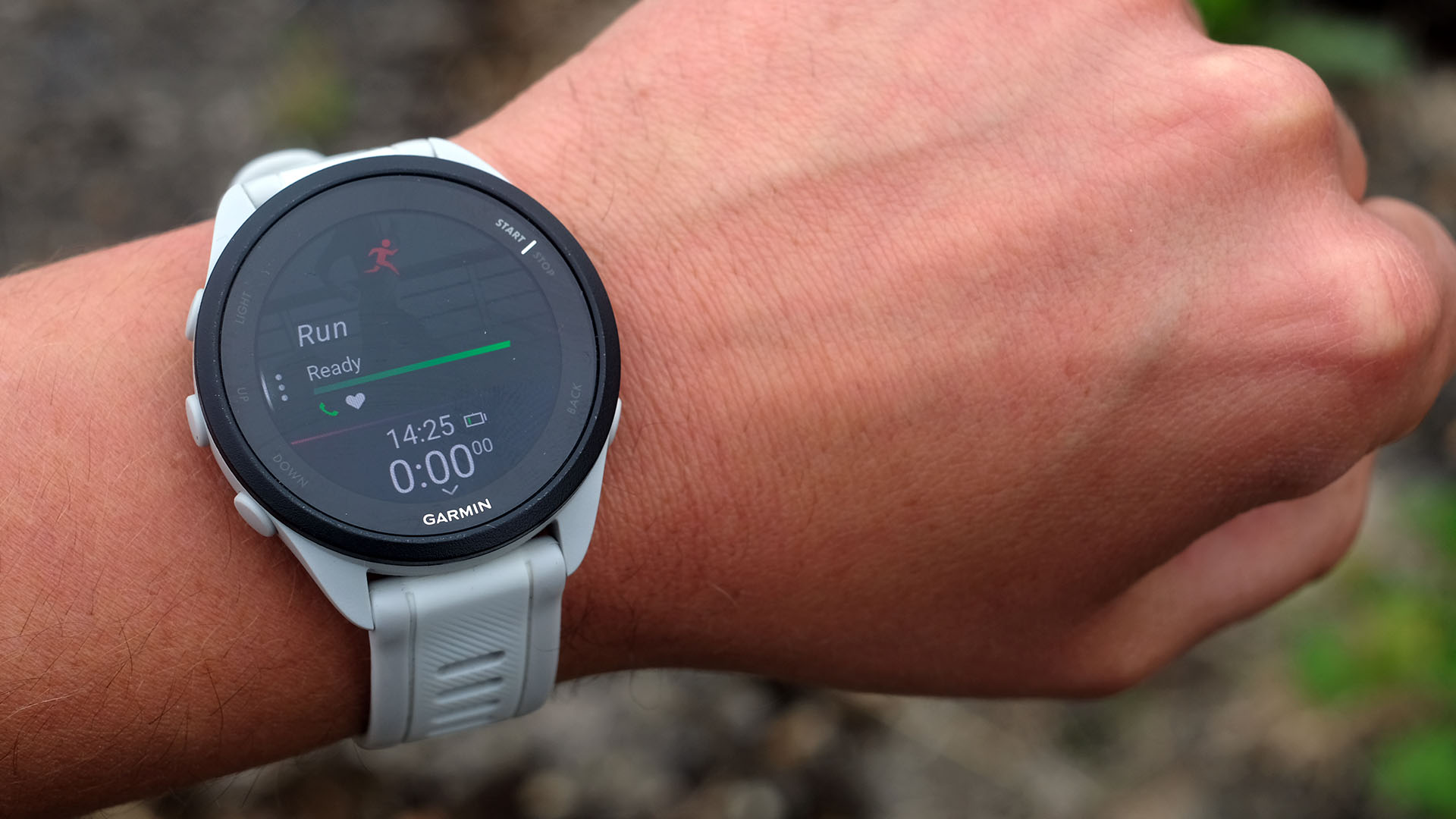
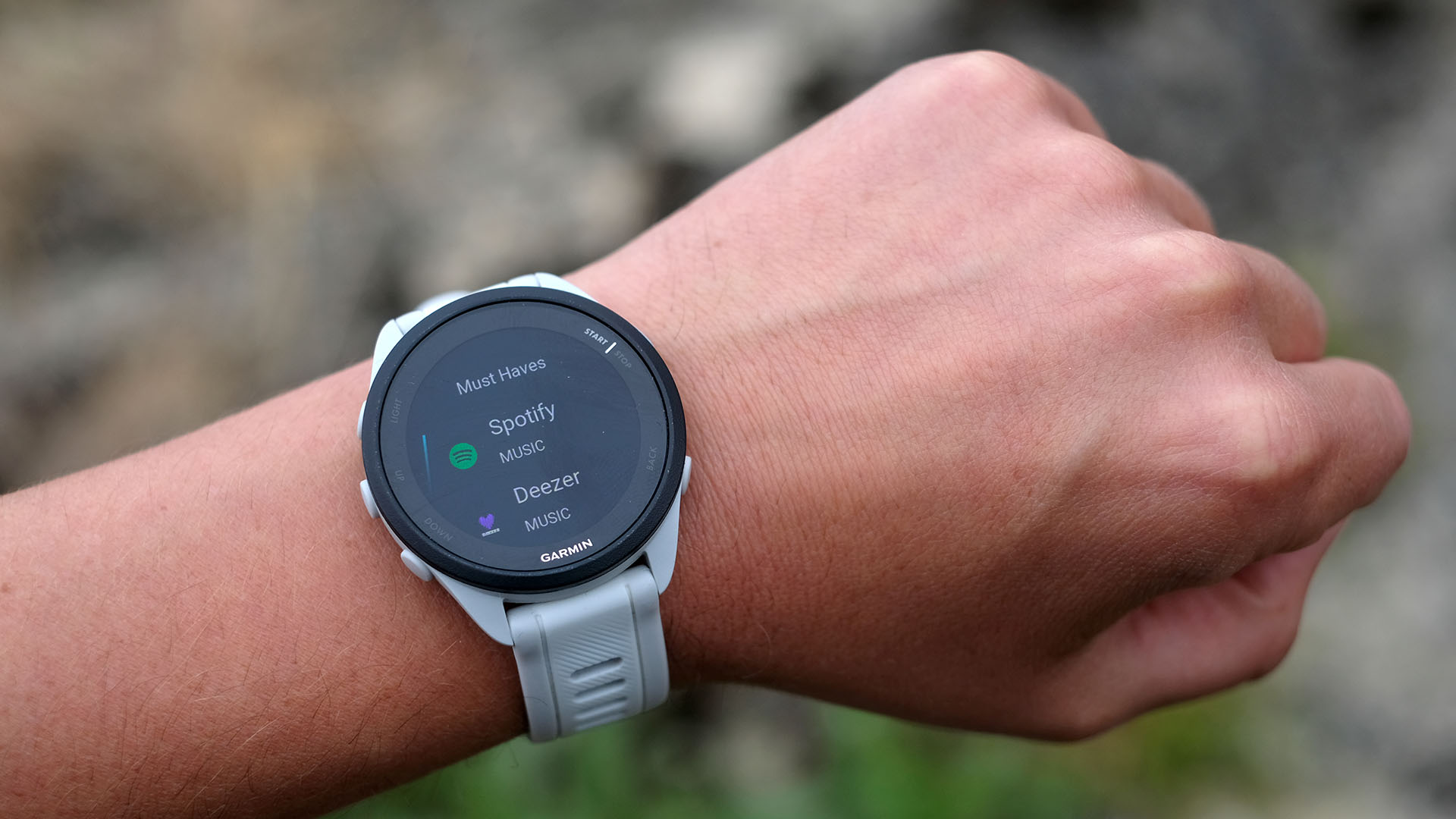
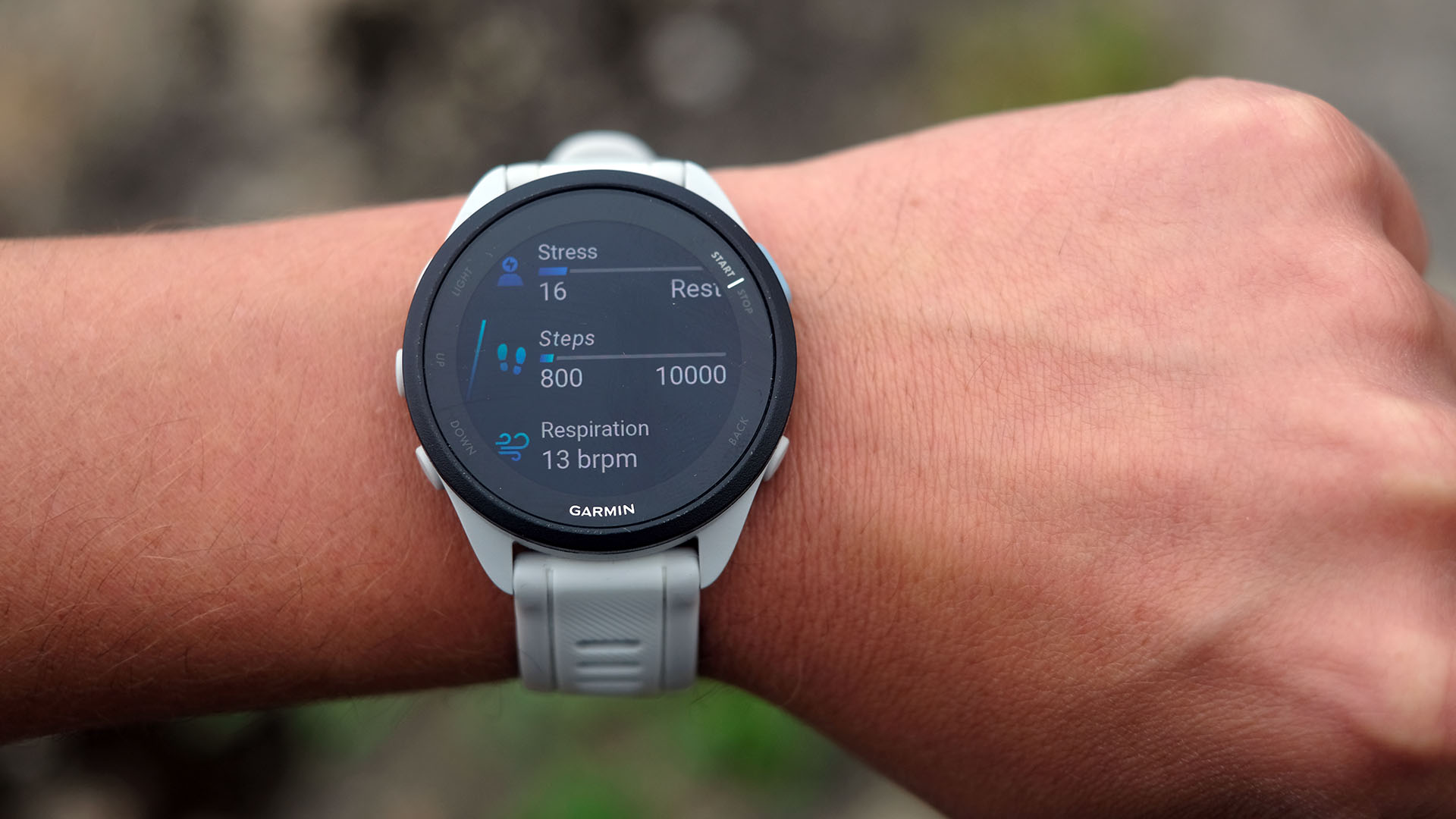
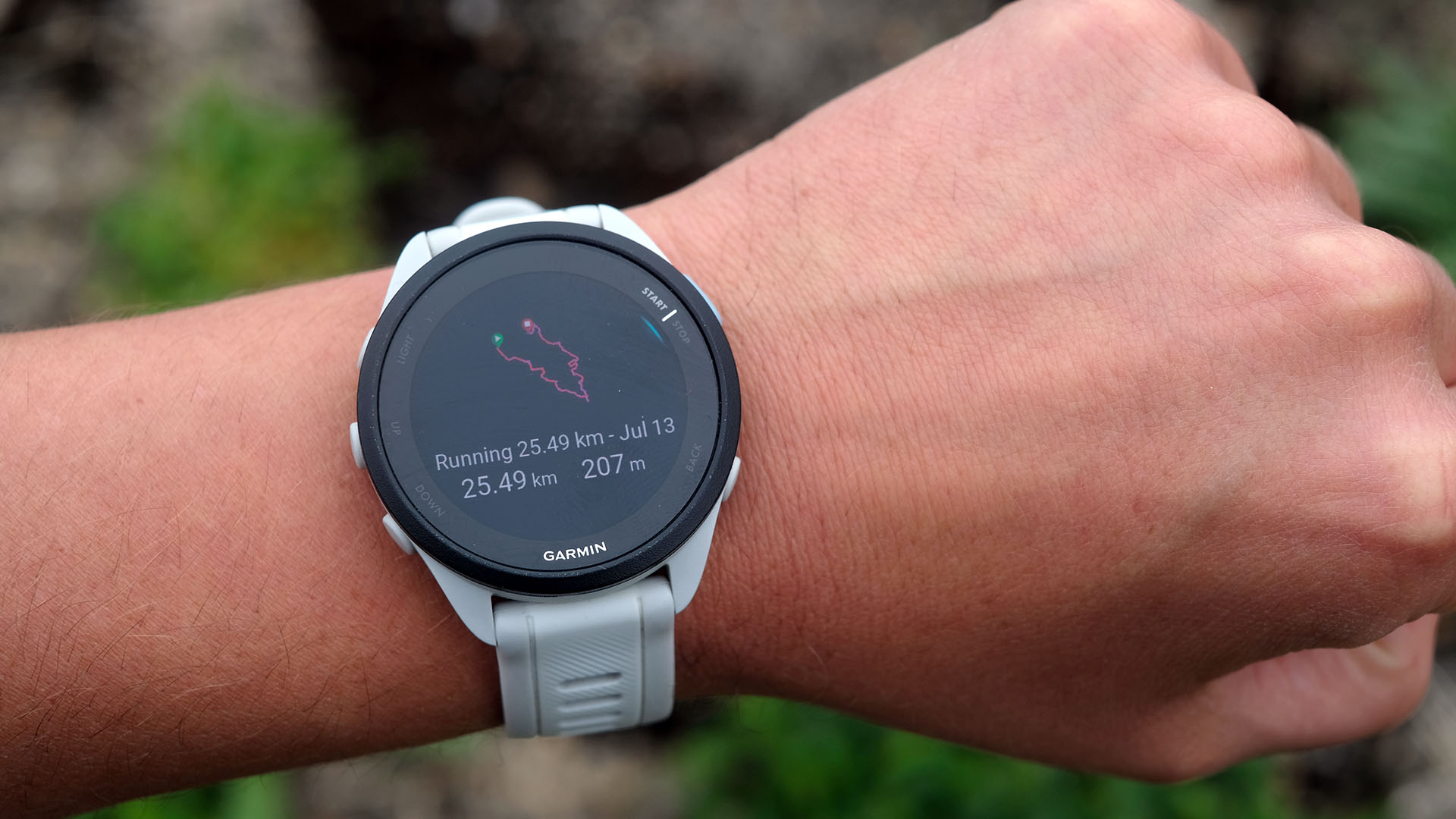
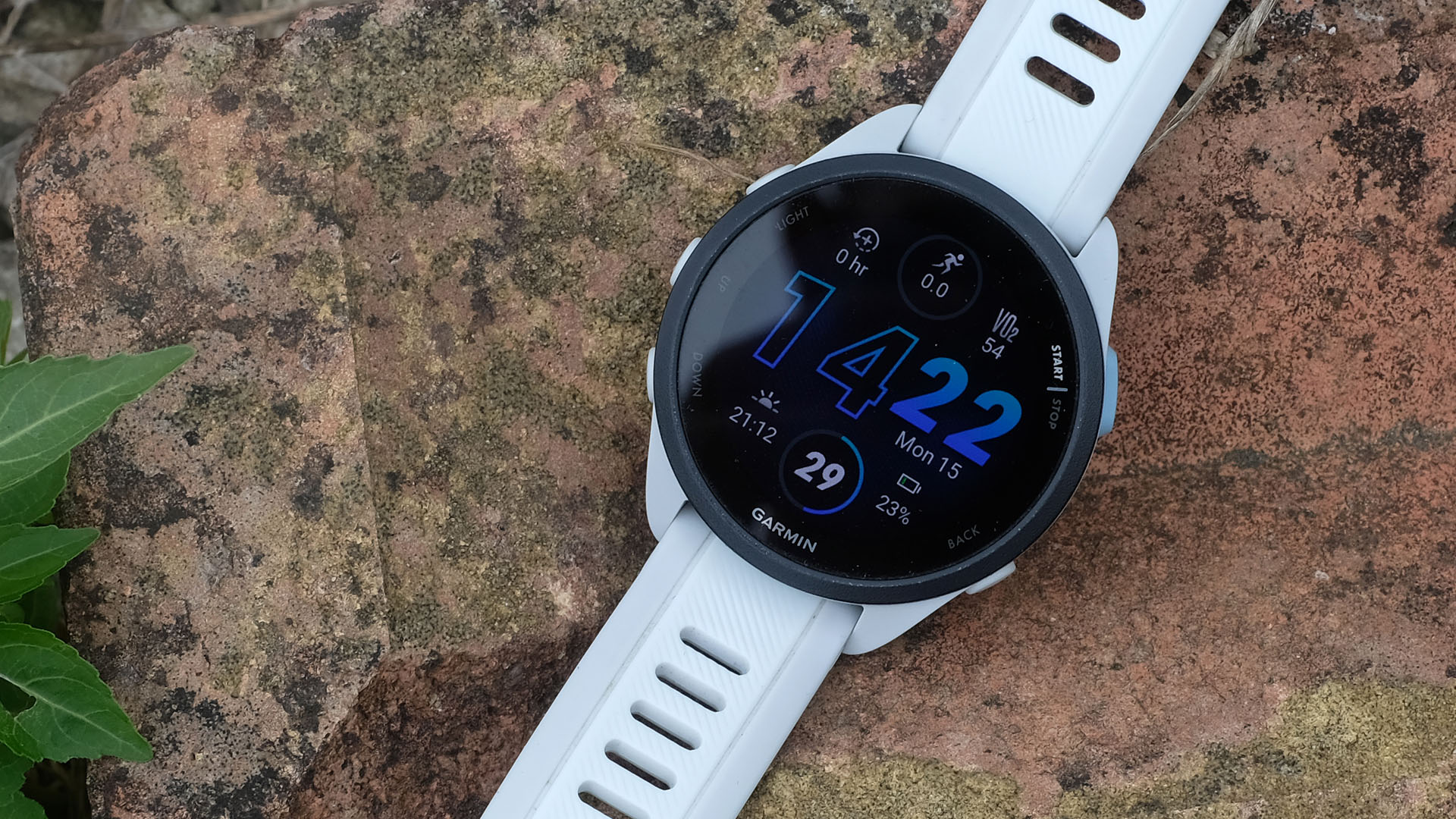
Garmin’s fitness trackers have grown consistently in quality (and popularity) in recent years, but they’ve also gotten a fair bit pricier at the top end.
Thankfully, the Forerunner 165 is an ideal starter watch. It melds the manufacturer’s excellent GPS and heart-rate tracking with a big, easy-to-read OLED display, while keeping the price down at around £250/$250 (although it’s often discounted).
You can add music storage with the 165 Music variant, but it’ll cost you to do so. It’s still not exactly what we’d call “cheap”, despite being much more affordable than its siblings.
Still, it keeps many of the Garmin training features and that all-important GPS tech without breaking the bank.
Read more: Garmin Forerunner 165 review.
Best beginner-friendly fitness tracker for streaming music
Image 1 of 6
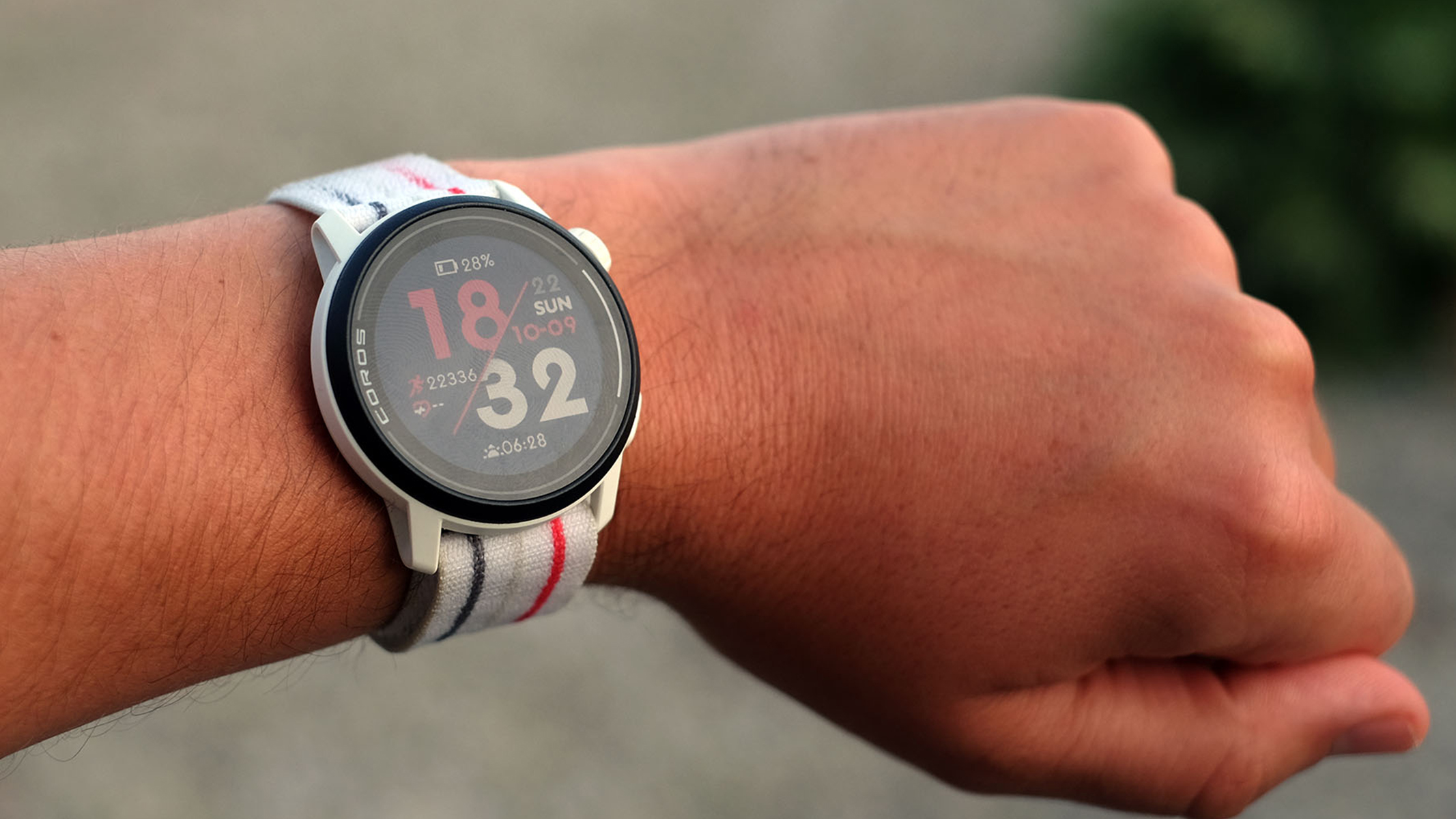
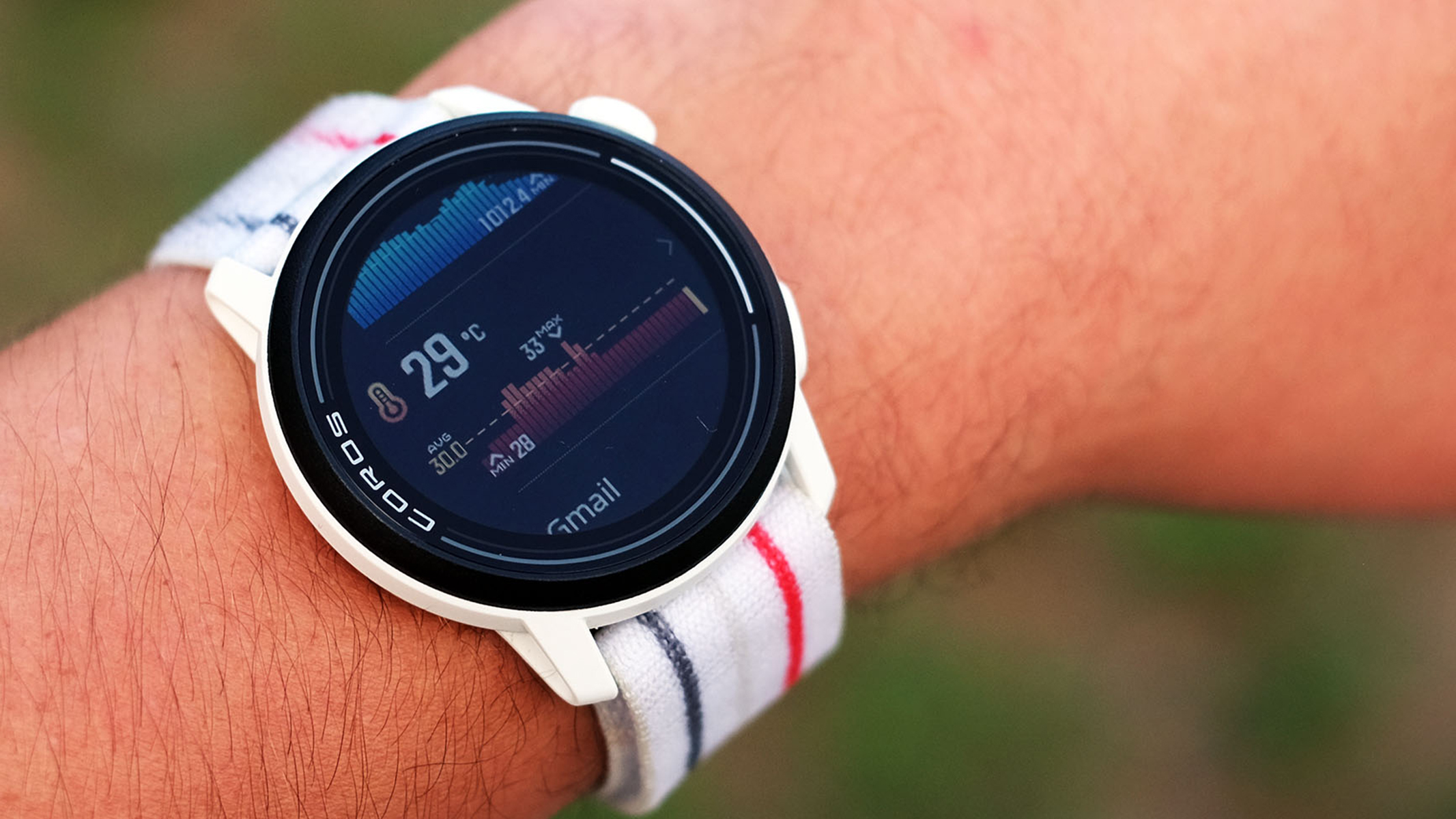
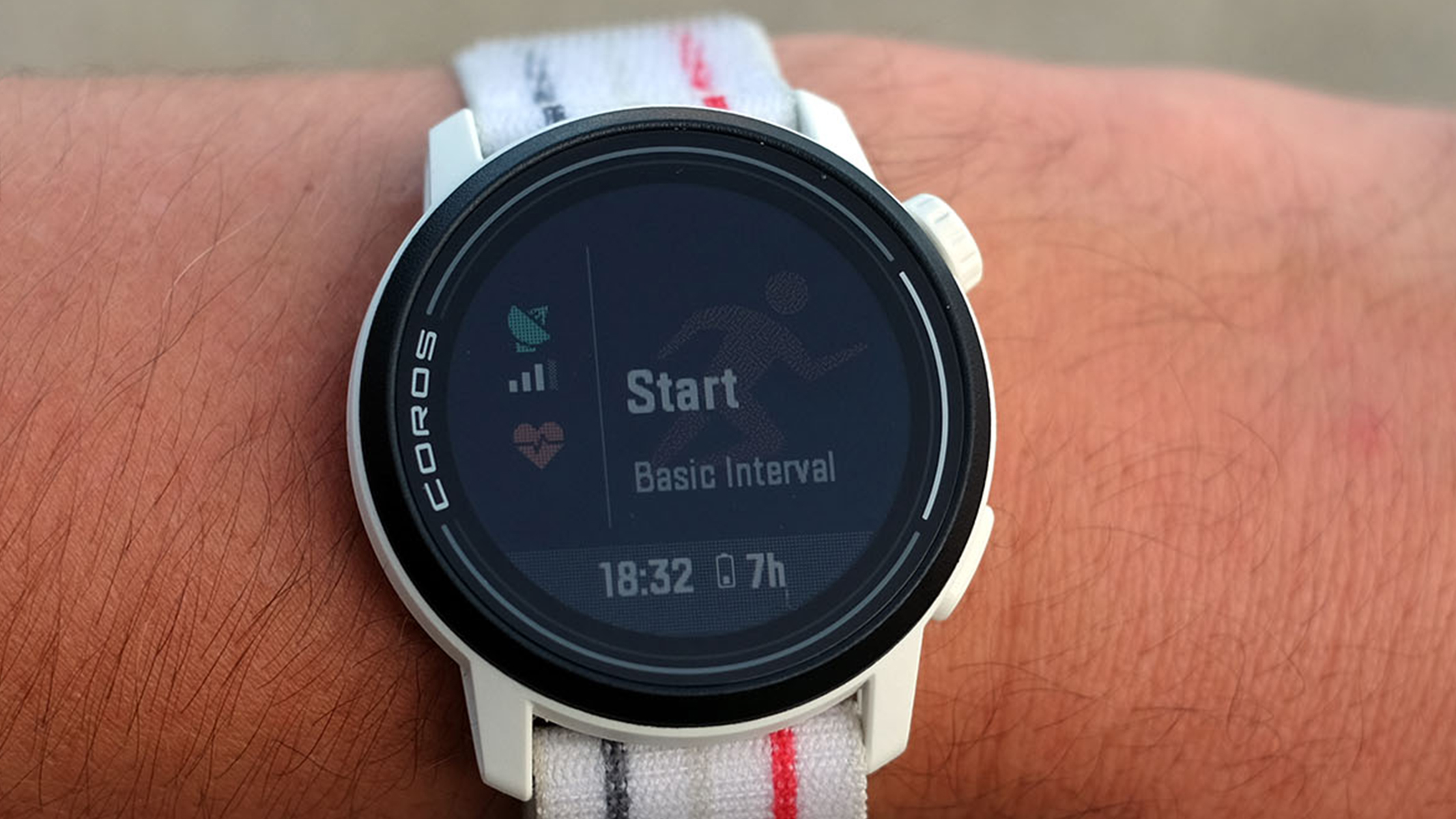
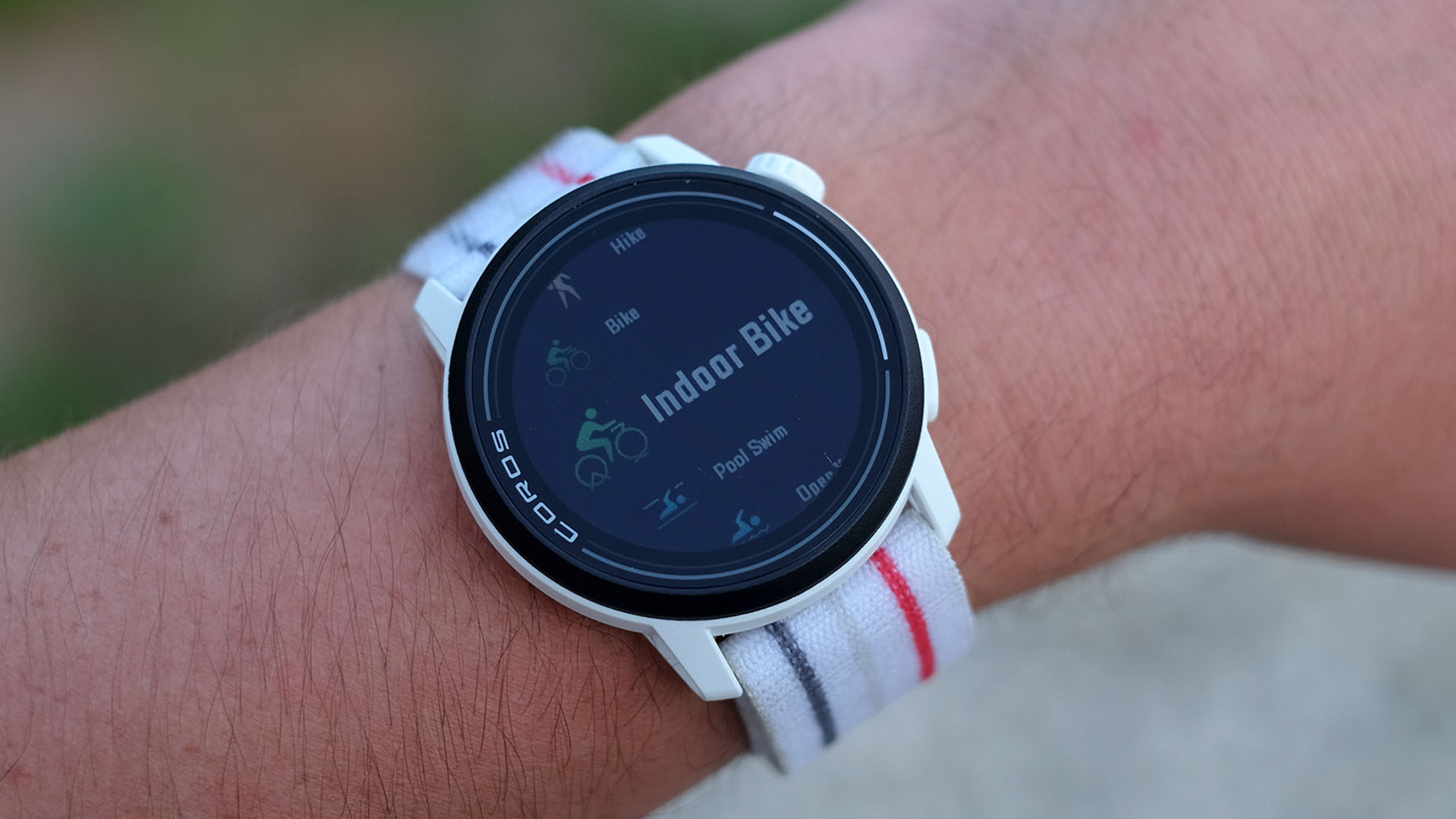
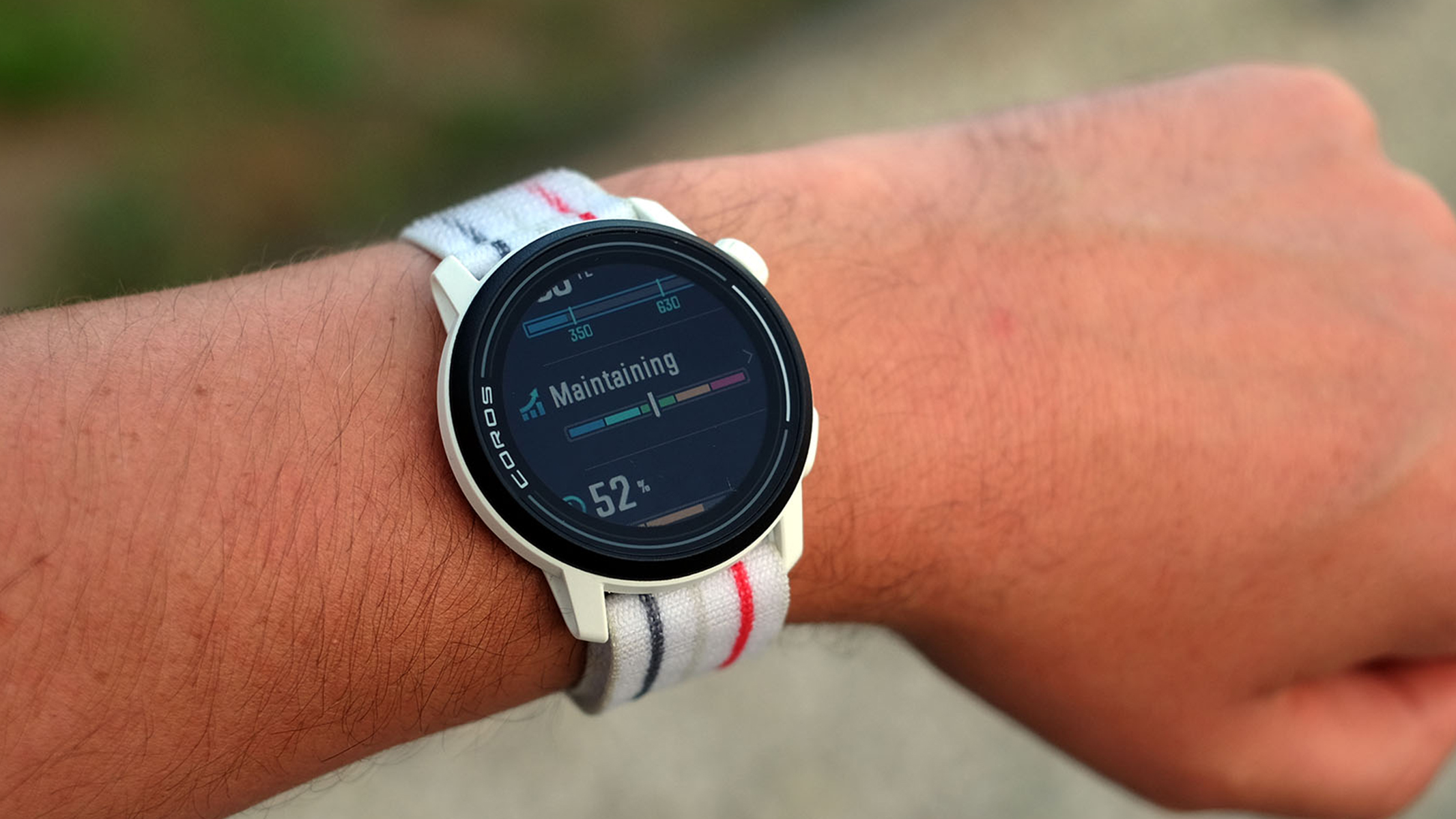
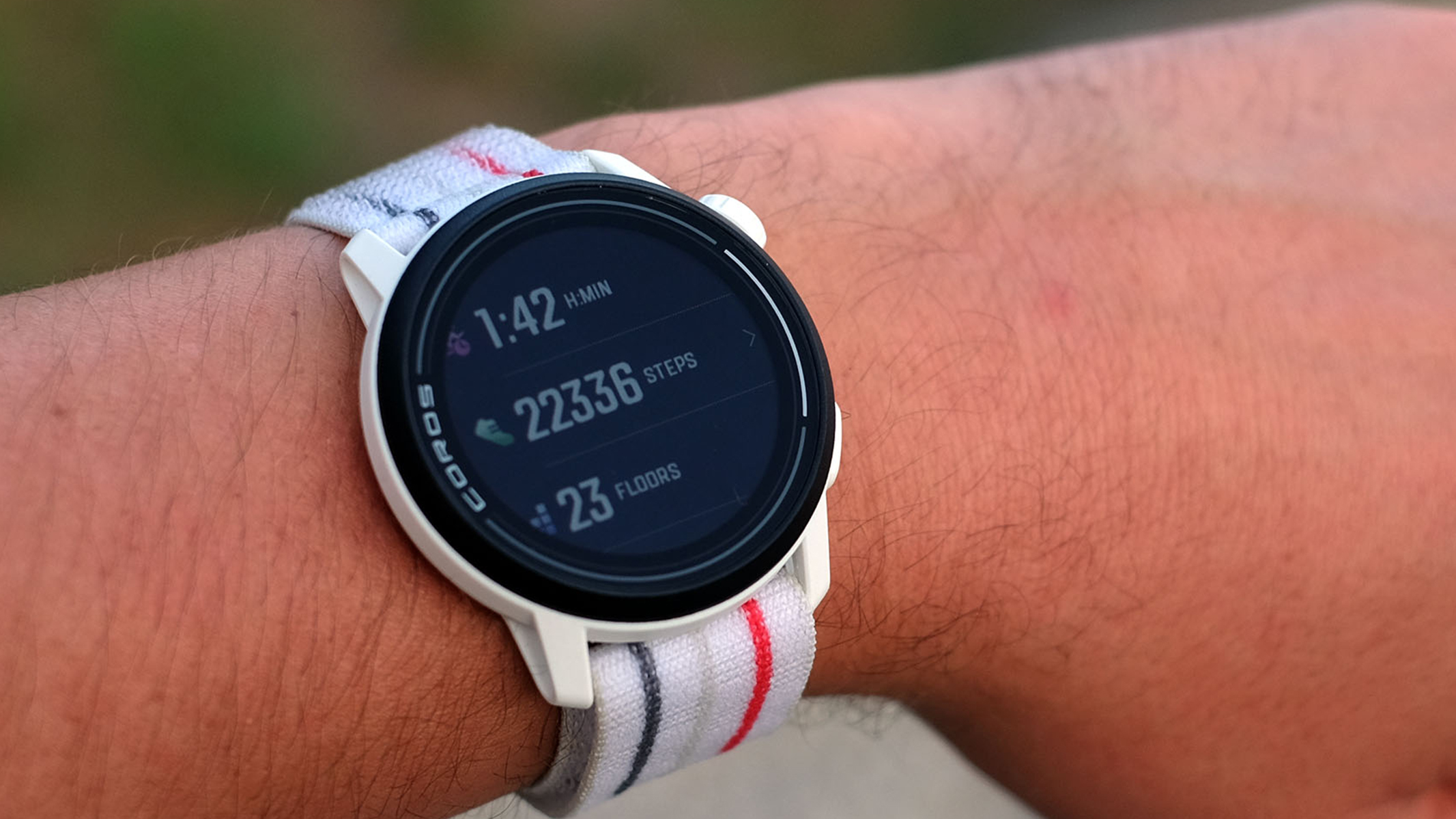
Coros has become a bit of an industry disruptor in recent years by offering more affordable fitness trackers that pack a whole host of features.
The Pace 3 might be the best yet, with a comfortable watch and the option to play music from the watch (something surprisingly rare in the current fitness tracker landscape). Tracking is accurate, too, getting close to Garmin's levels of GPS accuracy but at a lower price point.
We admit we’d have preferred an OLED or AMOLED display, but the one here is still at least large enough for more casual users; it just isn’t as easy to read in all lighting conditions as the others on this list.
Still, the Coros Pace 3 is packed with features, including training plans, built-in GPS, and plenty of sensors, all for less than you’d spend on something like a Garmin.
Read more: Coros Pace 3 review.
Best budget fitness tracker for beginners
Image 1 of 7
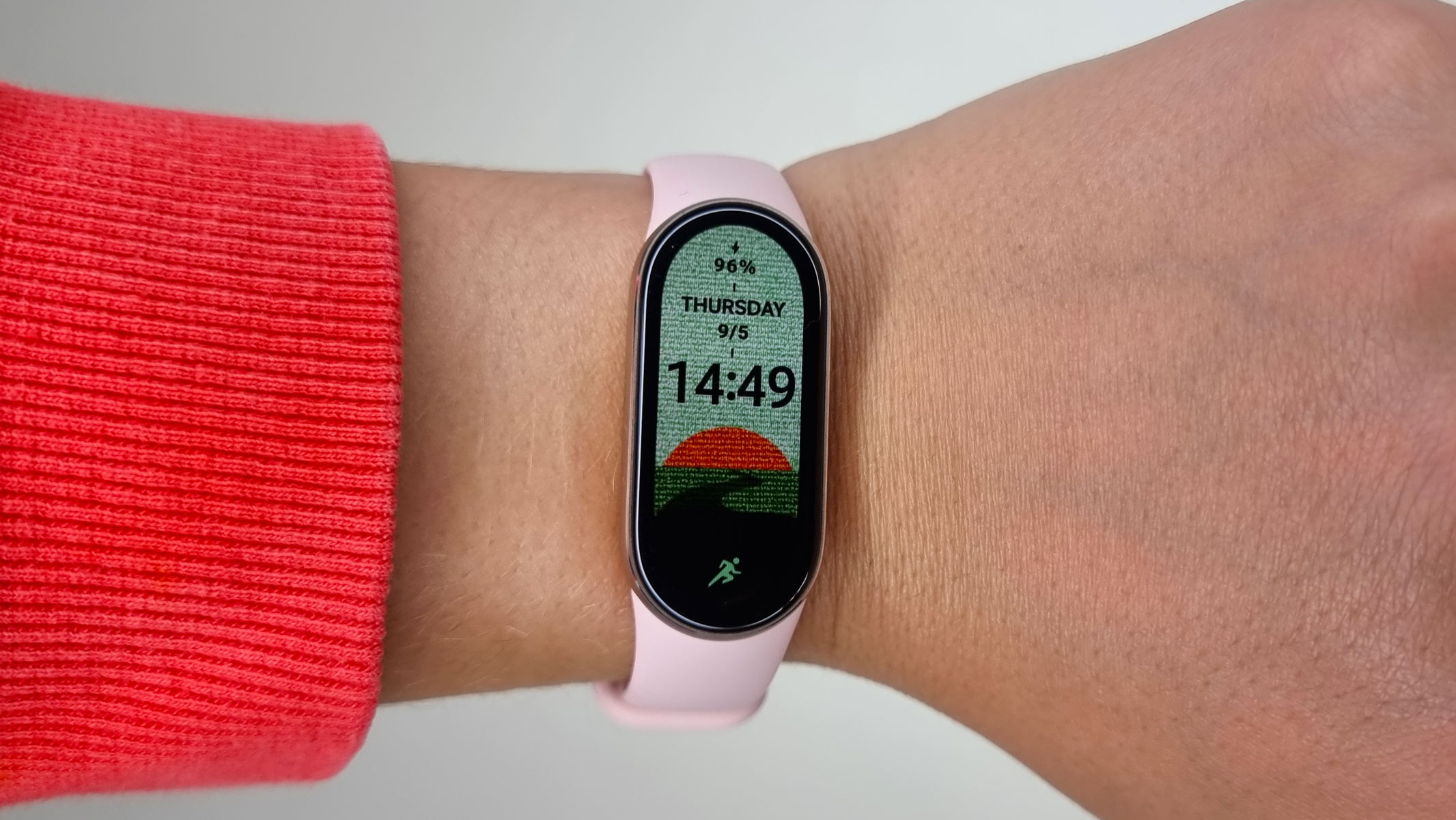
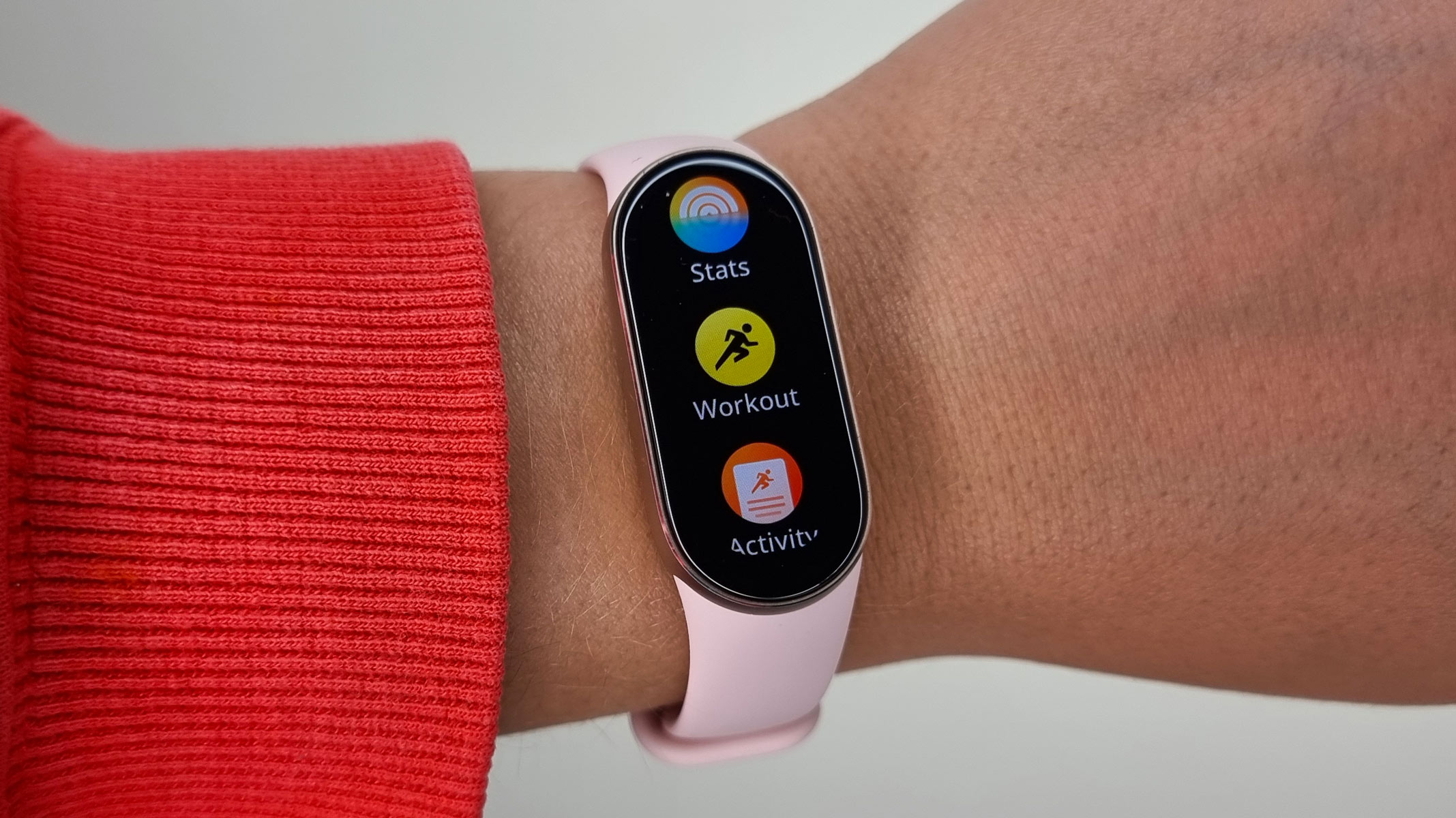
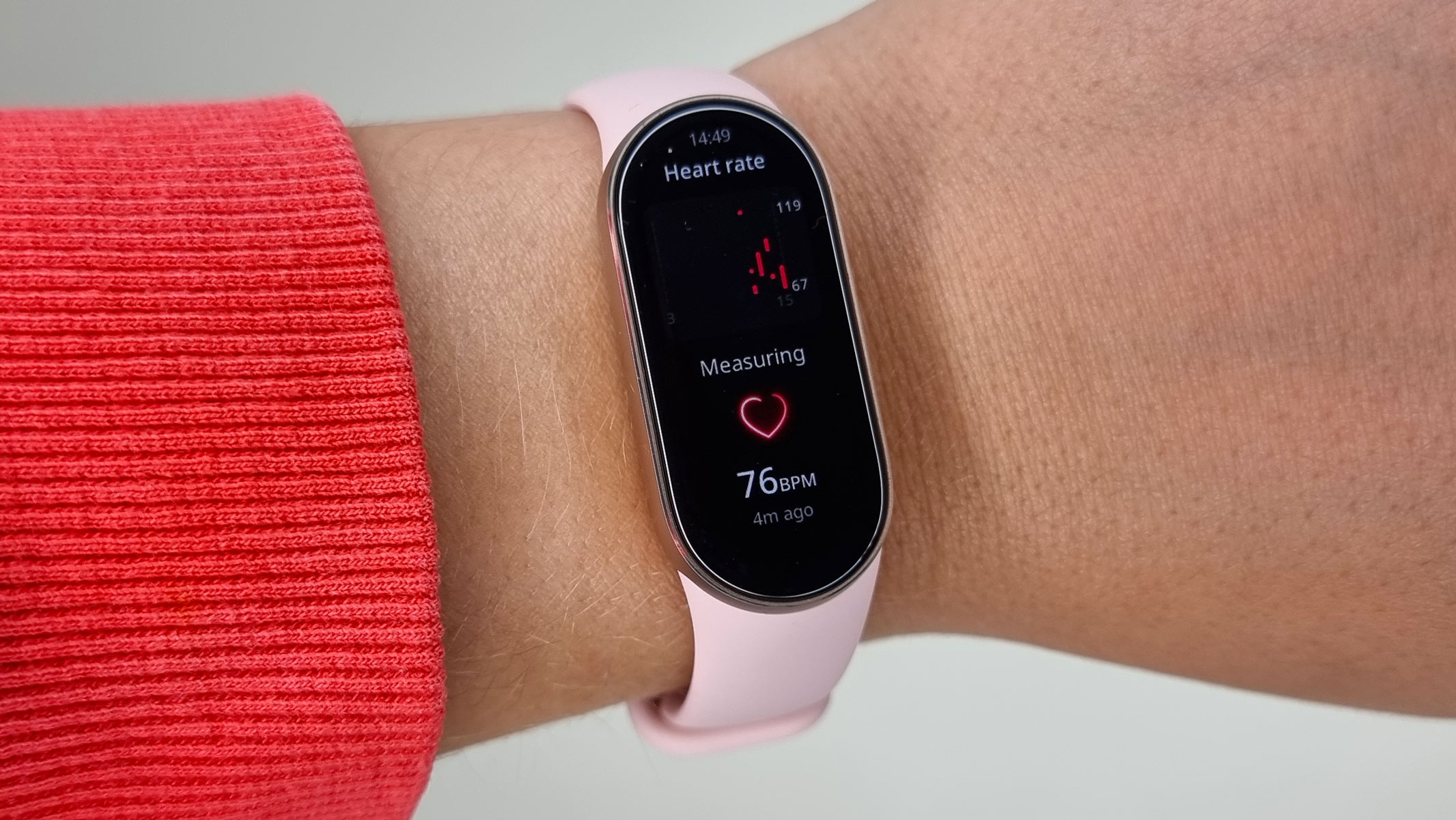
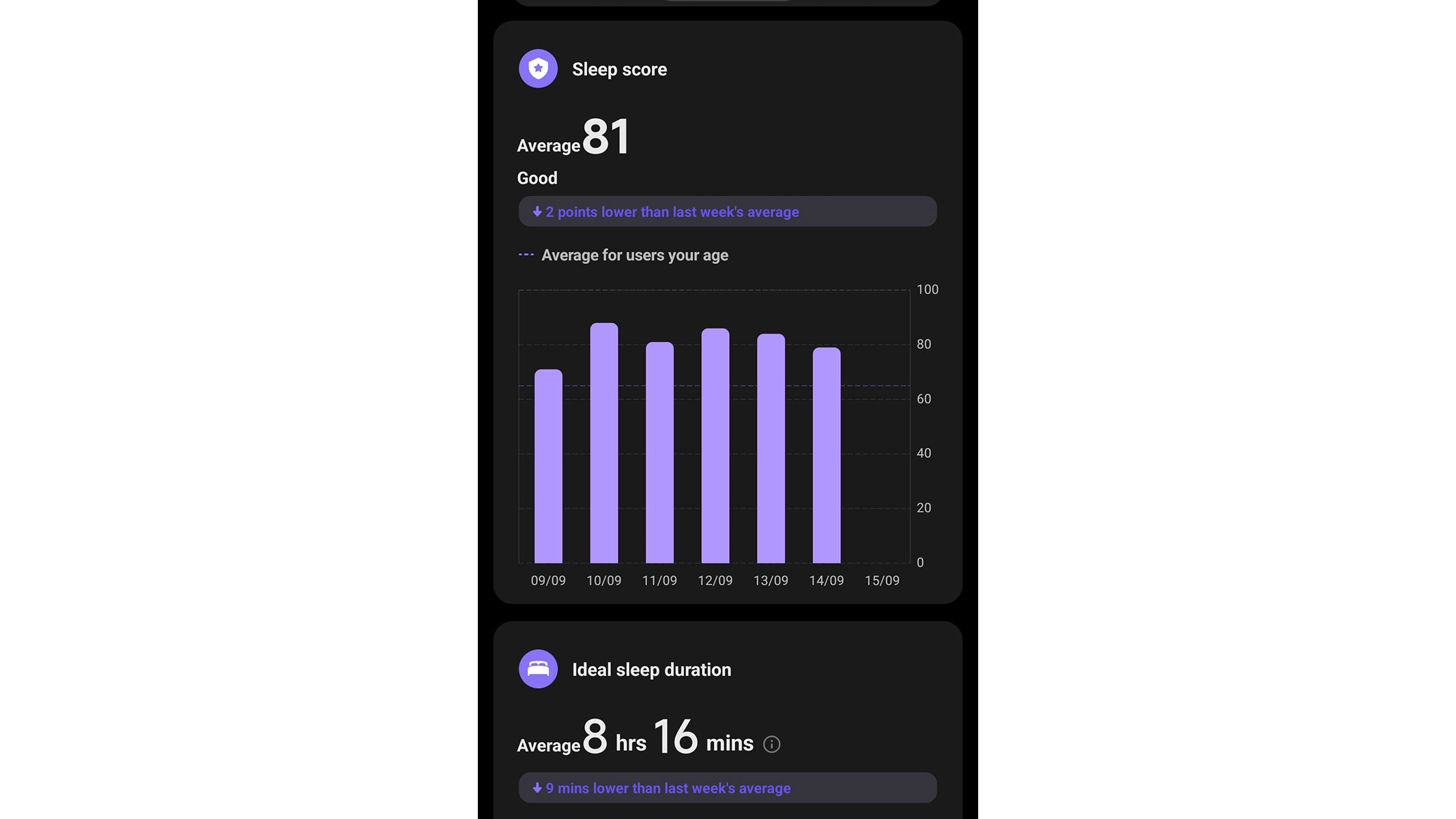
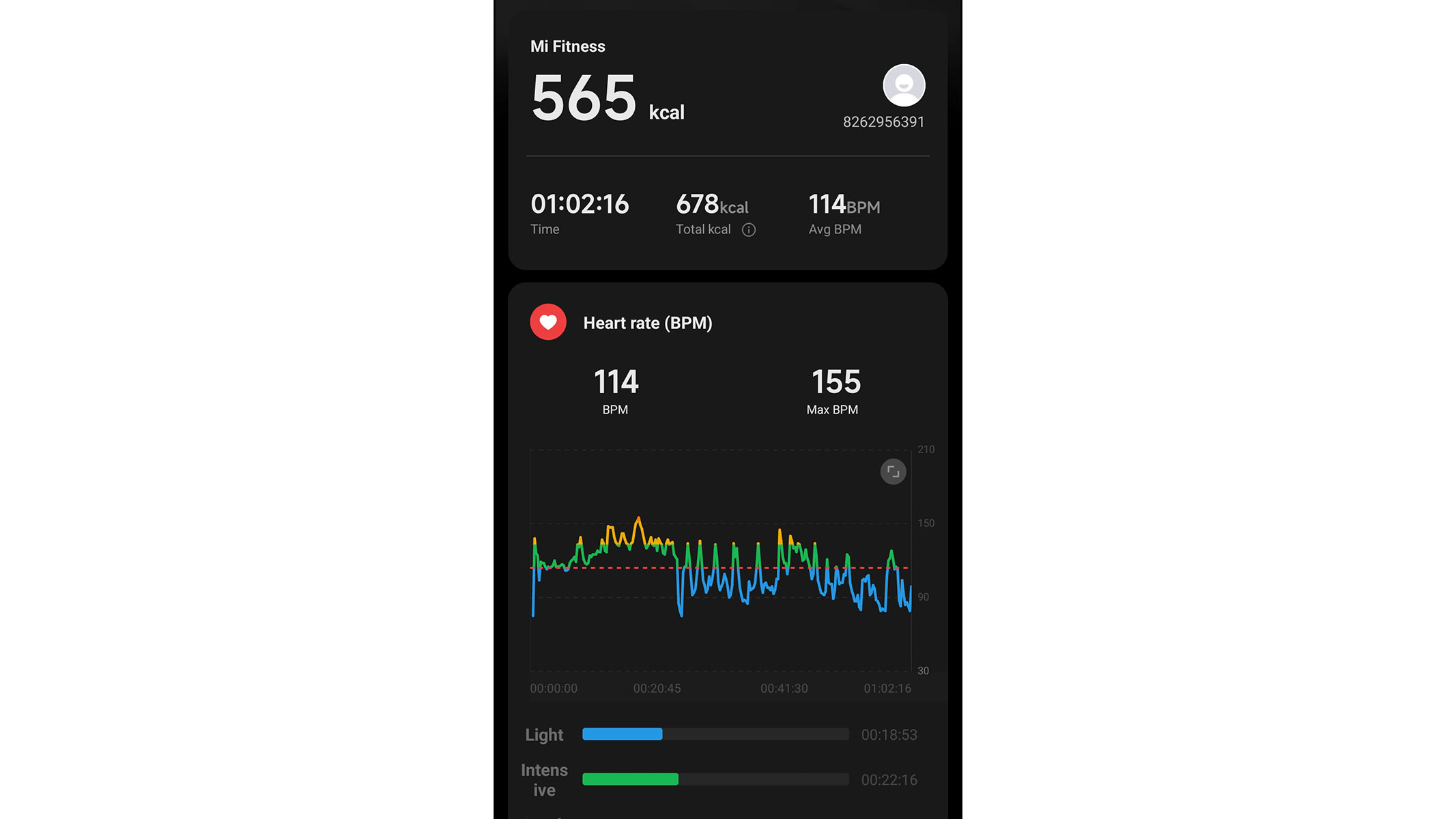
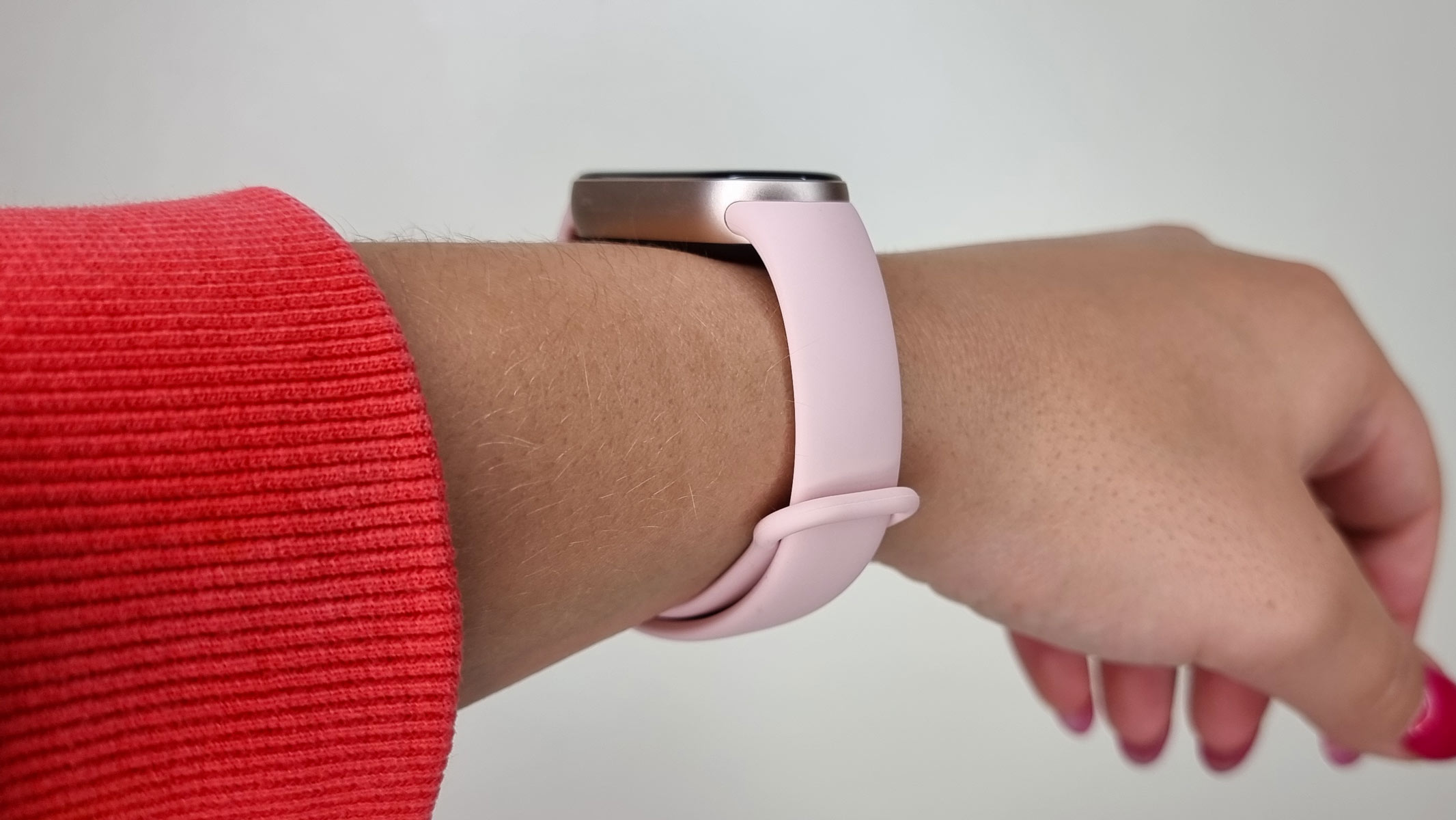
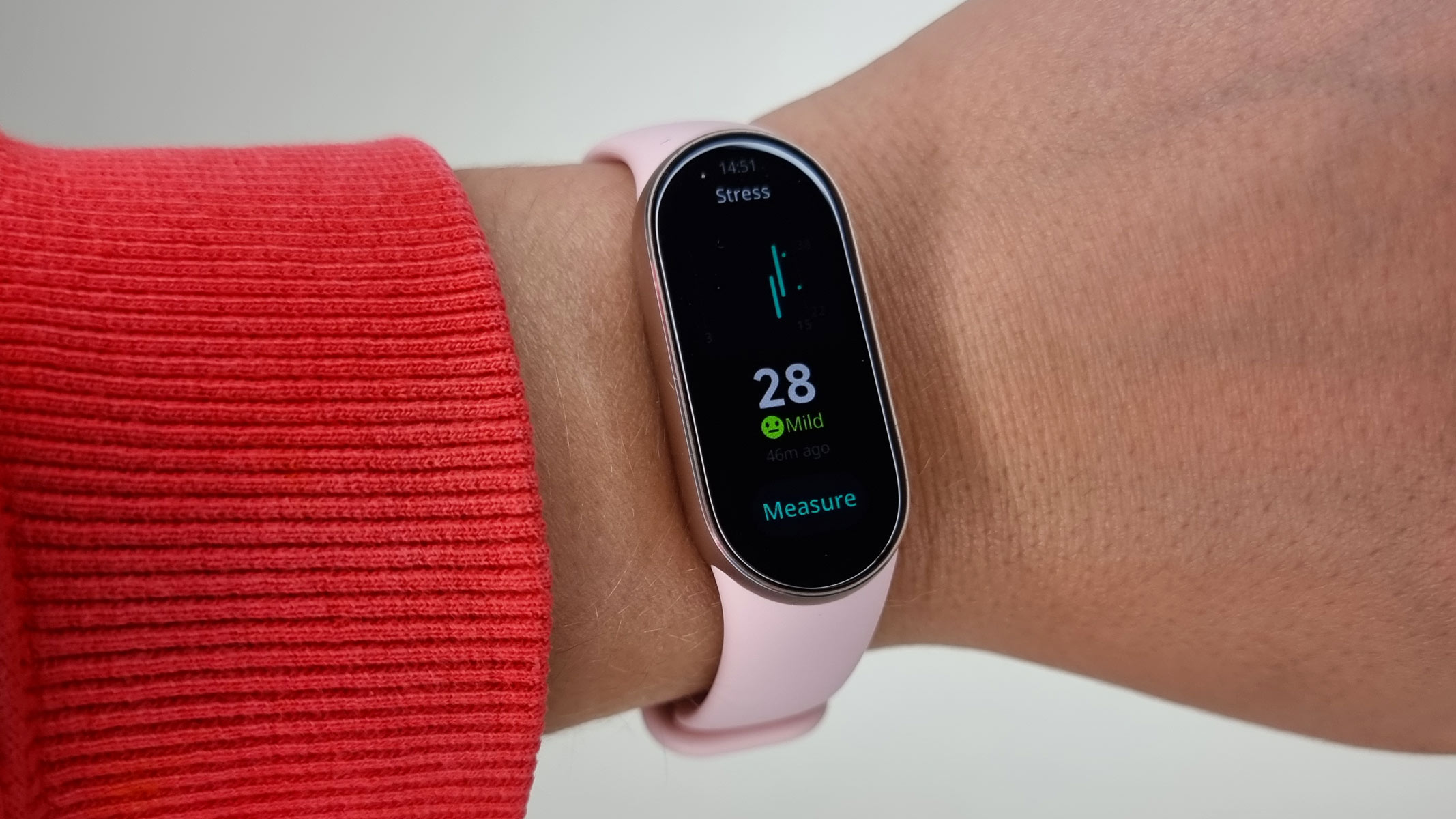
One of our favorite budget fitness trackers, this Xiaomi model will set you back just $49.99/£34.99, but we’ve seen it going for half of that in discount events.
It’s small and discreet but has plenty of fitness-tracking potential across 150 sports modes, heart rate, oxygen saturation, sleep tracking and more. It lacks built-in GPS, instead piggybacking off of your phone’s signal, but at this price, it’s hard to complain.
Despite its relatively small size, it’s very easy to read thanks to a vibrant AMOLED screen that’s ideal in all conditions, and despite the smaller size, it’s intuitive enough for newcomers to use it.
Read more: Xiaomi Smart Band 9 review
Best smartwatch for Android users
Image 1 of 7
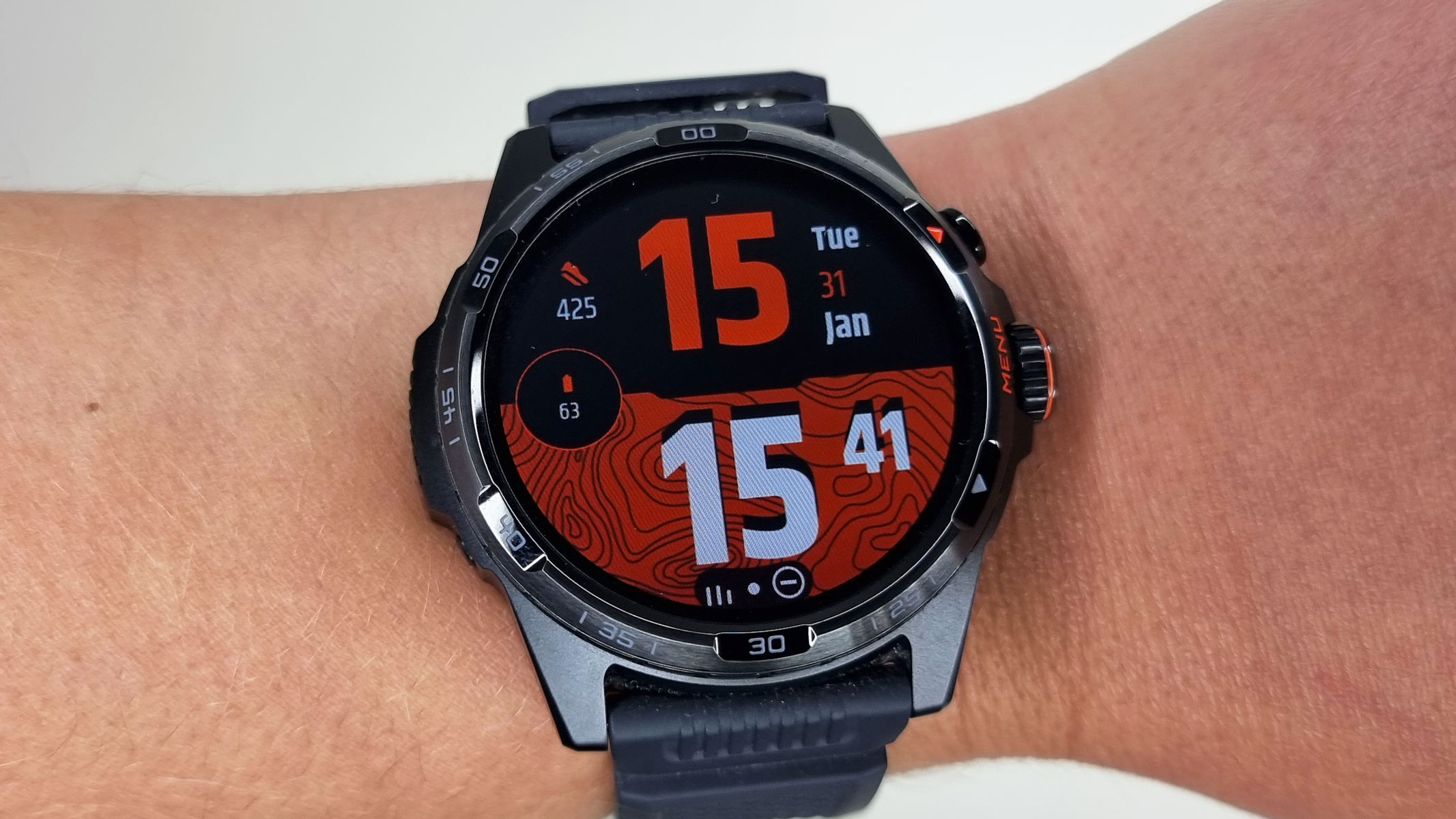
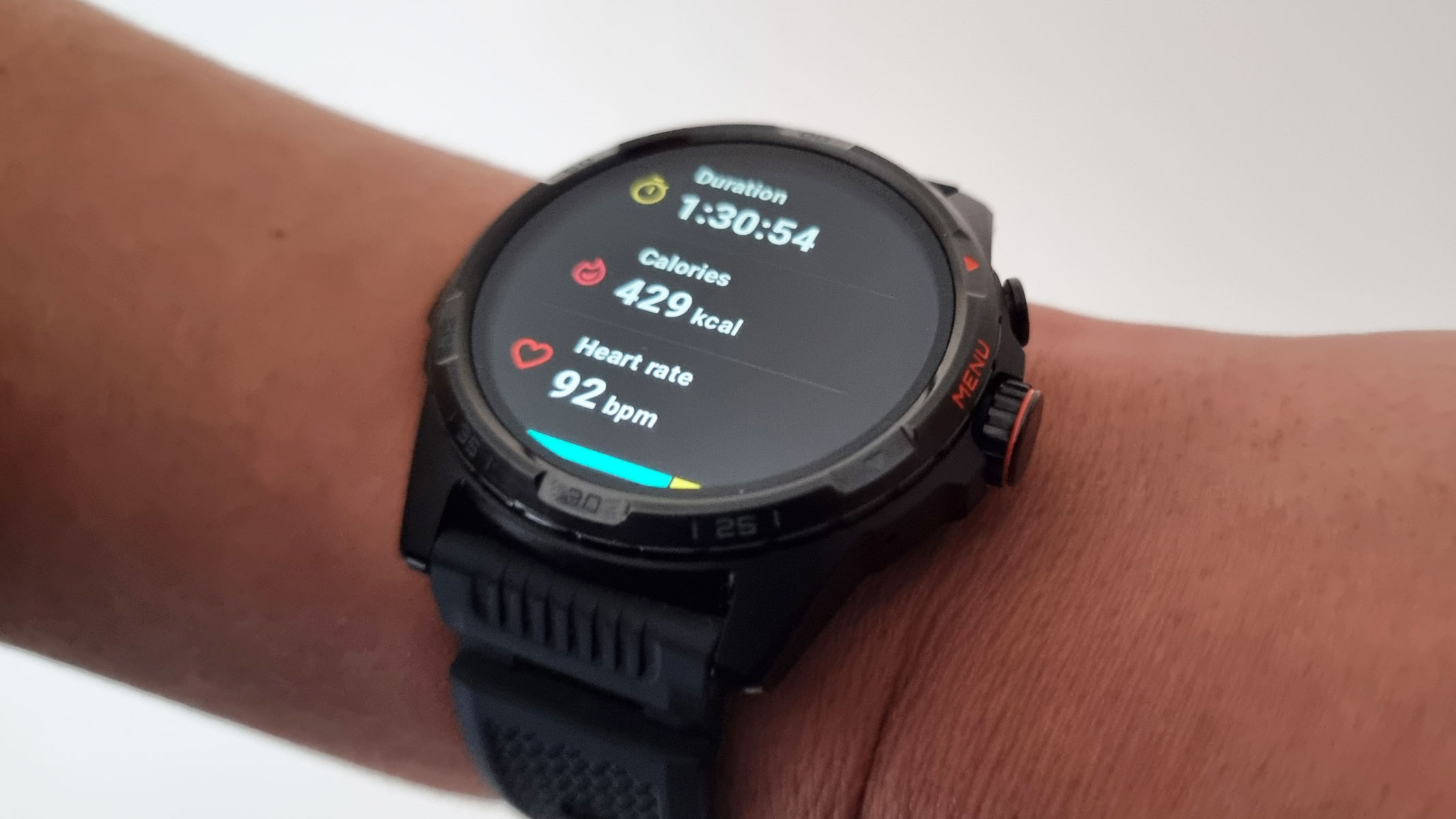
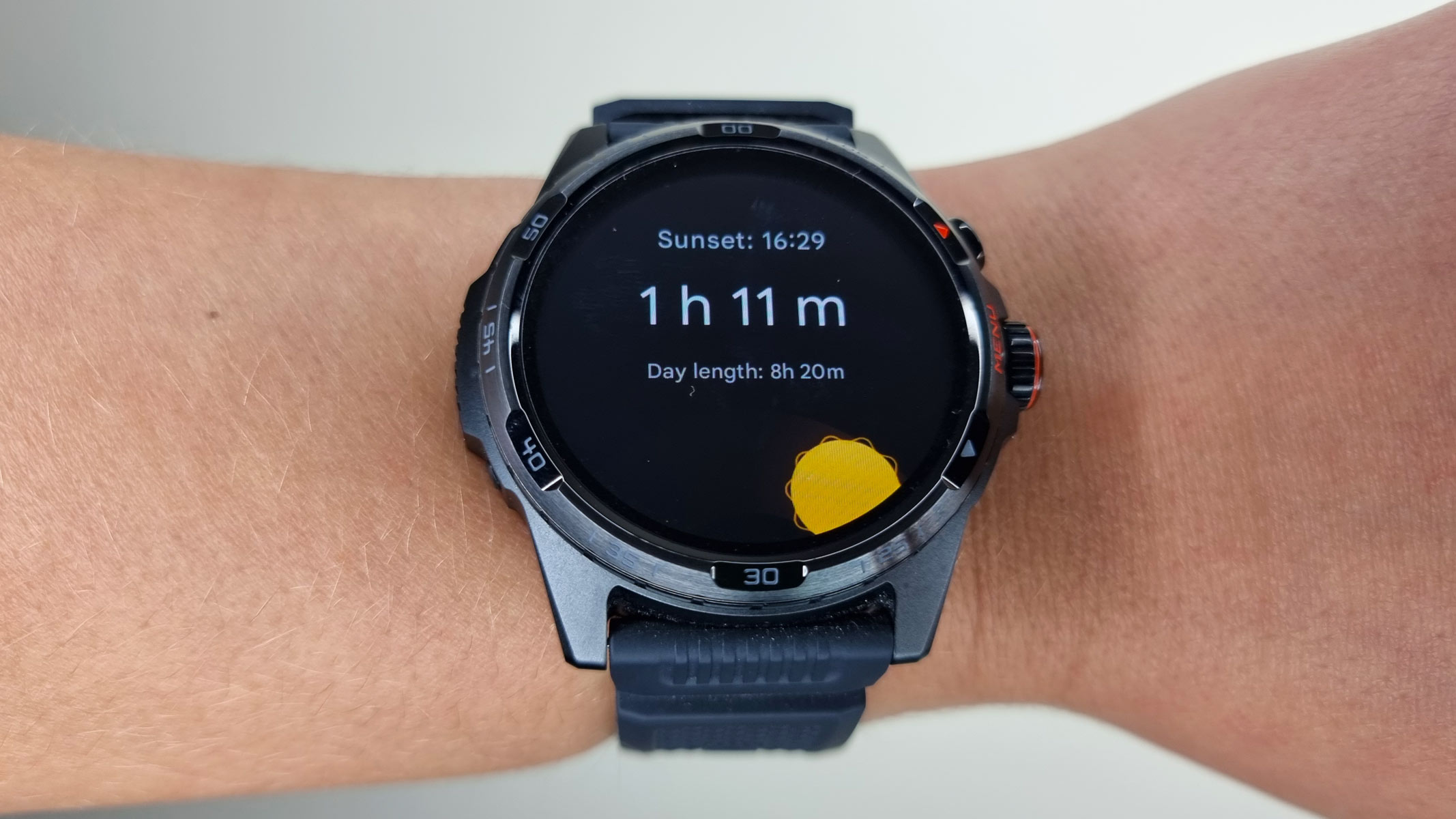
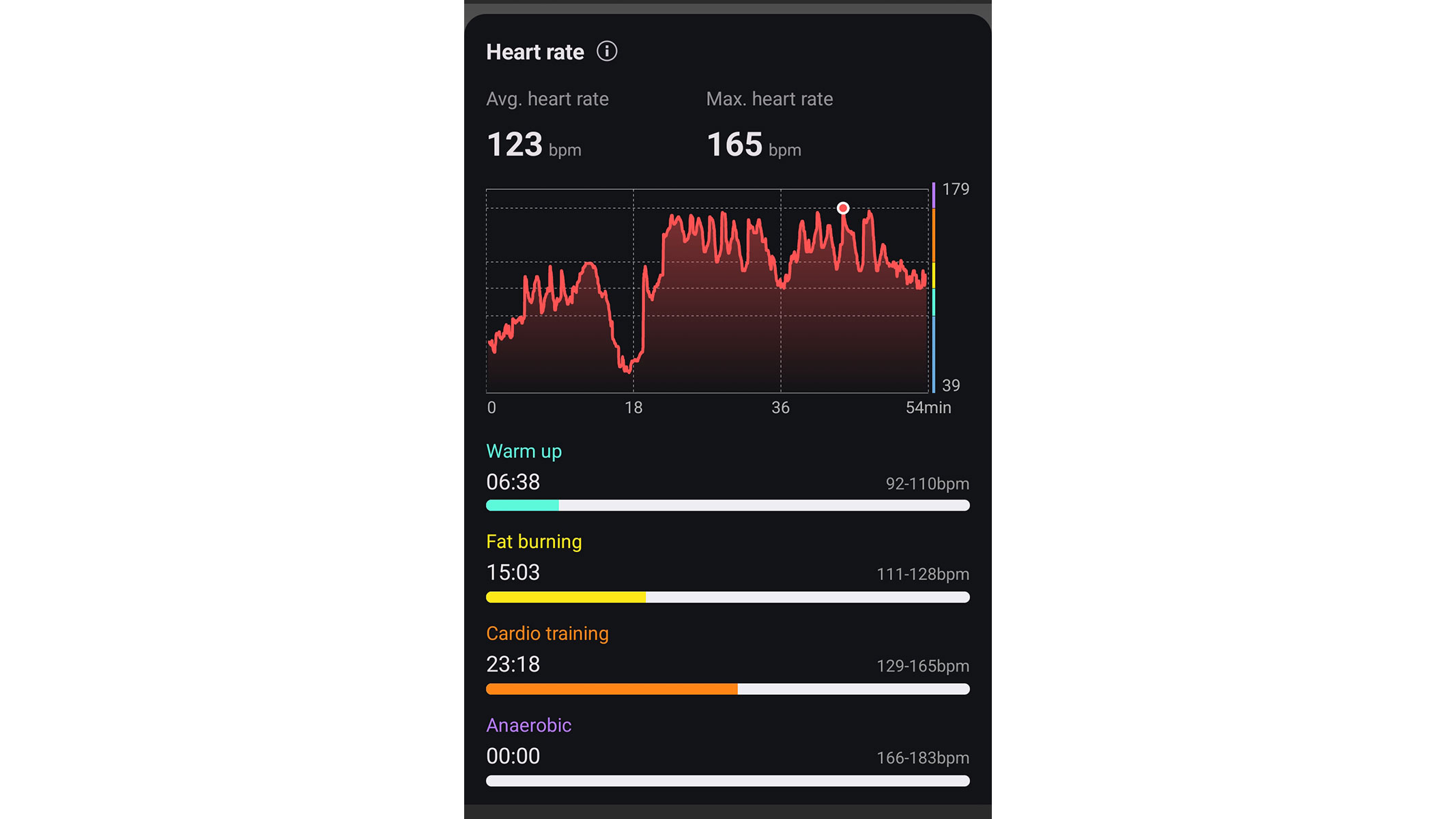
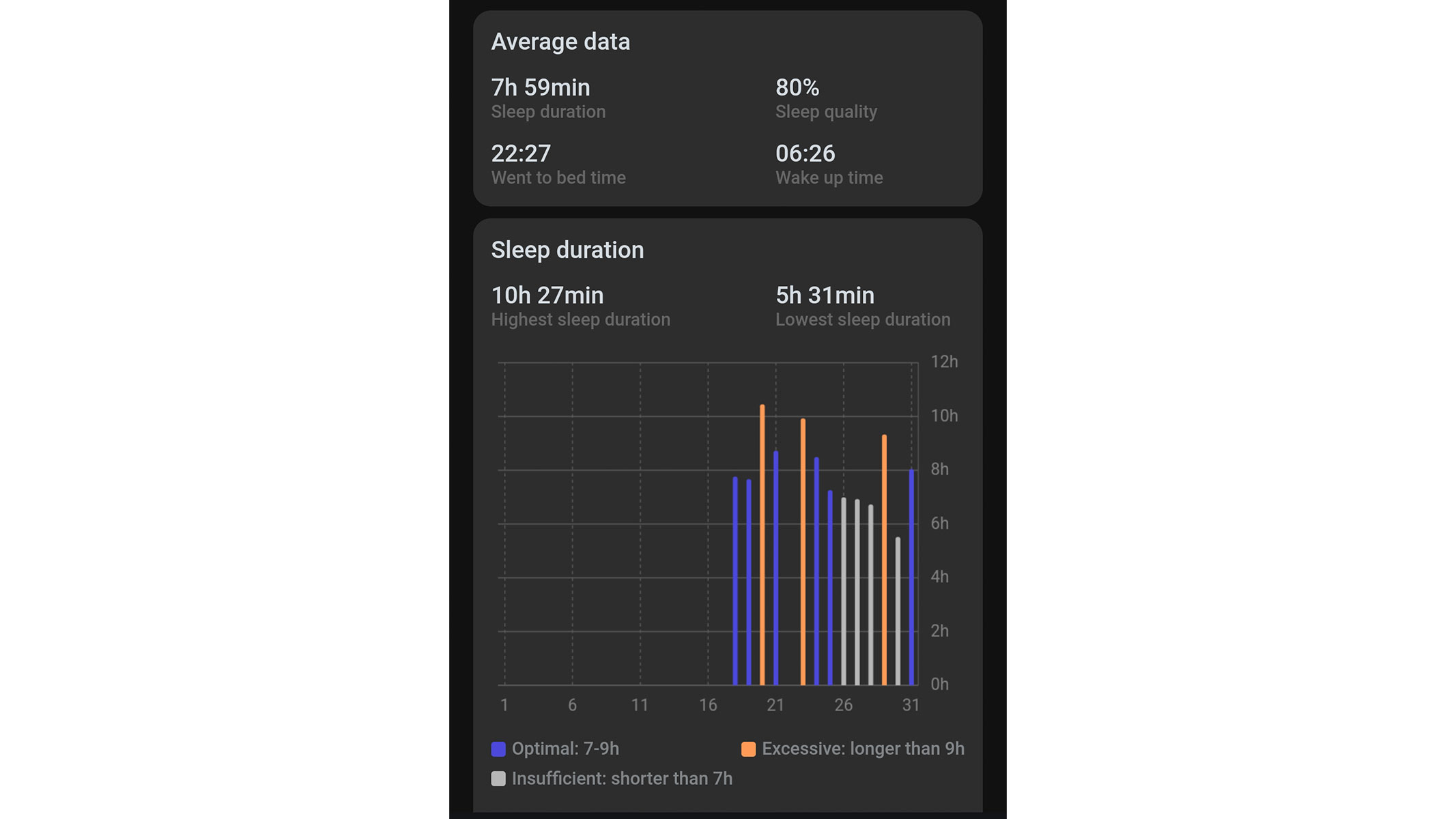
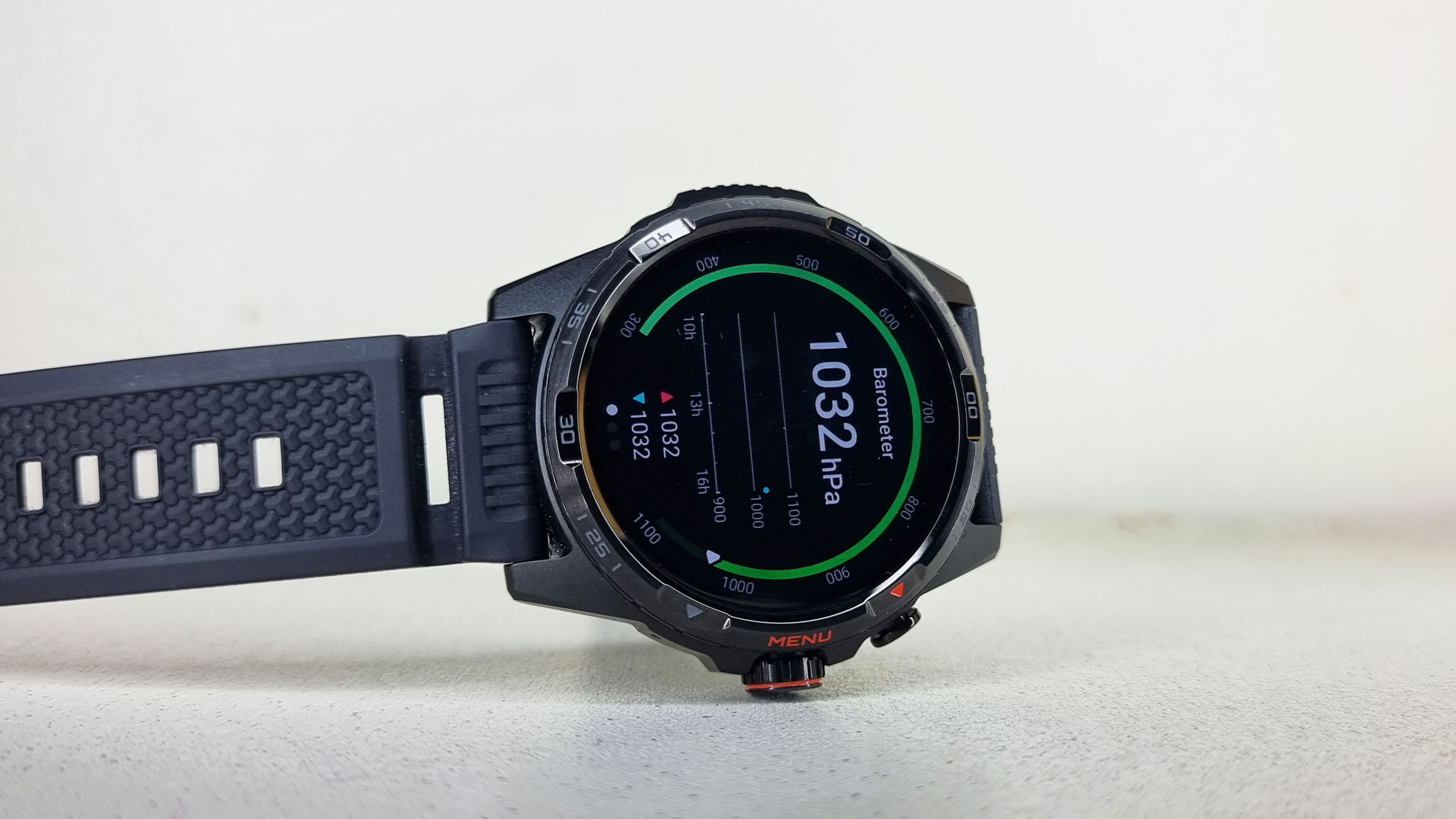
This fantastic (and affordable) fitness tracker is larger than some on this list, but still comfortable. It has a big, 1.43-inch AMOLED display that’s easy to read, and has a whopping 45 days of battery life on a single charge.
It’s also rugged enough for anyone running trails or doing some light climbing, with our main issue being that it doesn’t work with iOS. That’s a shame, because we called it our favorite Garmin alternative.
It manages to walk the line between affordability and ruggedness that none of its rivals can quite manage, and while the large chassis won’t be for everyone, it does give the big display plenty of opportunity to show information.
The Snapdragon W5+ chip under the hood means it works perfectly with all that Wear OS can offer, too.
Read more: TicWatch Atlas review
Best fitness trackers for beginners: comparison
Product | Rating | Screen | Water resistance | GPS | Compatibility | Battery life |
|---|---|---|---|---|---|---|
Apple Watch SE (Generation 2) | ★★★★½ | OLED 1.5 or 1.7-inch | 5ATM | Yes | iOS | 18 hours |
Amazfit Active | ★★★★ | AMOLED 1.75 inch | 5ATM | Yes | iOS and Android | 30 days |
Garmin Forerunner 165 | ★★★★★ | OLED 1.2 inch | 5ATM | Yes | iOS and Android | 13 days |
Coros Pace 3 | ★★★★½ | LCD 1.2 inch | 5ATM | Yes | iOS and Android | 14 days |
Xiaomi Smart Band 9 | ★★★★ | AMOLED 1.62 inch | 5ATM | Yes | iOS and Android | 21 days |
TicWatch Atlas | ★★★★½ | AMOLED 1.43 inch | 5ATM | Yes | Android | 45 days |
Contributing experts

Jay Wirsig is an outdoor travel expert, outdoor sports enthusiast, and CEO of KayaArm, the revolutionary new kayak launch stabilizing device that makes it safe to enter and exit your kayak at your dock. With a background in mechanical engineering and over 30 years of international project management experience, he transitioned from engineering to e-commerce to continue the family business and pursue his passion to travel, explore, and know the world.
How to choose the best fitness tracker for a beginner
Every user will have different needs, but these are some things to consider when picking your first fitness tracker.
Screen size and technology
Some fitness trackers are relatively tiny, but that means a smaller display. That won’t suit everyone, particularly if you want to read messages mid-workout or make adjustments to your route.
It’s also worth considering the screen technology used. AMOLED and OLED displays are not only brighter, but they tend to be easier to read while outdoors.
“When someone is just starting out with a fitness tracker, the most important thing is ease of use,” Jay Wirsig, CEO of KayaArm explains.
“A large, readable screen helps more than people realize, especially if you are checking stats mid-hike or while moving. Bright sunlight can make smaller displays hard to read, so visibility is key for outdoor use.”
Ease of use and companion app
Many of the best fitness trackers are packed with impressive features and gizmos, but unless you’re desperate to use them, they can increase the knowledge barrier needed to get the most out of them.
The models on this page are easier to use thanks to intuitive companion apps for tracking your data and monitoring your progress, and the on-device UI is easy to get to grips with, too.
“If someone cannot understand the app within a few minutes, they are unlikely to open it again,” Wirsig explains. “A good beginner setup keeps focus on a few easy-to-follow metrics instead of flooding the user with complicated dashboards.”
OS compatibility
If you’ve got an iPhone or Android phone, that’ll dictate which fitness tracker options are available to you. After all, an Apple Watch won’t work on a Google phone, while the same can be said the other way around with Wear OS watches on iOS phones.
Aside from the Apple Watch SE and Ticwatch Atlas on this list, every device has a companion app that can be installed on either platform.
Comfort
Above all else, it’s important that your fitness tracker is comfortable; otherwise, you might not want to wear it at all.
Thankfully, the options on this list are just that, and with some offering battery life up to a month and a half, you’ll be able to keep it on your wrist for weeks.
GPS
“For outdoor activity, GPS is where a tracker really becomes useful,” Wirsig notes.
“Whether you are paddling, walking trails, or even gardening, built-in GPS lets you see where you went and how far. It also helps when tracking elevation changes or actual pace, which is more useful in the outdoors than counting steps alone.”
Price
“Price does matter, especially when someone is not sure how long they will stay committed,” Wirsig adds.
“A lower-cost device that tracks basic steps, heart rate, and sleep is often more than enough in the early stages. It helps get a feel for patterns without the pressure of a big investment.”
Latest updates
Future updates to this guide will be detailed here.
How we tested these fitness trackers
How we test the best fitness trackers for beginners
Image 1 of 4
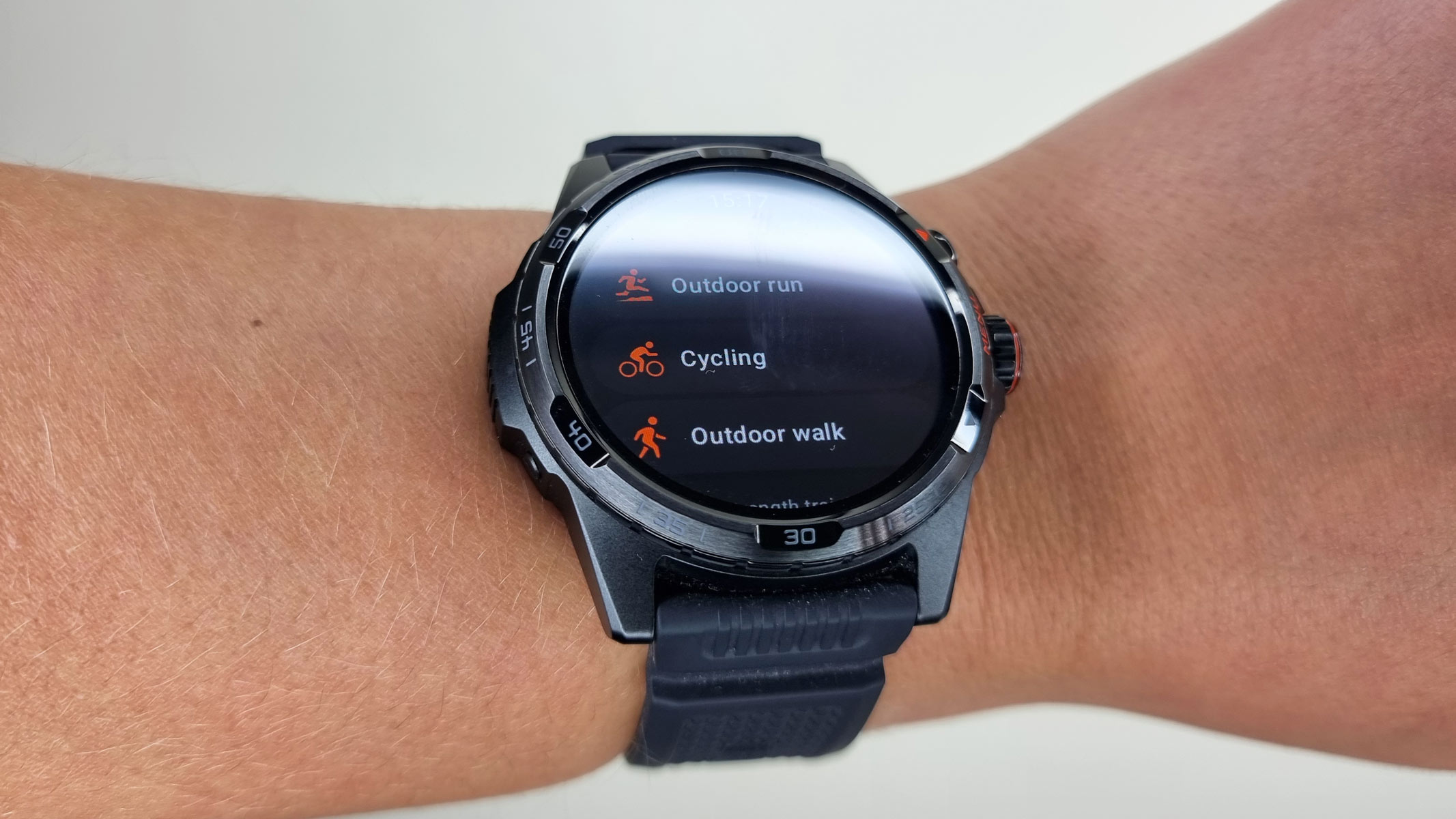
We test all fitness trackers to the exact same standard, using the same procedures. After spending at least two weeks with each wearable, we rank it across the following categories:
1) Design. We check the tracker's size, shape and general appearance, and assess whether it is comfortable to wear and sufficiently customizable (for example, whether it has removable straps and different size options). We also look into its durability and waterproofness, and inform you of any scuffs and scratches that the testing unit may have sustained during testing.
2) Display. We check the size, brightness and resolution of the screen, and whether it comes with any protective measures (scratch-resistant Gorilla glass, for example) or any other design solutions that can enhance user experience. We also review the touchscreen's responsiveness and report any screen issues we may have experienced during testing.
3) Features. We try to answer the following questions: Which health metrics and activities does this fitness tracker measure? How in-depth and well-explained are they? Does it come with any smart features, such as voice control and compatibility with third-party apps? Can it store music, pay for your groceries or take your phone calls?
4) Performance. We put the fitness tracker through a range of activities to test its battery life, general tracking accuracy and app connectivity. Most importantly, we assess the validity of its heart rate tracking features using a chest-strap heart rate monitor (such as the Polar H9), and (if applicable) compare its GPS readings to a more high-end navigation system.
Verdict. Finally, we calculate a final score out of five and advise on the pros and cons of the fitness tracker in question.