People with spinal cord injuries often lose the ability to move their arms or legs. In many cases, the nerves in the limbs remain healthy, and the brain continues to function normally. The loss of movement happens because damage to the spinal cord blocks signals traveling between the brain and the body.
This disconnect has led researchers to search for ways to restore communication without repairing the spinal cord itself.
Testing EEG as a Noninvasive Solution
In a study published in APL Bioengineering by AIP Publishing, scientists from universities in Italy and Switzerland explored whether electroencephalography (EEG) could help bridge this gap. Their research focused on determining whether EEG could capture brain signals linked to movement and potentially reconnect them with the body.
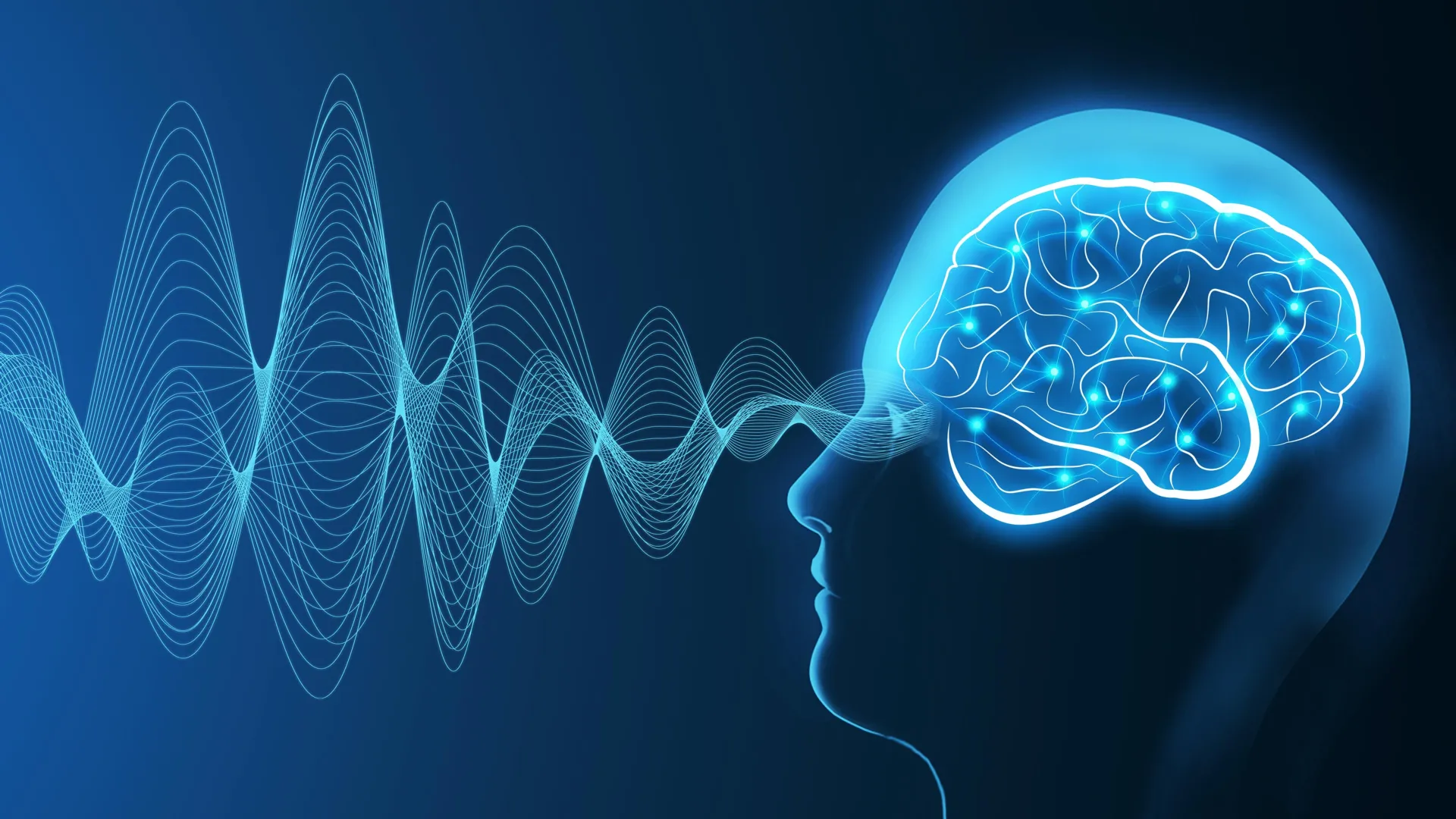
When a person attempts to move a paralyzed limb, the brain still produces electrical activity associated with that action. If these signals can be detected and interpreted, they could be sent to a spinal cord stimulator that activates the nerves responsible for movement in that limb.
Moving Beyond Brain Implants
Most earlier studies relied on surgically implanted electrodes to record movement signals directly from the brain. Although these systems have shown encouraging results, the research team wanted to investigate whether EEG could offer a safer option.
EEG systems are worn as caps covered with electrodes that record brain activity from the scalp. While the setup may appear complex, the researchers say it avoids the risks involved with placing devices inside the brain or spinal cord.
"It can cause infections; it's another surgical procedure," said author Laura Toni. "We were wondering whether that could be avoided."
Challenges in Reading Movement Signals
Using EEG to decode movement attempts pushes the limits of current technology. Because EEG electrodes sit on the surface of the head, they struggle to capture signals that originate deeper within the brain.
This limitation is less problematic for movements involving the arms and hands. Signals controlling the legs and feet are harder to detect because they come from areas located closer to the center of the brain.
"The brain controls lower limb movements mainly in the central area, while upper limb movements are more on the outside," said Toni. "It's easier to have a spatial mapping of what you're trying to decode compared to the lower limbs."
Machine Learning Helps Interpret Brain Activity
To better analyze the EEG data, the researchers used a machine learning algorithm designed to work with small and complex datasets. During testing, patients wore EEG caps while attempting a series of simple movements. The team recorded the resulting brain activity and trained the algorithm to sort the signals into different categories.
The system successfully distinguished between moments when patients tried to move and when they remained still. However, it had difficulty telling different movement attempts apart.
What Future Research Could Achieve
The researchers believe their method can be improved with further development. They plan to refine the algorithm so it can recognize specific actions such as standing, walking, or climbing. The team also hopes to explore how these decoded signals could be used to activate implanted stimulators in patients recovering from spinal cord injuries.
If successful, this approach could move noninvasive brain scanning closer to helping people regain meaningful movement after paralysis.