Most glaciers around the world are shrinking as temperatures rise. But a smaller group behaves in a very different way, and their actions can be far more dangerous.
An international team of scientists led by the University of Portsmouth has completed a large global study of these so-called surging glaciers. The research looks at the risks they pose and how climate change is reshaping when and where these sudden events occur.
What Causes Glacier Surges
A glacier surge happens when ice that normally moves slowly suddenly speeds up. During these periods, large amounts of ice are pushed quickly toward the glacier's front, often causing it to advance. These surges can last for several years, and many glaciers go through repeated cycles, with long quiet periods in between.
The study, published in Nature Reviews Earth and Environment, brought together data on more than 3,100 glaciers that have experienced surges. Instead of being evenly spread around the globe, they are concentrated in specific regions, including the Arctic, High Mountain Asia, and the Andes.
Researchers analyzed how these glaciers work, what conditions lead to surges, and where they are most likely to occur. The study also maps their global distribution and explains why they cluster in certain climates.
"Surge-type glaciers are very unusual and can be troublesome," said lead author Dr. Harold Lovell, Senior Lecturer and glaciologist from the University of Portsmouth's School of the Environment and Life Sciences. "As a friend and fellow glaciologist once put it, they save up ice like a savings account and then spend it all very quickly like a Black Friday event. But while they only represent 1 per cent of all glaciers worldwide, they affect just under one-fifth of global glacier area, and their behavior can result in serious and sometimes catastrophic natural disasters that affect thousands of people."
Why Surging Glaciers Are Vulnerable
The findings show that these glaciers are not protected from climate change. In fact, surging activity can make them more sensitive. During surges, they can lose large amounts of ice, contributing significantly to ice loss in some regions.
Six Major Hazards Linked to Glacier Surges
The study highlights six main dangers that surging glaciers can create for nearby communities, especially in mountainous areas:
- Glacier advance -- ice can move over buildings, roads, and farmland
- River blockages -- glaciers can dam rivers, forming unstable lakes that may burst and cause severe flooding
- Meltwater outbursts from beneath the glacier -- sudden releases of water can also trigger destructive floods
- Sudden detachments of glaciers -- these events can produce large avalanches of ice and rock
- Widespread crevassing -- fast-moving ice creates deep cracks, making travel extremely dangerous where glaciers are used as routes between settlements or for tourism and climbing
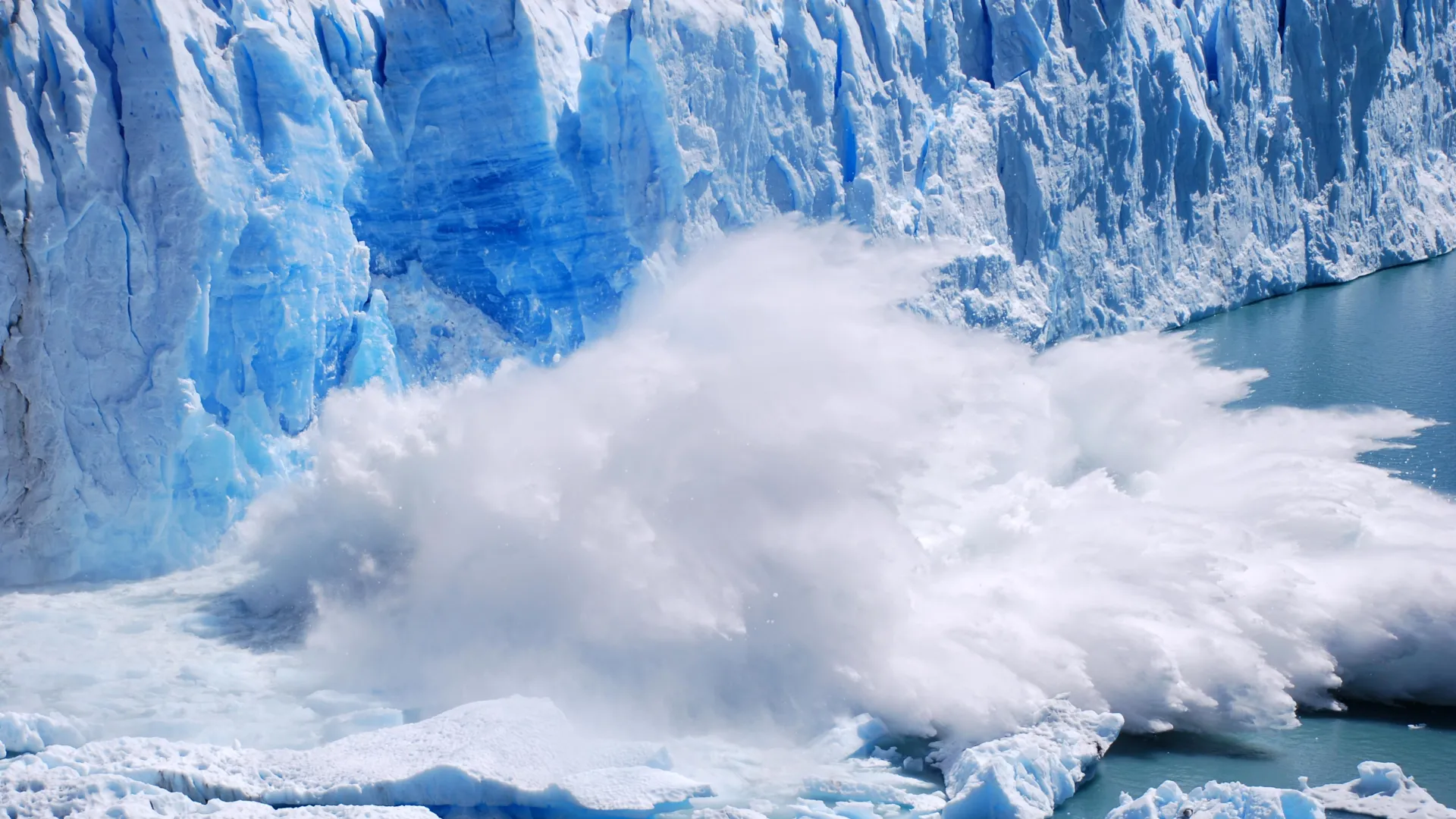
- Iceberg hazards -- when glaciers surge into the ocean, they can release many icebergs quickly, posing risks to ships and marine tourism
Using this information, scientists identified 81 glaciers that present the greatest threat when they surge. Many of these are located in the Karakoram Mountains in High Mountain Asia, where populated valleys and key infrastructure sit directly below them. These glaciers tend to be large, close to people, and prone to repeated surging.
Climate Change Is Increasing Uncertainty
One of the most concerning conclusions is that warming temperatures are changing how glacier surges behave, making them harder to predict at a time when accurate forecasts are critical.
"By drawing on previous studies, we have been able to piece together the growing body of evidence that shows how climate change is affecting glacier surges, including where and how often they happen," Dr. Lovell said. "This includes instances of extreme weather such as heavy rainfall events or very warm summers triggering earlier than expected surges, suggesting an increasing unpredictability in their behavior."
The overall picture is complex and varies by region. In some places, surges are happening more often than in the past. In others, they are becoming less frequent. Some glaciers have thinned so much that they may no longer be able to build up enough ice to surge again.
Shifting Patterns Around the World
Surging glaciers are currently concentrated in the Arctic and sub-Arctic (48 percent) and High Mountain Asia (50 percent), where climate conditions support this behavior. However, continued warming could change where surges occur.
In regions like Iceland, where glaciers are shrinking quickly, surges may largely disappear. In contrast, parts of High Mountain Asia and the Canadian and Russian Arctic could see more frequent surges due to warmer conditions and increased meltwater. There is even the possibility that surging glaciers could emerge in new areas, such as the Antarctic Peninsula.
Co-author Professor Gwenn Flowers, from Simon Fraser University in Canada, said: "The challenge we face is that just as we're starting to develop a more comprehensive understanding of the mechanisms behind glacier surges, climate change is rewriting the rules. Extreme weather events that might have been rare even 50 years ago could become triggers for unexpected surges. Given that surges cause hazards in some settings, this makes protecting vulnerable communities much more difficult."
The Need for Better Monitoring and Forecasting
Dr. Lovell added: "This research is extremely important because understanding which regions have concentrations of surging glaciers helps us plan monitoring efforts and understand future behavior. Knowing which specific glaciers pose the greatest risks can help protect communities, especially those most at risk. But the increasing unpredictability means we need much better surveillance and forecasting capabilities."
The researchers stress that ongoing satellite monitoring, more field observations during surges, improved modeling, and better projections are essential. These efforts will help scientists understand how surging glaciers will respond to continued climate warming and how to reduce the risks they pose to communities around the world.
Key Points
- Scientists have identified more than 3,100 surging glaciers worldwide, with most grouped in key regions such as the Arctic, High Mountain Asia, and the Andes
- Researchers pinpointed 81 glaciers as especially dangerous, many in the Karakoram Mountains where surges could directly impact nearby communities and critical infrastructure
- Climate change is making these surges harder to predict, with extreme weather events like heavy rain and unusually warm periods now capable of triggering earlier and more unexpected activity