
You may think that impulse shopping on sites like Amazon or Walmart is about the stuff you’re buying, but psychologists will tell you that it has more to do with the ritual itself and the dopamine hits it provides. That’s why we’re never really satisfied when we buy material things and just keep going back for more. But what if you could get those dopamine hits without spending any money
As one of the most digitalized countries on Earth, South Korea also has one of the most developed online shopping sectors. But while online commerce figures are still looking strong, national media outlets are reporting an interesting trend among the country’s youths – the increasing use of ‘dopamine sites’ that essentially mimic online shopping platforms down to the minute details in order to provide a realistic shopping experience.
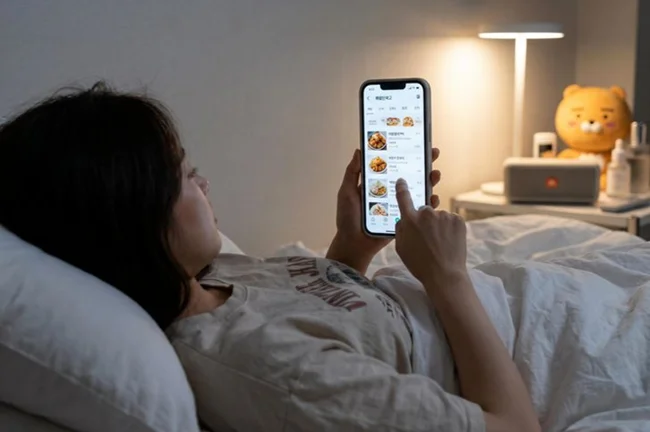
Just like actual online marketplaces, dopamine sites feature hundreds of products, detailed reviews, ratings, filters, and promotions. You can add products to your shopping cart, fill in your delivery address and click the ‘order’ button. And that’s where the fun begins.
An app shows a courier accepting your order and heading to your address, and you can track their progress on the map in real time. In the end, nothing is delivered and, most importantly, no money is ever debited from your credit card.
According to many young users, the complex experience provided by these fake shopping apps is almost identical to that of a real order. It includes excitement, anticipation, and a slight surge of dopamine, even though you’re always aware that you’re not really purchasing anything.
For many South Korean youths, using dopamine sites has become a real-life hack in the face of the high cost of living and the constant temptation of advertising. The real benefit is savings, but with the added psychological satisfaction of going through the addictive shopping experience.
For now, dopamine sites have only found an audience in South Korea, and judging by the comments on popular social media platforms like Reddit, they may never take off in the West. People just don’t seem to be interested in “wasting their time” with fake shopping apps, and some experts warn that while dopamine sites can help people save money, they also reinforce the same behavioral patterns that make online shopping addictive, even if no money changes hands.