
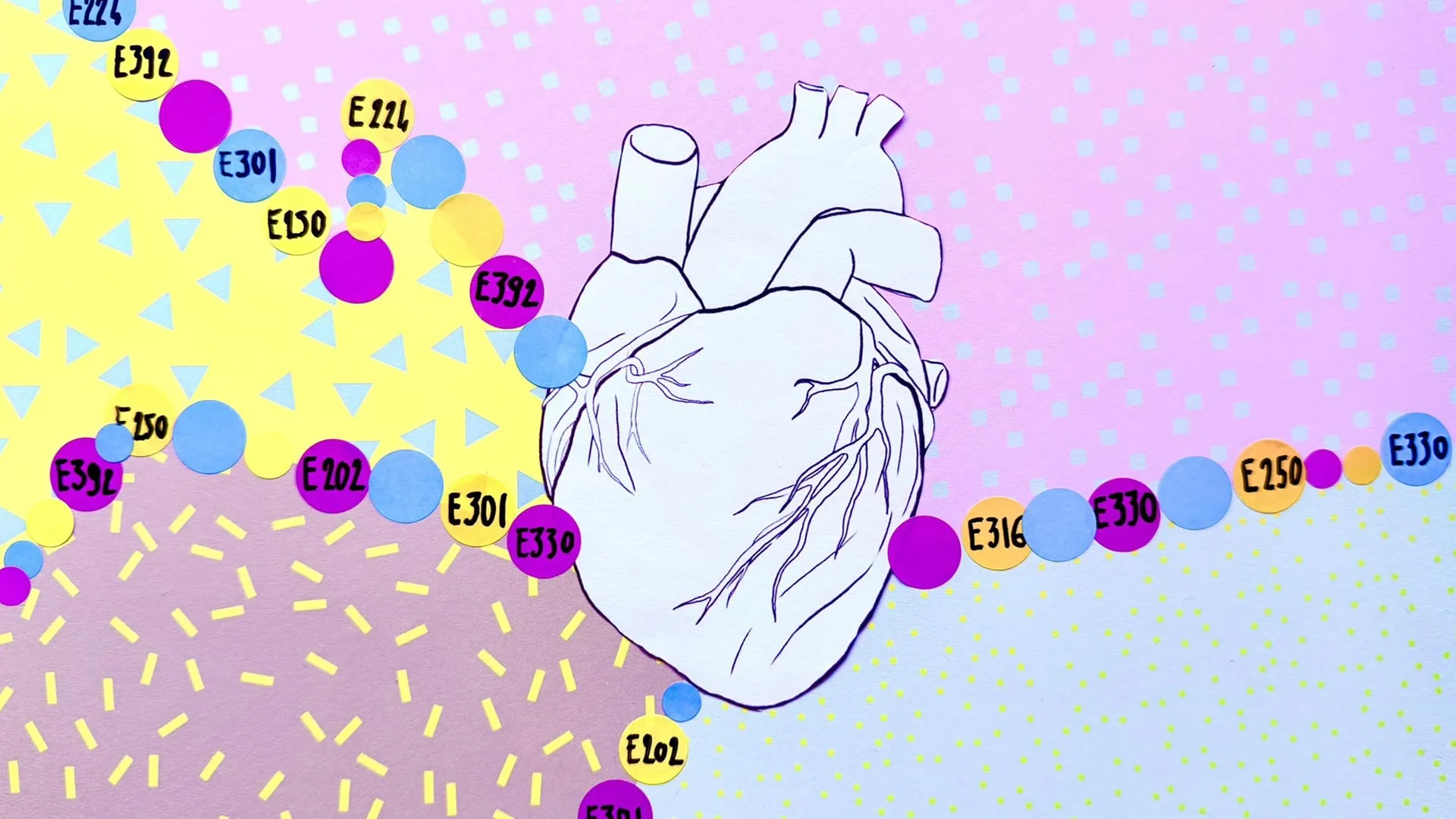
A massive study suggests that some common food preservatives may be putting heart health at risk.
- A major study of 112,395 people tracked diets in remarkable detail, including the specific food additives participants consumed.
- Researchers identified eight commonly used food preservatives that were linked to a higher risk of high blood pressure or cardiovascular disease.
- The strongest associations were seen in people who consumed the largest amounts of preservatives, suggesting that greater exposure may carry greater health risks.
People who regularly consume foods containing common preservatives may face a greater risk of developing high blood pressure and cardiovascular disease, according to a new study published in the European Heart Journal.
The research was led by Dr. Mathilde Touvier, research director at INSERM (the French National Institute for Health and Medical Research), and Anaïs Hasenböhler, a PhD student. Both are members of the Nutritional Epidemiology Research Team at Université Sorbonne Paris Nord and Université Paris Cité in France.
Large Study Examined Food Preservatives and Heart Health
Food preservatives are widely used in industrially processed foods to extend shelf life and maintain product quality. Although previous laboratory and experimental studies have suggested that some of these additives could affect cardiovascular health, evidence from human populations has been limited.
Ms Hasenböhler said: "Food preservatives are used in hundreds of thousands of industrially processed foods. Experimental studies suggest that some preservative food additives may be harmful to cardiovascular health, but we have not had enough evidence on the impact of these ingredients in humans. As far as we know, this is the first study of its kind to investigate the links between a wide range of preservatives and cardiovascular health."
The investigation was conducted as part of the ongoing NutriNet-Santé study and included 112,395 volunteers from across France. Participants reported everything they ate and drank over three-day periods every six months.
Researchers then performed detailed assessments of the ingredients in those foods and beverages, including preservative additives. Participants' health was monitored for an average of seven to eight years to determine whether they developed high blood pressure or cardiovascular disease.
Nearly all participants were exposed to preservatives. Within the first two years of the study, 99.5% had consumed at least one food preservative.
Higher Preservative Intake Linked to Greater Health Risks
The analysis found that participants who consumed the highest amounts of non-antioxidant preservatives had a 29% greater risk of hypertension compared with those who consumed the least. They also had a 16% higher risk of cardiovascular disease, including heart attack, stroke, and angina.
People with the highest intake of antioxidant preservatives showed a 22% greater risk of hypertension.
Non-antioxidant preservatives are used to prevent the growth of microbes such as mold and bacteria. Antioxidant preservatives serve a different purpose, helping to prevent oxidation so foods do not become brown or rancid.
Eight Preservatives Associated With High Blood Pressure
Researchers also examined 17 of the most commonly consumed preservatives individually. Eight were specifically associated with a higher risk of high blood pressure:
- potassium sorbate (E202)
- potassium metabisulphite (E224)
- sodium nitrite (E250)
- ascorbic acid (E300)
- sodium ascorbate (E301)
- sodium erythorbate (E316)
- citric acid (E330)
- extracts of rosemary (E392)
Among these additives, ascorbic acid (E300) was also specifically linked to cardiovascular disease.
Researchers Call for Further Evaluation
Dr. Touvier added: "This study has some limitations inherent to its observational design. However, the findings are based on highly detailed data, and we have taken account of other factors that can increase or lower the risk of cardiovascular disease. Experimental research in the literature consistently suggested that preservatives may cause oxidative stress in the body or affect the way the pancreas works.
"These results suggest we need a re-evaluation of the risks and benefits of these food additives by the authorities in charge, such as the EFSA in Europe and the FDA in the USA, for better consumer protection. In the meantime, these findings support existing recommendations to favor non-processed and minimally processed foods, and avoid unnecessary additives. Doctors and other healthcare professionals play a key role in explaining these recommendations to the public."
The research team is continuing to investigate how food additives and ultra-processed foods influence inflammation, oxidative stress, blood metabolic markers, and the composition of the gut microbiota. These studies may help explain the biological mechanisms that could connect food additives to an increased risk of disease.