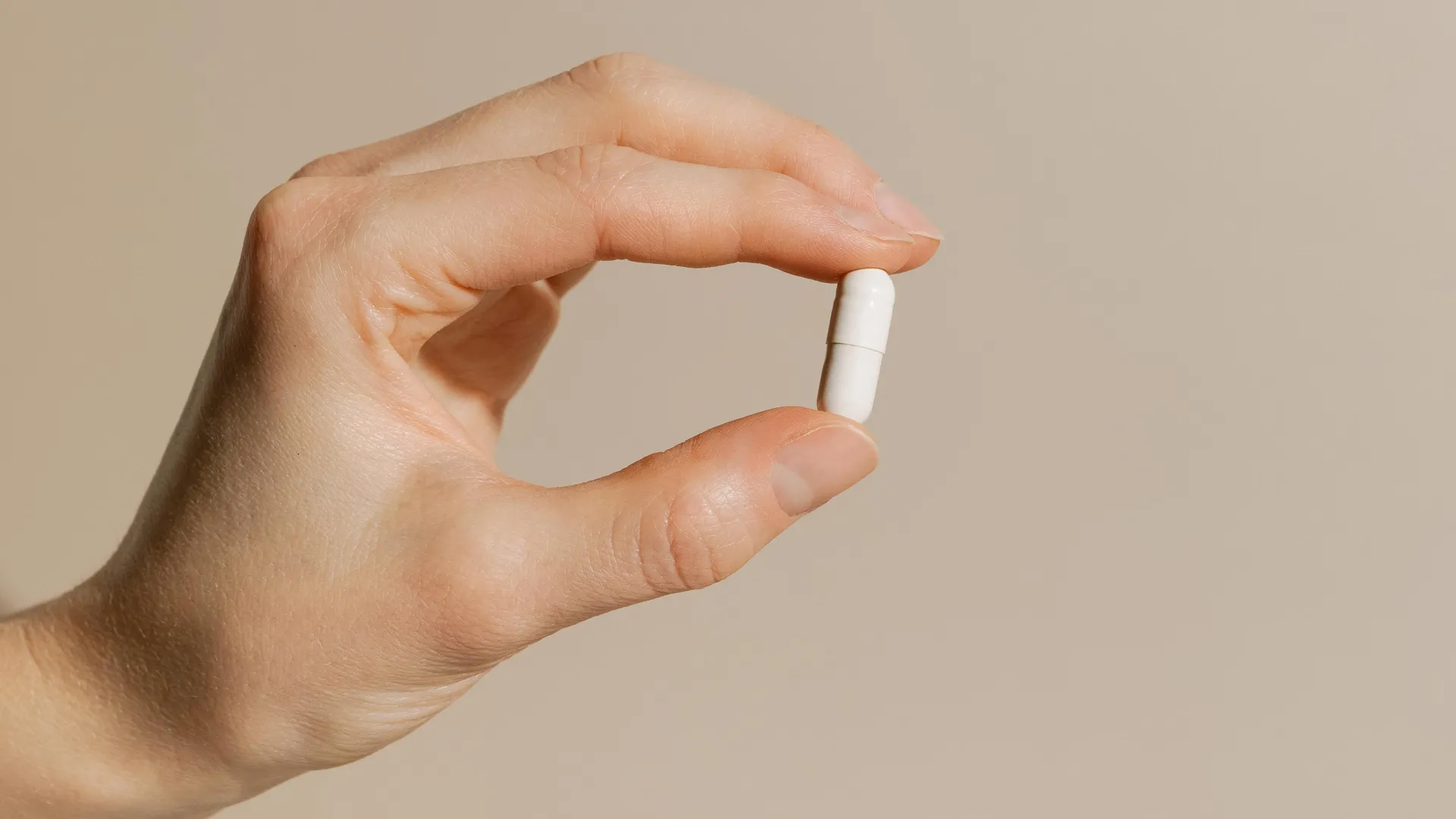
A placebo, or fake supplement, may offer real benefits for older adults, according to new research from psychologists at the Università Cattolica in Milan. After taking placebo pills for three weeks, participants showed improvements in both physical performance and cognitive function. Surprisingly, the benefits were seen even when participants knew the pills contained no active ingredients.
The study, published in the International Journal of Clinical and Health Psychology, was led by Diletta Barbiani, Alessandro Antonietti, and Francesco Pagnini. It was supported by PNRR grants through the Age-IT project.
"The study is part of an established line of research in which we analyze the role of the mind in aging processes, which is very important," says Pagnini, Full Professor of Clinical Psychology at the Faculty of Psychology of the Università Cattolica.
Testing the Placebo Effect in Healthy Aging
Until now, no research had investigated whether a traditional placebo could influence abilities that naturally decline with age.
"Our goal," Professor Pagnini explains, "was to clarify whether an open-label placebo therapy (i.e., where the recipient is aware it is a placebo) or a fake supplement (people don't know it's a placebo) could influence psychological, cognitive, and physical functions in older adults living in the community."
To explore that question, the researchers recruited 90 healthy older adults and randomly assigned them to one of three groups. One group received no treatment at all. A second group received placebo pills but was told the pills contained active ingredients designed to improve well-being and physical function. The third group received the same inactive pills but was openly informed that the pills were placebos that could still trigger beneficial mind-body responses.
Before and after the three-week study, participants completed questionnaires (providing information on levels of perceived stress, psychological well-being, sleepiness, fatigue, optimism, self-efficacy, and stereotypes about aging). They also took objective tests measuring short-term memory, selective attention, and physical performance.
Memory, Stress, and Physical Performance Improved
After three weeks, the participants who knowingly took placebo pills experienced lower stress levels than both the deceptive placebo group and the control group. They also showed significant improvements in short-term memory compared with those who received no intervention.
Overall, both placebo groups experienced gains in cognitive and physical performance, although the strongest improvements were generally seen among participants who knew they were taking a placebo.
Physical performance increased by 7% in the deceptive placebo group and by 9.2% in the open-label placebo group. Cognitive performance also improved. Depending on the specific test, scores increased by between 12.6% and 14.6% among participants who believed they were taking a real supplement, while those who knowingly took a placebo improved by between 6.9% and 21.5%.
"These are significant effects," the psychologist emphasizes, "comparable to those seen in some experimental studies on physical activity regarding physical performance and cognitive training, especially with regard to memory."
Researchers also observed reductions in drowsiness. Stress levels improved most noticeably among participants who were aware they were taking a placebo.
A New Approach to Healthy Aging?
The findings suggest that placebo treatments can improve several aspects of functioning in older adults, with open-label placebos performing as well as, or in some cases better than, deceptive placebos.
According to the researchers, this makes open-label placebos a promising and ethically acceptable strategy for supporting healthy aging.
Professor Pagnini says the results add to growing scientific evidence that the mind plays an important role in the aging process. Thoughts, emotions, and self-perception may influence not only psychological well-being but also physical abilities and cognitive function, highlighting the powerful connection between the mind and the body.