
sciencedaily.com

Could plastic in your food be fueling Azheimer’s?
Micro- and nanoplastics prevalent in the environment routinely enter the human body through water we ...View More

Doctors warn of a stealth opioid 20x more potent than fentanyl
Nitazenes -- a class of highly potent synthetic opioids -- are rapidly emerging as a major contribut ...View More

The hidden group that loses COVID protection fast
Two healthcare workers get COVID-19 vaccinations on the same day. Both show strong antibody response ...View More
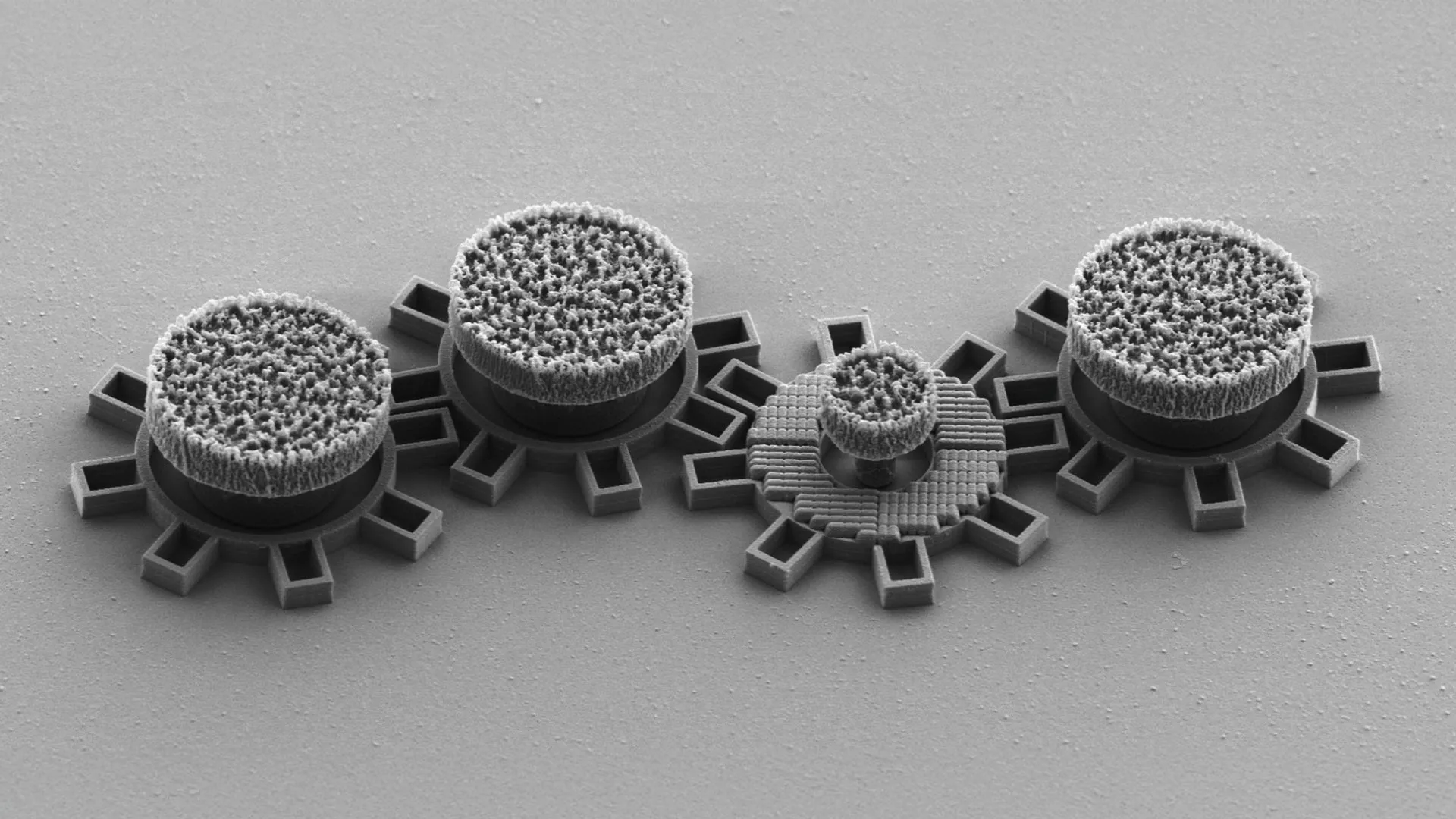
Scientists build micromotors smaller than a human hair
Researchers at the University of Gothenburg have made light-powered gears on a micrometer scale. Thi ...View More
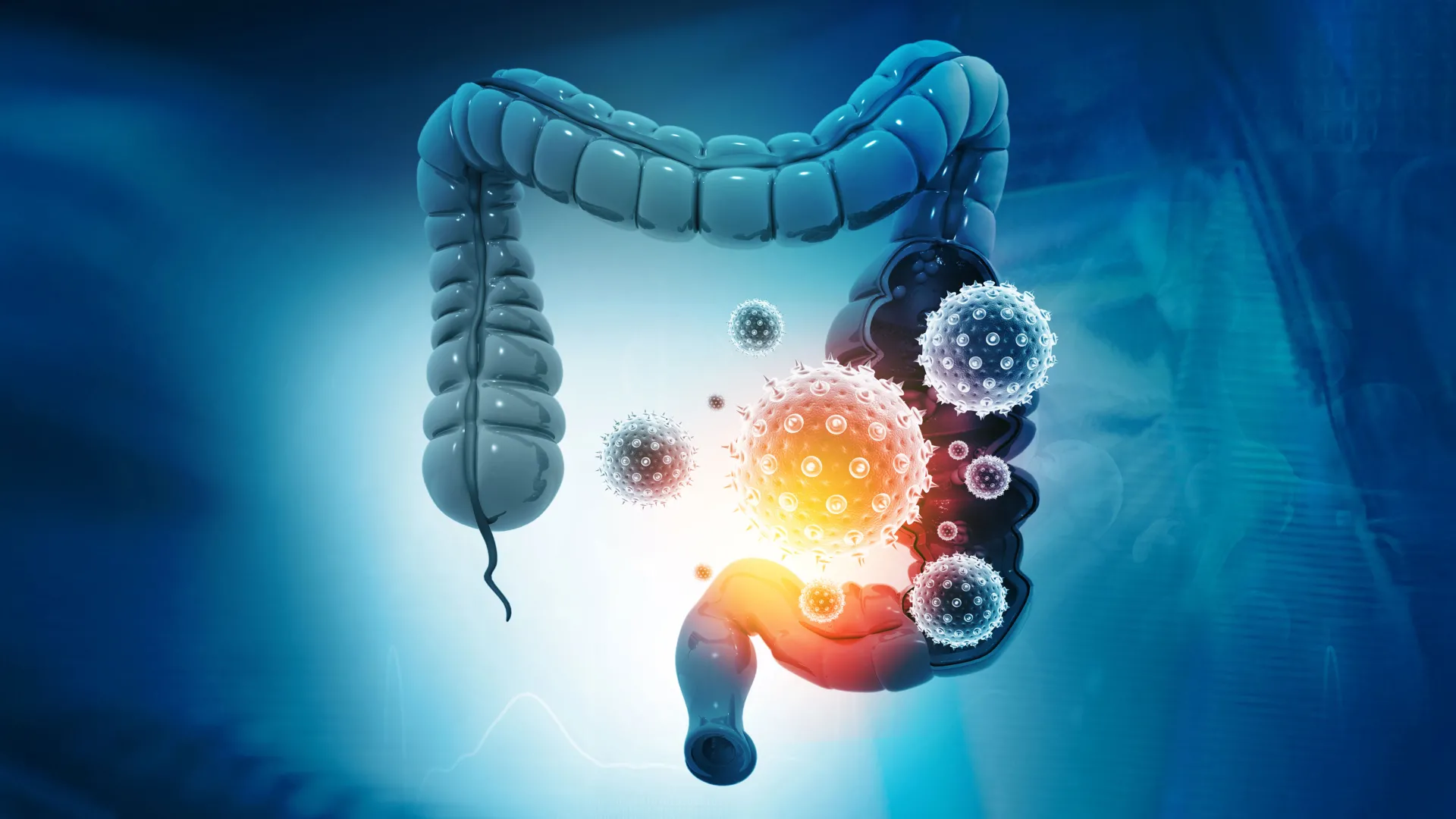
Goodbye colonoscopy? Simple stool test detects 90% of colorectal cancers
Colorectal cancer is the second leading cause of cancer death worldwide. If detected early, it can b ...View More

Rogue DNA rings may be the secret spark driving deadly brain cancer
An international team of scientists has revealed how rogue rings of DNA that float outside of our ch ...View More
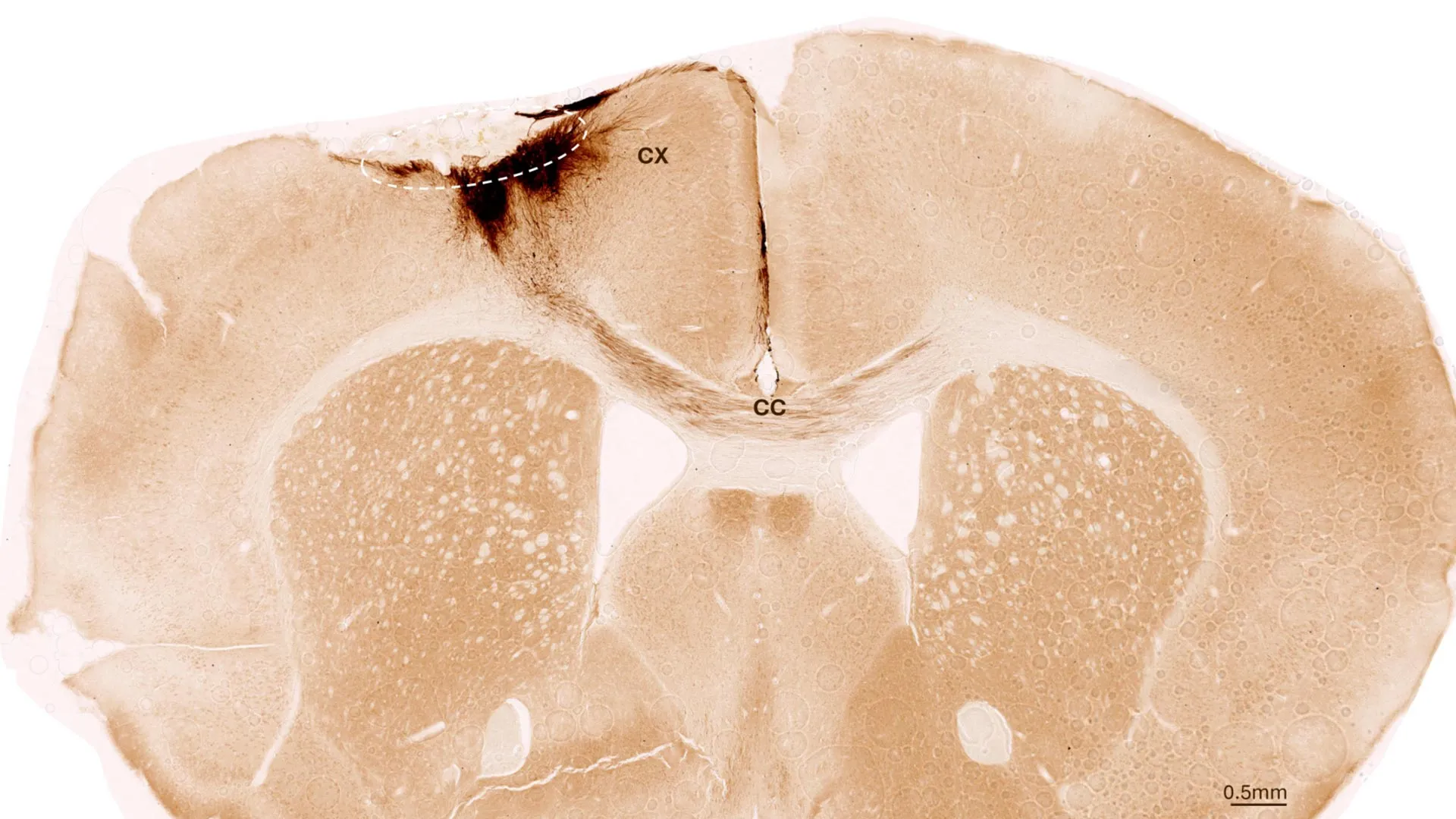
Scientists reverse stroke damage with stem cells
Stem cell transplantation can reverse stroke damage, researchers at the University of Zurich report. ...View More
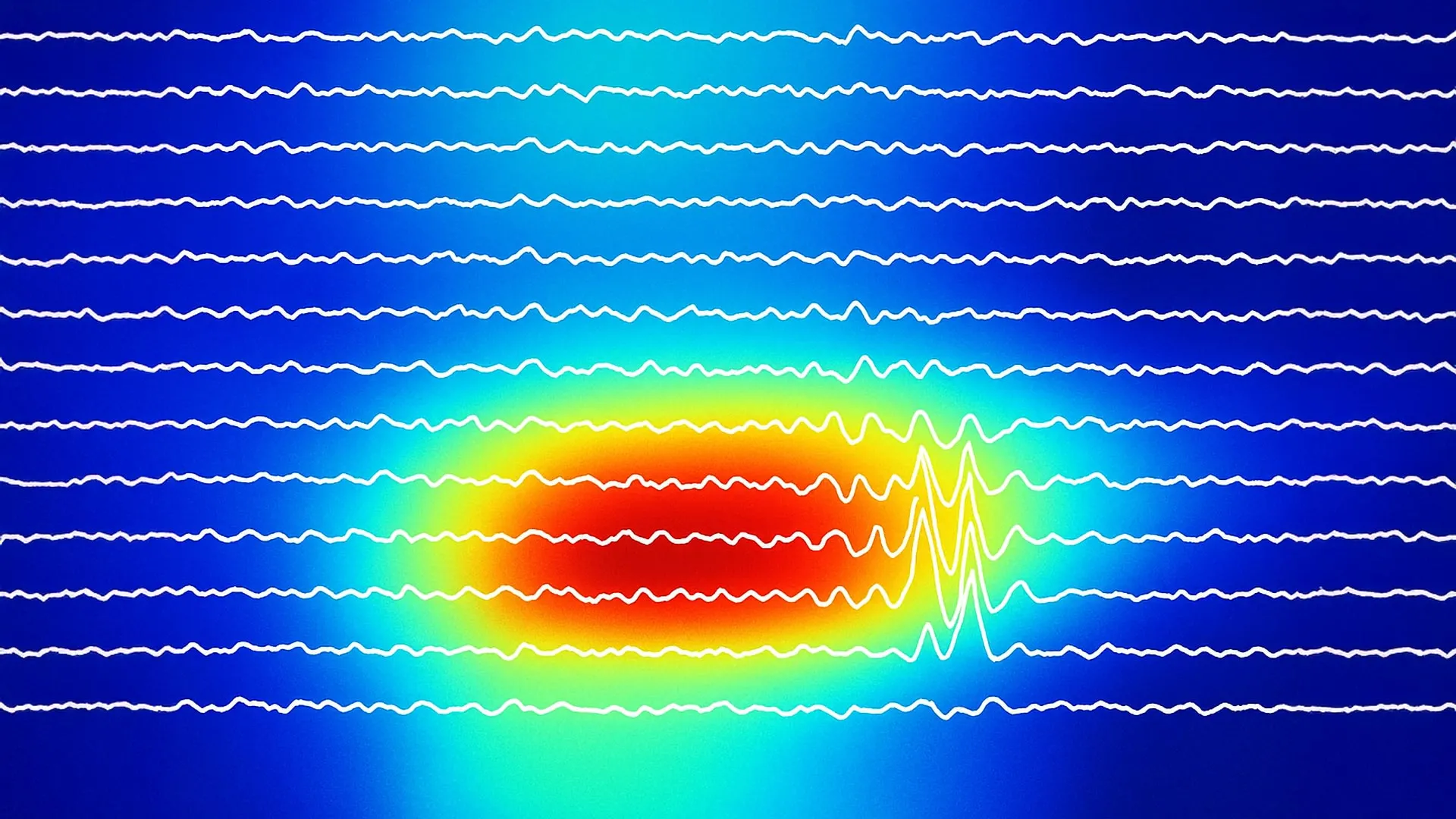
Brain rhythms reveal a secret switch between old memories and new adventures
When we recall something familiar or explore a new situation, the brain does not always use the same ...View More

Semaglutide may silence the food noise in your head
New research being presented at the Annual Meeting of the European Association for the Study of Diab ...View More

Why so many young kids with ADHD are getting the wrong treatment
Young children with attention deficit/hyperactivity disorder often receive medication just after bei ...View More