
sciencedaily.com

Scientists reveal how breakfast timing may predict how long you live
As we age, what and how much we eat tends to change. However, how meal timing relates to our health ...View More

Fossil reveals a 310-million-year-old fish that ate with a hidden second jaw
Experts have uncovered the earliest known example of a fish with extra teeth deep inside its mouth – ...View More

NASA finds Titan’s alien lakes may be creating primitive cells
NASA research has shown that cell-like compartments called vesicles could form naturally in the lake ...View More

Scientists uncover wildfire paradox that’s putting 440 million people in danger
Researchers at the University of California, Irvine and other institutions have spotted a contradict ...View More
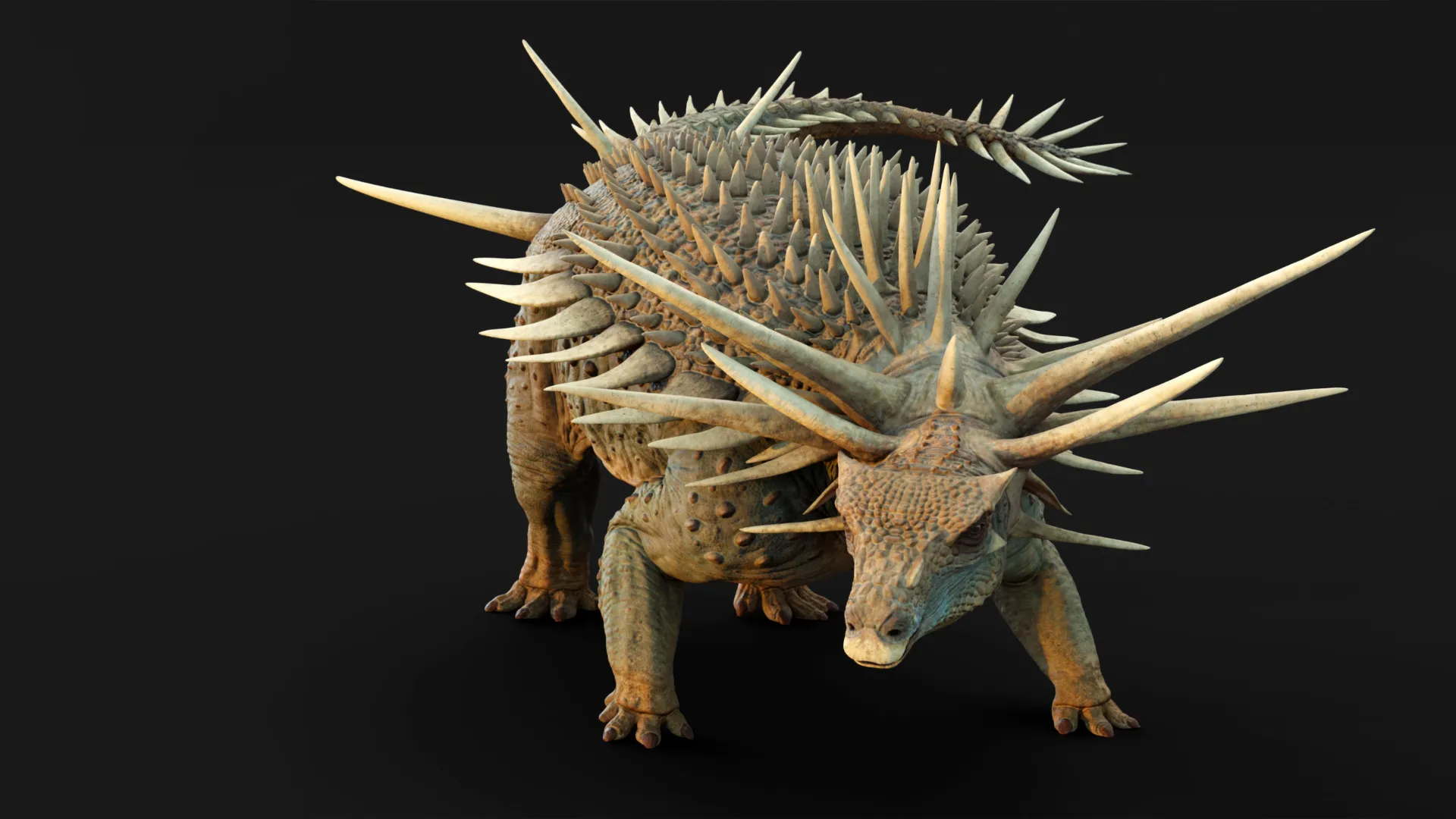
Bizarre ankylosaur with giant neck spikes redefines dinosaur evolution
The world's most unusual dinosaur is even stranger than first realized... Research published in Natu ...View More
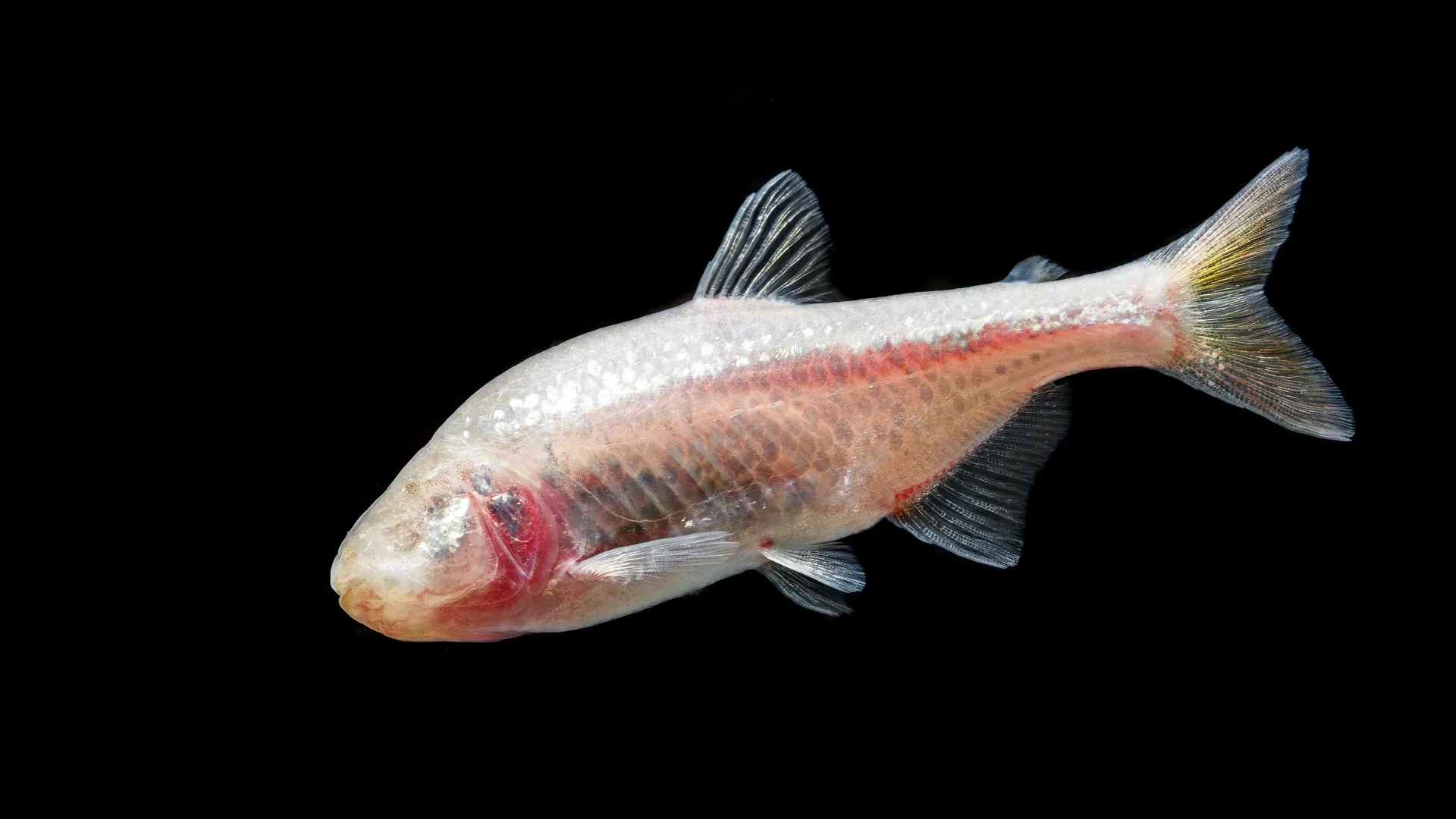
In the dark for 11 million years: How blind cavefish rewrote evolution
Small, colorless, and blind, amblyopsid cavefishes inhabit subterranean waters throughout the easter ...View More
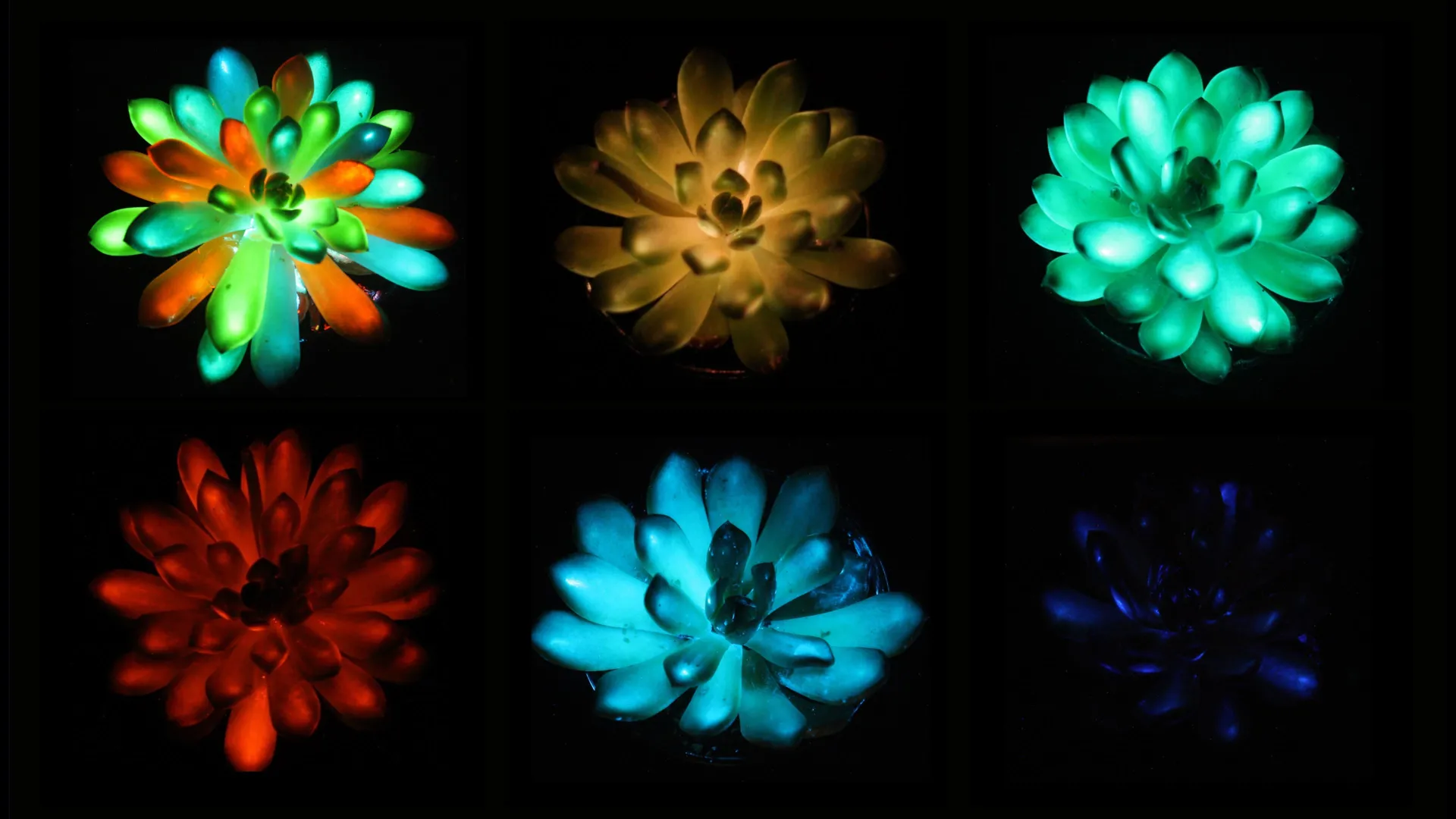
Living night lights: Succulents that store sunlight and shine for hours
From mushrooms that cast a soft green glow to plankton that glimmers sparkling blue, glowing plants ...View More
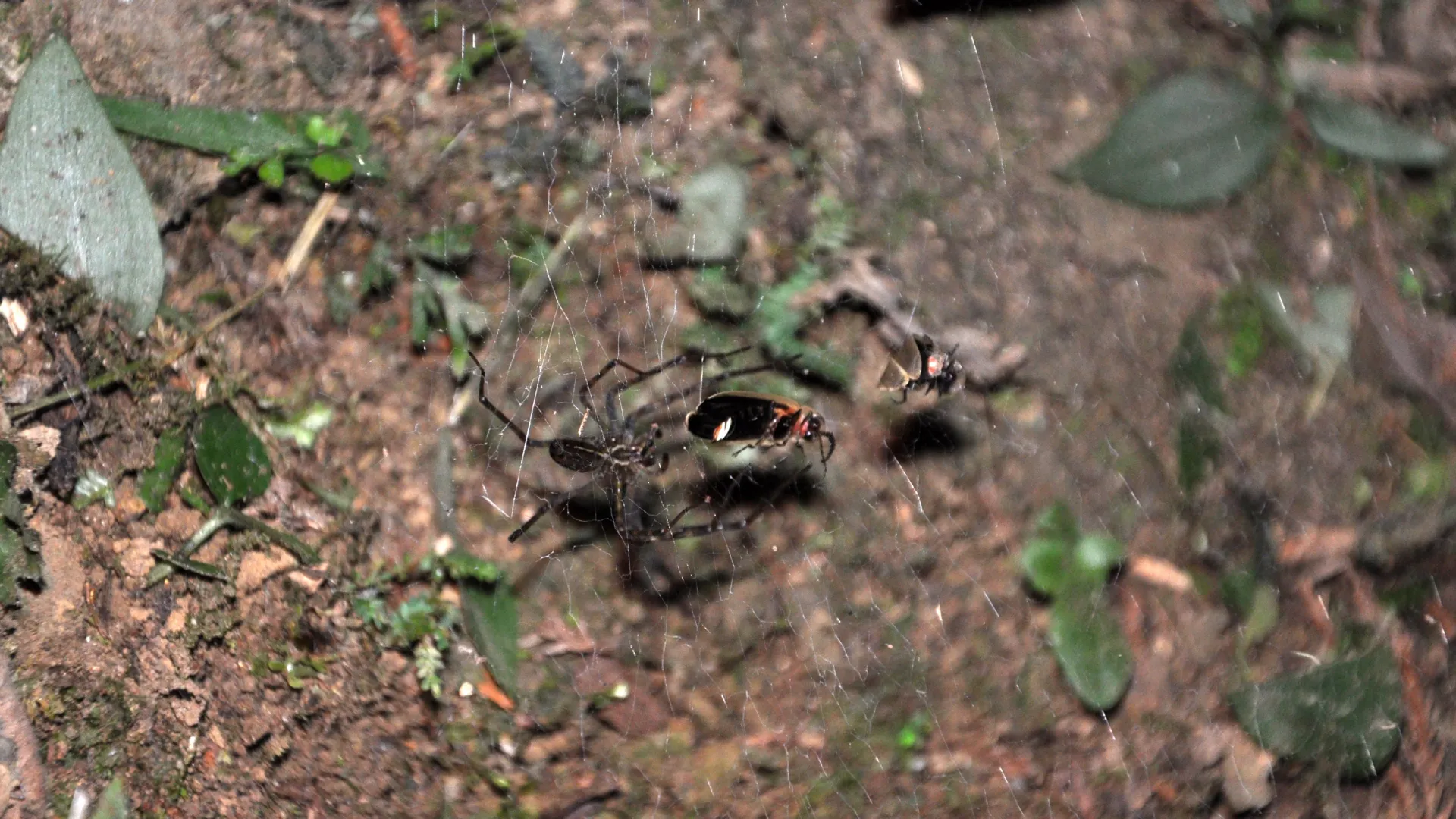
Spiders turn fireflies into glowing traps
Ecologists have observed a species of nocturnal spider attracting prey to its web using the biolumin ...View More
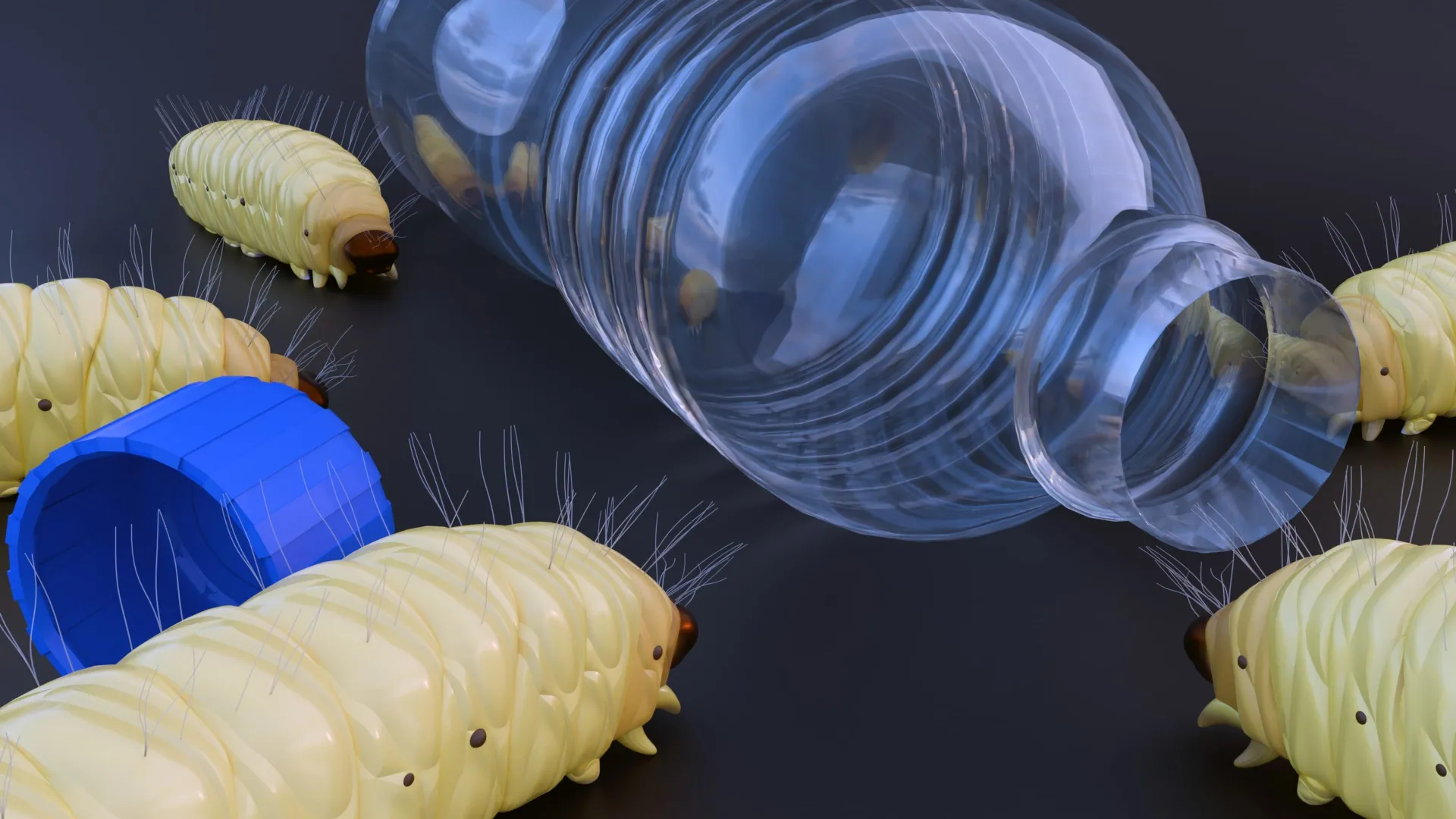
These “plastivore” caterpillars can devour a plastic bag in just 24 hours
Plastics play a fundamental role in modern life, but their resistance to biodegradation makes t ...View More

Sharks’ teeth are crumbling in acid seas
Sharks can famously replace their teeth, with new ones always growing as they’re using up the curren ...View More